Lawn
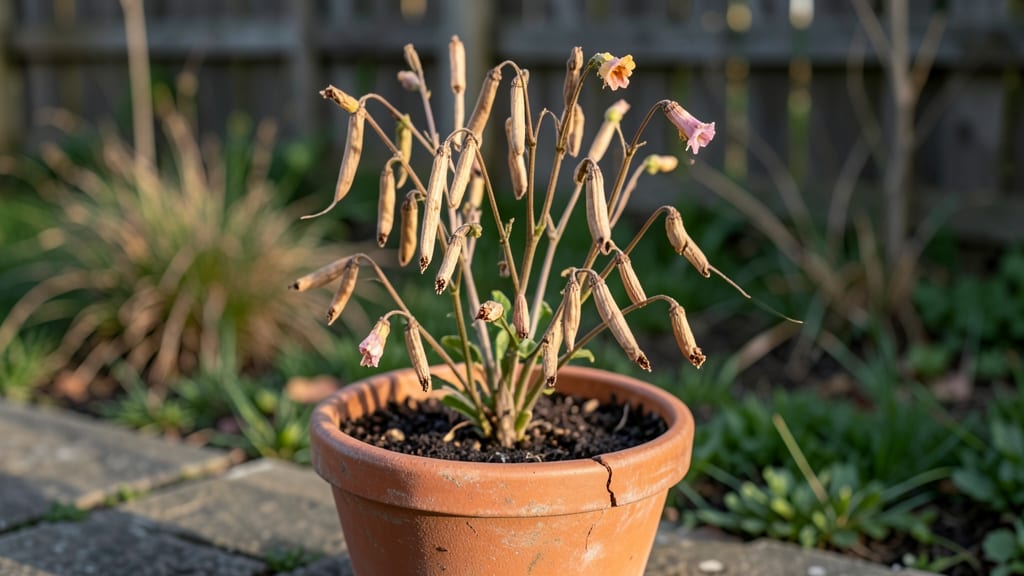
Snapdragon seed pods open on their own when fully dry—no tools needed. 🌿 I’ve watched them split like tiny fireworks, releasing seeds with a satisfying pop that’s half the fun. The key is knowing exactly when to harvest and how to preserve them for next season’s garden or creative projects.
Start by identifying mature pods—they turn from green to tan and feel papery when gently squeezed. Hang them upside down in a dry, well-ventilated spot (like a mesh bag) for 2-3 weeks until they open naturally.
Avoid humidity or they’ll mold before drying. Store the seeds in labeled envelopes in a cool, dark place for up to 2 years.
Once dried, you’ll have seeds ready for replanting or unique crafts like pressed arrangements or homemade confetti. The pods themselves can add texture to dried floral displays—just let them open naturally for a whimsical touch.
This method works best in late summer to early fall, when pods mature after blooming.
Troubleshooting tip: If pods dry too fast, they may shatter before opening. Slow down drying by moving them to a shadier spot. For slow dryers, a paper bag with ventilation holes helps trap moisture just enough to encourage that satisfying pop.
📚 In This Guide
- What you need
- Instructions
- Tips and common mistakes
- Wrapping up and next steps
What you need
- ● Mature dried snapdragon seed pods – Collect 10–20 pods (or more if experimenting in bulk). Ensure they’re fully dried and brownish-gray in color.
- ● Pruning shears or sharp scissors – For trimming stems if pods are still attached to plants.
- ● Paper towels or parchment paper – A flat, clean surface to lay out pods while extracting seeds.
- ● Small bowl or container – To collect seeds (a 4–6 oz size works perfectly).
- ● Magnifying glass – For admiring the intricate seed structures up close!
- ● Ruler or measuring tape – To track pod lengths (average: 1–2 inches when dried).
- ● Glass jar with lid – For long-term seed storage (add a silica gel packet to keep them dry).
- ● Camera or phone – Capture the popping action for fun or educational purposes!
How to extract seeds from dried snapdragon pods
Snapdragons offer a magical way to collect seeds—just wait for the pods to open naturally and shake out the treasure.
🌿 Step 1: Harvest Mature Seed Pods
Wait until the pods turn from green to tan or light brown—this signals full maturity. Gently twist each pod at the base to remove it from the stem without damaging the delicate structure. Place them in a paper bag or on a clean, dry surface to prevent moisture buildup, which can cause premature mold.
Here's the thing—don't rush this step. If pods are still green, they won't open properly, and seeds inside may not be viable. A light tap should reveal a hollow sound when fully dry. I like to harvest on a sunny morning when humidity is low, as this helps pods dry faster.
⏰ Step 2: Allow Pods to Dry and Open Naturally
Leave the pods in a warm, dry location for 7-10 days, away from direct sunlight. Snapdragons have a fascinating mechanism where pods twist and pop open when completely dry. You'll hear a distinct snap or see them split along their seams—this is your cue that seeds are ready.
If your climate stays humid, speed up drying by placing pods in a mesh bag and suspending it in a well-ventilated area. Avoid heat sources like radiators, as excessive warmth can scorch the pods before they open. Watch for the characteristic popping sound—that's the moment you've been waiting for.
💧 Step 3: Shake Out Seeds Gently
Once pods have opened, hold one over a clean, white bowl or piece of paper and give it a firm but gentle shake. Seeds will rain down while empty pod husks remain behind. Repeat with all pods, working in small batches to avoid losing seeds in the process.
Don't skip this step—seeds are tiny and can scatter easily. I use a fine-mesh strainer to catch any stragglers that might cling to the pod remnants. Store collected seeds in a paper envelope labeled with the variety and date, keeping them in a cool, dark place until planting time.
🌱 Step 4: Clean and Store Seeds Properly
Remove any remaining pod debris by sifting seeds through a fine mesh strainer under running water. Let them air-dry completely on paper towels for 24 hours before storing. This prevents moisture-related rot during storage.
Here's what I do next: I place the dried seeds in a sealed envelope with a silica gel packet to absorb any lingering moisture. Label it with the variety name and harvest date—this helps track seed viability over time. Stored properly, snapdragon seeds remain viable for 2-3 years, though germination rates decline after the first year.
☀️ Step 5: Test Seed Viability Before Planting
Before committing to a full planting, perform a quick viability test. Place 10 seeds between damp paper towels in a sealed plastic bag and keep them in a warm location (70-75°F). Check for sprouts in 7-14 days—if at least 50% germinate, your seeds are ready for the garden.
If germination is poor, try stratifying seeds by mixing them with damp sand and refrigerating for 4 weeks before testing again. Snapdragons often need this cold treatment to break dormancy. Real talk: sometimes seeds just need a little extra encouragement to wake up.
Tips & tricks for perfect snapdragon seed extraction
These insider tricks will help you maximize seed yield and preserve viability every time.
Maturity Matters: The color shift from green to tan or light brown is your first clue, but don't rely on it alone. Give pods the "hollow tap test"—a mature pod will sound hollow when tapped gently. This is especially important if your growing season was unusually wet, as pods may appear dry but still contain immature seeds. Harvest on a sunny morning when humidity is naturally low to accelerate drying.
Drying Strategy: While the 7-10 day drying period in Step 2 is ideal, I've found that suspending pods in a mesh bag creates better airflow than leaving them on a surface. Place the bag in a spot with indirect sunlight and moderate warmth—think 70-75°F, not the scorching heat near a radiator. The characteristic popping sound is your golden cue, but if you're impatient, check for slight seam separation after 5 days in humid climates.
Seed Collection Technique: That firm but gentle shake in Step 3 is crucial—too gentle and seeds won't release, too firm and you'll crush them. I've perfected this by using a small paintbrush to coax out stubborn seeds from pod remnants. For large batches, work over a baking sheet lined with parchment paper to contain any scattered seeds. The fine-mesh strainer isn't just for cleanup—it helps separate viable seeds from chaff during the cleaning process.
Storage Wisdom: The 24-hour air-drying period before final storage is non-negotiable for preventing mold. I've learned this the hard way after storing damp seeds that developed fuzzy growth within days. For long-term storage beyond 2 years, consider vacuum-sealing envelopes to extend viability. The silica gel packet is optional but makes a noticeable difference in maintaining seed quality—especially in humid climates.
Pro Tips for Dried Snapdragon Seed Pods
- These insider tricks will help you maximize seed yield and preserve viability every time.
- Maturity Matters: The color shift from green to tan or light brown is your first clue, but don't rely on it alone.
- Drying Strategy: While the 7-10 day drying period in Step 2 is ideal, I've found that suspending pods in a mesh bag creates better airflow than leaving them on a surface.
Frequently asked questions
about dried snapdragon seed pods—because every gardener deserves a little clarity!How do I know when snapdragon seed pods are fully dried and ready for harvesting?
Snapdragon seed pods are ready when they turn brown and papery, with a slight crinkly texture. Give them a gentle squeeze—if they pop open easily, they’re perfect! Harvest them in the morning when moisture levels are lowest to avoid humidity-related issues.
Why won’t my snapdragon seed pods pop open naturally?
If pods refuse to open, they may still be too moist. Try these fixes:
- Hang them upside down in a well-ventilated area for 1–2 weeks.
- Place them in a paper bag with a few silica gel packets to absorb excess moisture.
- Check for pests (like aphids) that could block the pod’s mechanism.
Can I use dried snapdragon seed pods for anything other than planting?
Beyond seeds, these pods are garden decor gold:
- Dried arrangements: Hang them in bundles for rustic centerpieces.
- Crafts: Use as natural confetti or fill ornaments for winter.
- Tea blends: Some herbalists use organic, pesticide-free pods in calming teas (though taste varies!).
What’s the best way to store dried snapdragon seed pods long-term?
Store pods in a cool, dark place (like a glass jar or paper envelope) with a desiccant packet to prevent moisture. Label with the harvest date—viability lasts 1–2 years if kept dry. Avoid plastic, which traps humidity!
Are there alternatives if I can’t grow snapdragons for seed pods?
Yes! Try these pop-open pod plants for similar mechanics:
- Lupines – Dramatic pods with spring-loaded seeds.
- Delphiniums – Tall stems with explosive seed release.
- Sweet peas – Sweet-smelling and easy to dry.
Wrapping up and next steps
Dried snapdragon seed pods offer a simple, eco-friendly way to extract seeds effortlessly—no tools required! Their natural pop-open mechanism makes them perfect for gardeners, crafters, or anyone looking to add a touch of whimsy to their projects.
Whether you’re saving seeds for next season or creating DIY decorations, these pods are a fun and sustainable choice.
Ready to give it a try? Grab some pods, follow the steps, and enjoy the magic of nature’s design! 🌱✨