Lawn
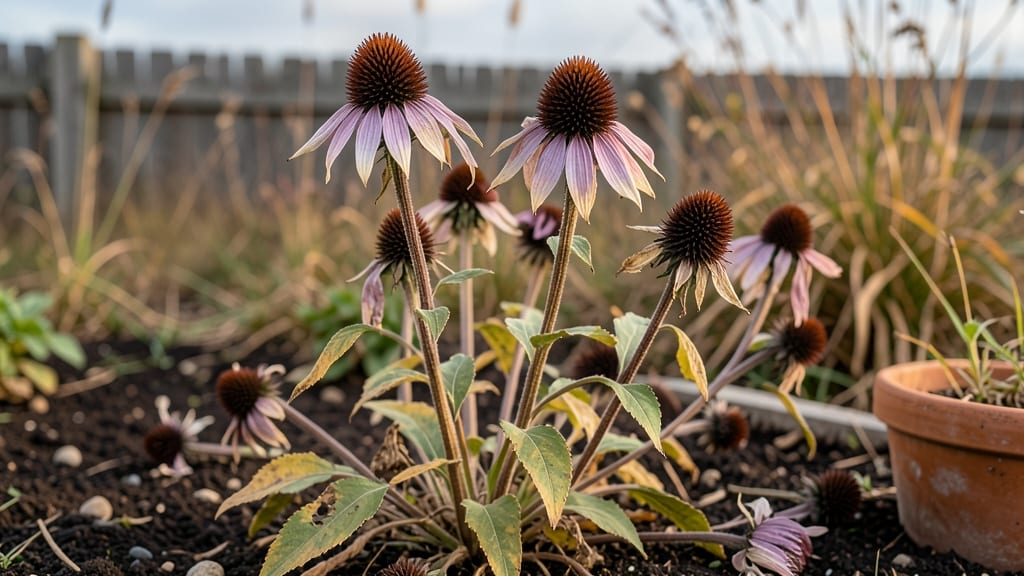
Those dried echinacea seed heads transform your garden from summer to winter. ✨ I've turned my late-season blooms into everything from bird feeders to rustic centerpieces—here's how to dry them properly for seeds or crafts without losing their charm.
Harvest when the petals fall naturally and the seed cones turn tan-brown. Bundle stems and hang upside down in a dry, dark spot for 2-3 weeks. The seeds stay viable for years if stored in a cool, dry place, while the dried heads keep their structure for winter arrangements.
You'll end up with two gifts: fresh seeds for next year's garden and natural decor that lasts months. The dried cones also attract birds, giving your winter garden life and purpose. Works for both gardeners and crafters—here's how to make the most of every seed head.
📚 In This Guide
- What you need
- Instructions
- Tips and common mistakes
- Wrapping up and next steps
What you need
- ● Mature echinacea seed heads: Wait until the cones turn brownish and the petals fall off naturally (late summer to early fall). Harvest 10–20 heads for a good yield.
- ● Sharp pruning shears or scissors: Clean, sterilized tools to avoid damaging stems or spreading disease.
- ● Paper bags (brown kraft, 1 per 5–10 seed heads): Poke small holes in the bottom for airflow.
- ● Drying surface: A well-ventilated area like a mesh screen, drying rack, or even a hanging paper bag (tie with twine).
- ○ Twine or rubber bands: To bundle stems for hanging (optional for crafts).
- ● Seed-saving envelope: A moisture-proof paper envelope (like Amanuensis or Seed Saver brand) to store dried seeds.
- ● Label markers & tags: To note the variety and harvest date (e.g., “Echinacea ‘Hot Papaya’ – 2024”).
- ● Glue or floral wire: For attaching seed heads to wreaths or dried arrangements.
- ● Desiccant packets: Place in storage containers to prevent humidity (great for long-term seed viability).
How to dry echinacea seed heads for seeds and crafts
Turn your spent echinacea blooms into both next year's plants and beautiful winter decor with these simple steps.
🌿 Step 1: Harvest Seed Heads at the Right Time
Wait until the flower heads have completely dried on the plant—when the petals fall away naturally and the cone-shaped centers turn a deep brown. This usually happens in late summer to early fall. Use clean, sharp scissors to snip the stems about 2 inches below the seed head.
Harvest on a dry morning after any morning dew has evaporated. Wet seed heads take much longer to dry properly and may develop mold. Place them immediately in a paper bag (not plastic) with a few air holes punched in it. This prevents moisture buildup while allowing airflow.
💧 Step 2: Dry the Seed Heads Properly
Find a warm, dry location with good air circulation—like a sunny windowsill or a well-ventilated room. Keep them out of direct sunlight to prevent fading or cracking. You'll see the seed heads dry in 2-4 weeks, when the centers become crisp and papery to the touch.
Gently shake the dried heads occasionally to release any seeds that may have already matured. If you notice any mold or soft spots developing, move them to a drier location immediately. Properly dried seed heads will feel light in your hand and rattle when shaken.
✂️ Step 3: Process for Seeds or Crafts
For seeds, open the dried seed heads and gently rub the cones between your fingers to release the small, dark seeds. Store them in a cool, dry place in a sealed container. These seeds can be planted in spring for next year's echinacea blooms. They'll need 6-8 weeks of cold stratification before planting.
For crafts, leave the seed heads intact. You can use them in dried flower arrangements, wreaths, or potpourri. To preserve their color, store them in a dry place away from direct sunlight. If you plan to paint or dye them, do so before storing to prevent color fading over time.
🪴 Step 4: Store for Future Use
Keep dried seed heads in a breathable container like a mesh bag or a cardboard box with ventilation holes. Avoid plastic containers, as they trap moisture and encourage mold growth. Store in a cool, dark place like a closet or pantry until you're ready to use them.
Check your stored seed heads periodically for any signs of pests or moisture. If you notice any issues, transfer them to a new container immediately. Properly stored seed heads can remain viable for crafts for 1-2 years, while seeds typically retain their viability for 2-3 years.
Tips & tricks for perfectly dried echinacea seed heads
These simple tricks will help you transform your spent echinacea blooms into both next year's garden plants and beautiful winter decorations.
Timing Tip: Harvesting at the right moment is everything. Look for seed heads where the petals have completely fallen away and the center has turned deep brown—this usually happens in late summer. If you harvest too early, the seeds won't be fully mature, and if you wait too long, they might scatter on their own. I always check for this natural drying process before cutting, and it makes all the difference in seed viability.
Airflow Secret: That paper bag with air holes isn't just a suggestion—it's crucial! The holes allow moisture to escape while preventing mold growth. I've made the mistake of using plastic bags before, and trust me, you'll end up with moldy seed heads that are useless for both seeds and crafts. If you don't have paper bags, a mesh produce bag works just as well.
Drying Location: While a sunny windowsill seems like the obvious choice, direct sunlight can actually fade your seed heads and cause them to crack. Instead, find a warm spot with good air circulation—like near a vent or in a well-lit but indirect area. The drying process should take 2-4 weeks, and you'll know they're ready when they feel light and rattle when shaken. This crisp texture is what makes them perfect for both seeds and crafts.
Seed Release Technique: When it's time to process the dried seed heads, don't just shake them vigorously—this can damage the delicate seed cones. Instead, gently rub the cones between your fingers over a clean surface. You'll be amazed at how easily the seeds release when done this way. For extra efficiency, I like to place the dried heads in a paper bag and gently squeeze them—this catches all the seeds in one place.
Pro Tips for Echinacea Seed Heads
- These simple tricks will help you transform your spent echinacea blooms into both next year's garden plants and beautiful winter decorations.
- Timing Tip: Harvesting at the right moment is everything.
- Airflow Secret: That paper bag with air holes isn't just a suggestion—it's crucial!
Frequently asked questions
Got questions about harvesting, drying, or using echinacea seed heads?
Here are some of the most common ones—and their straightforward answers!
When is the best time to harvest echinacea seed heads?
Harvest seed heads in late summer to early fall (August–September), when the petals have dropped and the cone turns brown. Wait until the seeds rattle inside—this signals they’re fully mature and ready for drying. Pro tip: Harvest on a dry day to avoid moisture buildup.
How long does it take to dry echinacea seeds?
Drying takes 1–3 weeks, depending on your method. Use a well-ventilated, dry space (like a mesh bag in a cool, dark area) or a dehydrator at 95°F (35°C). Test for readiness: crush a seed—if it’s hard and doesn’t crumble, it’s dry! Troubleshooting: If mold appears, spread seeds on a tray in a dry spot.
Can I use dried echinacea seed heads for crafts instead of seeds?
Once dry, seed heads make stunning winter decorations, like wreaths, potpourri, or dried floral arrangements. Just remove any remaining petals or debris for a cleaner look. Bonus: Their rustic texture adds a natural, cottagecore vibe to DIY projects!
What if my echinacea seeds don’t seem viable?
Viability drops after 1–2 years, but you can test seeds by placing them in a glass of water—floaters are non-viable. If germination is low, try stratification (mix seeds with damp sand, refrigerate for 4 weeks, then plant). Alternative: Buy fresh seeds from a nursery for guaranteed growth.
Are echinacea seed heads harmful to bees or wildlife?
Not at all! Echinacea is pollinator-friendly, and seed heads provide food for birds and insects even after flowering. Leave some on plants for wildlife, but harvest only what you need. Eco-tip: Cut back dead stems in early spring to encourage new growth without disturbing habitats.
Wrapping up and next steps
Echinacea seed heads are a gardener’s hidden gem—packed with dual-purpose potential!
Whether you’re saving seeds for next year’s blooms or crafting rustic winter décor, these dried florets deliver effortless beauty and practicality. 🌿 With just a few simple steps, you can transform them into functional art or sustain your garden’s legacy.
Ready to dive in? Grab those seed heads and start your project today—your future garden (or holiday wreath) will thank you! 🎨✨