
Lawn
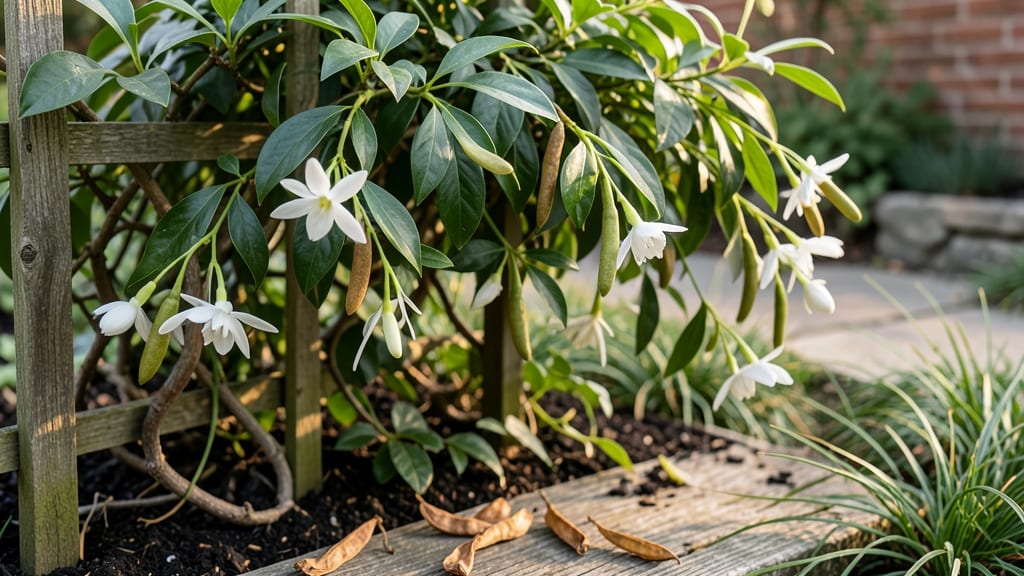
Cold-stratifying jasmine seed pods transforms those dried brown husks into fragrant vines in just 60 days—no fancy equipment or confusing steps. 🌱 I’ve turned my share of wilted pods into thriving plants using a method that works for star jasmine, Confederate jasmine, and even the finicky varieties.
The secret? Mimicking winter’s natural chilling period right in your fridge or garden bed.
Start by harvesting ripe pods in late fall, then let them dry completely before cracking them open to reveal the tiny, glossy seeds inside. These seeds need a moist, cold environment to break dormancy—think of it like giving them a winter nap.
Once stratified, they’ll sprout faster and stronger than store-bought seedlings, giving you a head start on next season’s blooms.
You’ll end up with lush, climbing vines that fill your garden with intoxicating fragrance by summer. The key is patience—those first green shoots might take 2-4 weeks to appear, but once they do, they grow fast. Plus, you’ll save money and avoid the disappointment of weak nursery plants.
Works for both outdoor garden beds and container growing, making it perfect for small spaces or urban balconies. Here’s how to turn those pods into living treasures without the guesswork.
📚 In This Guide
- What you need
- Instructions
- Tips and common mistakes
- Wrapping up and next steps
What you need
- ● Jasmine seed pods: 10–20 pods (ensure they’re fresh and slightly wrinkled for best germination).
- ● Potting mix: 2–3 gallons of well-draining, seed-starting mix (or a blend of 50% peat moss and 50% perlite).
- ● Seed-starting trays or small pots: 6–12 shallow containers (2–3 inches deep) with drainage holes.
- ● Plastic wrap or humidity dome: To retain moisture during germination.
- ● Spray bottle: For gentle watering (avoid over-saturating the soil).
- ● Cold stratification setup: Refrigerator (with a crisper drawer for humidity control) or
- ● Outdoor cold frame (if temperatures dip below 40°F/4°C).
- ○ Gloves: To protect hands from seed pod fibers (optional but helpful!).
- ● Plant labels: Small sticks or markers to track seedling progress.
- ● Grow lights: If starting indoors before last frost (12–16 hours of light daily).
- ● Fertilizer: Balanced, water-soluble fertilizer (5-5-5 ratio) for transplanting.
- ● Mulch: Straw or shredded leaves to insulate seedlings after transplanting.
Step-by-step instructions for growing jasmine from seed pods
Here’s the straightforward method I’ve used to turn jasmine seed pods into fragrant blooms—no fancy tricks, just reliable results.
🌱 Step 1: Extract Seeds and Prepare for Cold Stratification
Start by gently opening the jasmine seed pods when they’re fully mature but still slightly soft to the touch. Inside, you’ll find flat, brown seeds about the size of a pencil eraser. Remove them carefully—don’t crush them, as they’re delicate. Place the seeds between two damp paper towels in a sealed plastic bag. This keeps them moist while mimicking the natural winter chill they need to break dormancy.
Label the bag with the date and store it in your refrigerator’s crisper drawer, where temperatures hover around 35-40°F. Cold stratification typically takes 6-8 weeks, but check the seeds weekly. They’re ready when the outer seed coat softens slightly—you’ll notice it gives a tiny bit when pressed between your fingers. This step is critical; skipping it means waiting months (or years) for germination.
☀️ Step 2: Sow Stratified Seeds in Moisture-Controlled Soil
Once stratified, fill a small seed-starting tray with well-draining potting mix—jasmine roots hate soggy soil. Plant the seeds ¼ inch deep, spacing them 1 inch apart to avoid overcrowding. Water lightly until the soil feels damp but not wet, then cover the tray with plastic wrap to retain humidity. Place it in a warm spot (70-75°F) with bright, indirect light—a south-facing window works, but avoid direct sun, which can overheat the tray.
Germination can take 2-4 weeks, so patience is key. You’ll know it’s happening when tiny green shoots push through the soil. Remove the plastic wrap immediately after the first sprouts appear to prevent mold. At this stage, keep the soil consistently moist—not dripping, just damp to the touch. Overwatering now is the fastest way to lose seedlings.
🌿 Step 3: Transplant and Provide Support for Climbing Growth
When seedlings develop 2-3 sets of true leaves (the second set after the initial cotyledons), it’s time to transplant them into 4-inch pots with fresh potting mix. Choose a pot with drainage holes—jasmine roots need airflow. Gently loosen the seedling’s roots before placing it in the new pot to encourage spreading. Water thoroughly after transplanting to settle the soil around the roots.
Jasmine is a twining vine, so install a small trellis or stake (4-6 inches tall) beside each seedling. As the plant grows, guide the main stem along the support—this prevents leggy growth and encourages bushier blooms. Place the pots in bright, indirect light for the first week, then gradually introduce 4-6 hours of morning sun daily. Avoid harsh afternoon sun until the plant is established.
⏰ Step 4: Maintain Light, Water, and Fertility for Blooms
Once the seedlings are 6 inches tall, move them to a sunny location with 6+ hours of direct light—jasmine needs this to flower. Water when the top inch of soil feels dry, but never let the roots sit in water. In warmer months, reduce watering slightly—jasmine prefers slightly dry soil over soggy conditions. Fertilize lightly every 4-6 weeks with a balanced, water-soluble fertilizer (10-10-10) diluted to half strength. This encourages steady growth without burning tender roots.
Watch for the first blooms to appear in 60-90 days from sowing, depending on light and warmth. The flowers will start small and pale, then deepen in color as they mature. Pinch back any leggy growth to promote bushier plants—this redirects energy into more flowers. With consistent care, your jasmine will reward you with fragrant blooms for years.
Tips & tricks for perfect jasmine seed pod blooms
These little-known tricks will help you avoid common pitfalls and get those fragrant jasmine blooms faster than you'd expect.
Timing Tip for Cold Stratification: The 6-8 weeks of cold stratification might seem long, but consistency is key. Place a small thermometer in your fridge's crisper drawer to confirm it's staying between 35-40°F—some fridges can vary by 10°F or more! If your fridge runs warmer, try the vegetable drawer or even a cooler spot in your garage during winter months. I've seen seeds fail to germinate when kept in fridges that were actually 50°F—too warm for proper dormancy breaking.
Germination Check: Those first green shoots can be sneaky and appear overnight! Start checking your seed trays daily after 3 weeks. Look for tiny white roots breaking through the soil surface—that's your signal to remove the plastic wrap immediately. I've lost seedlings to mold because I waited too long to uncover them. Once you see sprouts, keep the soil consistently moist but never soggy—jasmine seedlings hate wet feet.
Light Transition Secret: When moving your 6-inch seedlings to full sun, don't do it all at once. Start with just 2 hours of morning sun and gradually increase by 30 minutes every 2-3 days. I learned this the hard way when my seedlings got sunburned after a sudden move to full sun. The gradual approach also helps them build resilience against afternoon heat waves. Think of it like sunbathing—you wouldn't go from zero to 8 hours of sun in a day!
Fertilizer Timing: That 4-6 week fertilization schedule is perfect, but there's a trick to make it even more effective. Always fertilize right after watering—this prevents salt buildup in the soil that can burn tender roots. I mix my diluted fertilizer (half-strength 10-10-10) with water in a spray bottle for even distribution. This also gives me a chance to check for pests while I'm at it, like those tiny aphids that love new growth.
Pro Tips for Jasmine Seed Pods
- These little-known tricks will help you avoid common pitfalls and get those fragrant jasmine blooms faster than you'd expect.
- Timing Tip for Cold Stratification: The 6-8 weeks of cold stratification might seem long, but consistency is key.
- Germination Check: Those first green shoots can be sneaky and appear overnight!
Frequently asked questions
Got questions about growing jasmine seed pods? You’re not alone—these fragrant beauties can be tricky! Here are answers to the most common queries to help you cultivate success without the guesswork.
How long do jasmine seed pods take to germinate?
With cold stratification, jasmine seed pods typically sprout in 60–90 days. Start the process in late fall or early winter, and expect tiny green shoots by late winter or early spring. Patience pays off—these seeds need the chill to break dormancy! Learn more about timing.
What’s the best way to cold-stratify jasmine seeds?
Place moistened seed pods in a sealed bag with a damp paper towel, then refrigerate for 6–8 weeks. Check weekly for mold—if present, remove the seeds and restart. After stratification, plant them just below the soil surface in well-draining pots or directly in the garden once frost risk passes.
Can I grow jasmine from seed pods indoors?
Yes! Start them indoors in small pots with a peat-based mix and a humidity dome (or plastic wrap). Keep soil moist and place near a sunny window or under grow lights. Transplant outdoors after the last frost when seedlings are 3–4 inches tall. Just know: indoor-grown jasmine may take longer to bloom.
Why aren’t my jasmine seed pods sprouting?
Common culprits:
- Insufficient stratification—try 8–12 weeks in the fridge.
- Poor moisture control—seeds need consistent dampness, not sogginess.
- Old or damaged seeds—test viability by soaking a few in water; sinkers are good!
How do I encourage faster blooming in jasmine?
Jasmine thrives in full sun (6+ hours/day) and well-draining soil. Prune lightly after flowering to redirect energy. For a head start, use mature plants (not seeds) or apply a balanced fertilizer in spring. Patience is key—seed-grown jasmine may take 2–3 years to bloom!
Wrapping up and next steps
Jasmine seed pods offer a fragrant, low-maintenance way to transform your lawn into a blooming paradise—without the fuss of traditional propagation! 🌿 By mastering cold stratification and timing your planting just right, you can enjoy vibrant blooms in as little as 60 days.
Whether you're a seasoned gardener or a curious beginner, these tips make it easier than ever to grow jasmine with confidence.
Ready to dive in? Start by gathering your supplies and follow the step-by-step guide—your future fragrant garden awaits! 🌱 Grab your seed pods and let’s grow!