Lawn
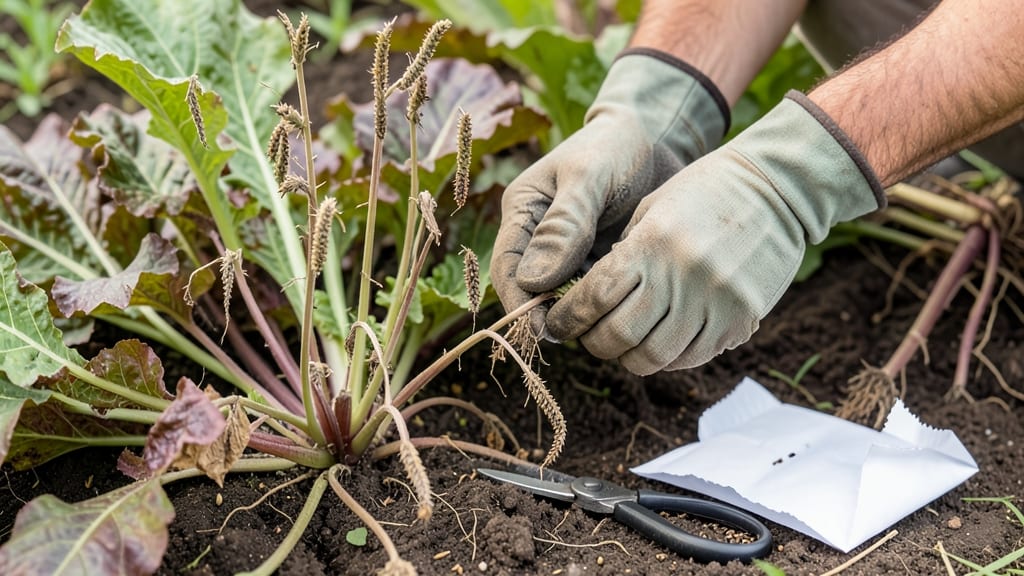
Lettuce seed pods are nature's way of ensuring your garden never runs out of fresh greens. 🌱 I've saved seeds from my own bolted lettuce for years, and the process is simpler than you'd think—no fancy equipment or scientific know-how required.
The key is patience and knowing exactly when to let those plants go to seed.
Start by growing your favorite lettuce varieties until they bolt—those tall, flowering stems signal it's time to switch gears. Once you see seed pods forming (they look like tiny, dry bulbs), give them 4-6 weeks to fully mature before harvesting.
The pods should turn brown and crisp when ready, making them easy to spot against the plant's greenery.
Harvesting is where the magic happens: twist the pods gently until they release their seeds into a paper bag. Store the bag in a cool, dry place for 1-2 weeks to dry completely, then transfer seeds to an airtight container.
You'll end up with seeds that sprout just as reliably as store-bought ones—plus, you've closed the loop on a zero-waste gardening cycle.
This method works for all lettuce types, even heat-tolerant varieties that bolt quickly. The only real challenge is timing—don't rush the seed pods, or you'll end up with immature seeds that won't germinate.
Once you've mastered it, you'll never buy lettuce seeds again, and your garden will thank you for the fresh start each spring.
📚 In This Guide
- What you need
- Instructions
- Tips and common mistakes
- Wrapping up and next steps
What you need
- ● Lettuce plants: Choose loose-leaf varieties (like Buttercrunch or Black Seeded Simpson) or romaine—they’re seed-saving superstars! You’ll need 3–5 mature plants (let them bolt first).
- ● Seed pods (DIY or store-bought): Option 1: Repurposed pods – Clean, twist-resistant seed pods (e.g., blank">EcoEnclose or blank">Seed to Seed brands). Quantity: 1 pod per 10–15 plants.
- ● Option 2: Homemade pods – 1-inch-wide mesh fabric (like tulle or breathable organza), twist ties (or rubber bands), and scissors.
- ● Pruning shears or sharp scissors: For clean cuts—sterilize with rubbing alcohol first!
- ● Paper towels or coffee filters: 2–3 sheets per pod to line them and absorb moisture.
- ● Labeling supplies: Acid-free tags or masking tape.
- ● Permanent marker (write variety name + year).
- ● Dry, well-ventilated space: Seed pods need low humidity (aim for 40–50% humidity). A cool, dark closet or seed drying rack works great.
- ○ Glove option (optional): Nitrile gloves if your lettuce has latex sensitivity (some varieties do!).
- ○ Humidity pack (optional): Silica gel packets (2–3 per batch) to speed up drying.
- ○ Fine mesh sieve (optional): For cleaning seeds post-harvest (if you’re super detail-oriented).
Step-by-Step instructions for harvesting lettuce seed pods
Here's how to collect lettuce seeds without the frustrating twist-and-pull struggle.
🌱 Step 1: Wait for Seed Pods to Mature Fully
Harvest seeds only when the lettuce plants have bolted and produced fully dried seed pods. These pods will turn from green to brown and feel crispy to the touch—like dry paper. If you pick them too early, the seeds won't be viable. I wait until at least 70% of the pods on a plant have turned brown before harvesting.
Check daily during the last week of maturation. The pods should open slightly on their own, revealing tiny black seeds inside. If you see seeds spilling out naturally, that's your cue to act quickly before they scatter. Avoid harvesting on rainy or humid days—the moisture can ruin the seeds.
🌿 Step 2: Gather Pods Without Damaging Them
Use a clean pair of scissors or pruning shears to snip the seed pods directly from the stem. Hold the plant steady with one hand while cutting just above the pod to avoid tugging. This prevents the pods from twisting off prematurely and ensures you capture every seed.
Place the cut pods in a paper bag (not plastic—it traps moisture). I label each bag with the lettuce variety and date to keep things organized. If you're working with multiple plants, process them one at a time to avoid crushing the pods. Handle them gently; even a slight bend can cause seeds to spill out.
💧 Step 3: Dry and Clean the Seed Pods
Spread the pods out on a clean, dry surface like a baking sheet or flat tray. Let them dry in a well-ventilated, shaded area for 3-5 days until they're completely brittle. This step is crucial—any remaining moisture can lead to mold or rot. I place a fan nearby to speed up the process without disturbing the pods.
Once dry, place the pods in a paper bag or envelope and gently crush them with your hands or a rolling pin. The seeds will separate from the chaff and fall to the bottom. Sift the mixture through a fine-mesh sieve to remove debris, leaving only the clean seeds behind. Store the seeds in a cool, dry place for up to 3 years.
⏰ Step 4: Test and Store Viable Seeds
To ensure your seeds are viable, perform a simple float test: Fill a glass with water and drop a few seeds inside. Viable seeds will sink to the bottom within 10-15 minutes, while empty or non-viable ones will float. Discard any seeds that don't sink—only use the ones that settle.
Store the viable seeds in a small envelope or airtight container with a desiccant packet to absorb moisture. Label the container with the lettuce variety, harvest date, and any notes about germination preferences (e.g., "needs cold stratification"). Keep them in a dark, cool place like a pantry or seed vault.
☀️ Step 5: Prevent Cross-Pollination for Pure Varieties
If you're saving seeds from heirloom or open-pollinated lettuce, isolate plants by at least 50 feet to avoid cross-pollination. Lettuce is an open-pollinated plant, but nearby varieties can mix traits. I grow my seed-saving lettuce in a separate bed or use row covers to protect them from wandering bees.
For hybrid lettuce, seed saving isn't recommended—the first-generation seeds won't produce true-to-type plants. Stick to heirloom varieties if you want consistent results. Always save seeds from the healthiest, most productive plants in your garden for the best germination rates next season.
Tips & tricks for perfect lettuce seed pod harvesting
These simple strategies will help you avoid the common pitfalls of seed saving—no more lost seeds or wasted effort.
Timing Secret: In Step 1, when checking for maturity, look for pods that feel completely dry and make a crisp sound when rubbed between your fingers. This is your cue they're ready—any moisture means you risk mold later. I've learned the hard way that harvesting on warm, sunny mornings gives the best results, as dew isn't an issue and pods are at their driest.
Tool Strategy: For Step 2, I recommend using small, sharp pruning shears instead of scissors—they give you more control when harvesting multiple pods. If you're working with delicate stems, try cutting just above a leaf node to prevent the entire stem from snapping. This keeps your plants healthy for future harvests.
Drying Hack: In Step 3, if you're short on drying space, you can use a single baking sheet with parchment paper and prop it up slightly on one end to create airflow. Just make sure to flip the pods halfway through the 3-5 day drying period. I've also found that placing pods near a dehumidifier speeds up the process without adding heat.
Storage Wisdom: For Step 4, when storing your seeds, consider adding a tiny piece of rice to your envelope along with the desiccant packet. The rice will absorb any excess moisture over time, giving you an extra layer of protection. Label your containers with the harvest year—this helps you track seed age for optimal germination.
Pro Tips for Lettuce Seed Pods
- These simple strategies will help you avoid the common pitfalls of seed saving—no more lost seeds or wasted effort.
- Timing Secret: In Step 1, when checking for maturity, look for pods that feel completely dry and make a crisp sound when rubbed between your fingers.
- Tool Strategy: For Step 2, I recommend using small, sharp pruning shears instead of scissors—they give you more control when harvesting multiple pods.
Frequently asked questions
Got questions about harvesting lettuce seed pods? You’re not alone—seed saving can feel tricky at first! Here are answers to the most common queries to help you master twist-resistant harvesting and zero-waste techniques.
What’s the best time to harvest lettuce seed pods?
Harvest seed pods when they’re dry, brown, and crispy—usually 4–6 weeks after flowering. If pods are still green or soft, they’re not ready. Wait until they rattle when shaken ( that’s your cue!). Overripe pods may burst open, spilling seeds prematurely.
Why won’t my lettuce seed pods twist off easily?
Twist resistance happens when pods are too dry or stems are woody. Try these fixes:
- Harvest on a dry, sunny morning for easier twisting.
- Use clean scissors to snip pods if twisting fails.
- Store pods in a paper bag for 1–2 days to dry further.
Can I save seeds from store-bought lettuce?
Probably not! Most commercial lettuce is hybridized (bred for uniformity, not seed viability). For reliable seeds, grow heirloom or open-pollinated varieties like ‘Black Seeded Simpson’ or ‘Jericho.’ Check seed packets for “suitable for seed saving.”
How do I store lettuce seed pods long-term?
Keep pods in a cool, dark, dry place (like a glass jar with silica gel) for up to 3 years. Before storing, let them dry completely—moisture = mold risk. Label pods with the variety and date! For extra safety, thresh seeds (remove from pods) and store just the seeds in envelopes.
What if my seed pods get moldy or buggy?
Discard any pods with fuzz, spots, or critters—they’re no good! Prevent issues by:
- Harvesting pods indoors if pests are rampant.
- Using fine mesh bags to deter insects.
- Cleaning pods with a soft brush before storage.
Wrapping up and next steps
Growing lettuce from seed pods is a simple, sustainable way to save money, reduce waste, and enjoy fresh greens year after year!
With just a few tools—like twist-resistant seed pods and a little patience—you can turn your kitchen scraps into a thriving garden. Why not give it a try? Start by harvesting a few lettuce leaves, drying the seed pods, and storing them properly.
Soon, you’ll be sharing your zero-waste success with neighbors or even selling your seeds at a local market! 🌱
🌿 Your Next Step:
- Grab a lettuce seed pod and repeat the process!
- Experiment with other leafy greens like spinach or kale.
- Join a seed-saving community to swap tips and seeds.