Lawn
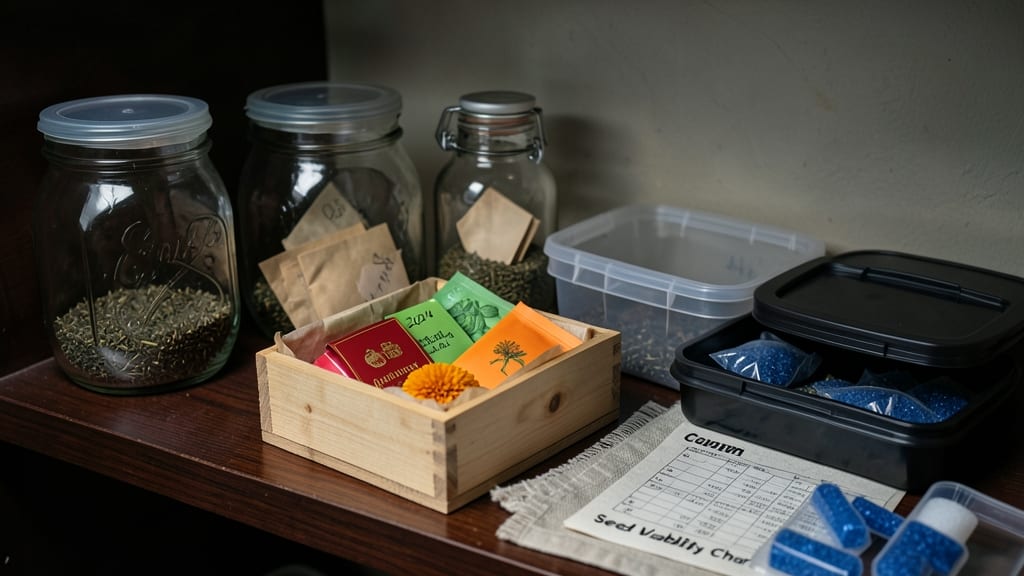
Getting the seed storage conditions right means they’ll still germinate years later—no sad, shriveled packets in the back of your drawer. 🌱 The secret is keeping them cool, dry, and dark, but I’ll show you exactly how to balance temperature and humidity so every seed stays viable until planting time.
Most people mess this up by storing seeds in the fridge without moisture control or leaving them in damp garages. Your goal is 35-45% humidity and 32-41°F—think of it like a seed vault, not a pantry. Even small seeds like lettuce or tiny herbs need this protection to last.
You’ll test viability with a simple water-soak method before planting, and I’ll show you how to organize seeds by type and storage date. Short-term seeds (like tomatoes) last 1-2 years, while long-term seeds (like beans) can stay good for 5+ years with proper care.
This works for vegetable, flower, and herb seeds alike—just adjust container types based on what you’re storing. Let’s keep those seeds ready to grow!
📚 In This Guide
- What you need
- Instructions
- Tips and common mistakes
- Wrapping up and next steps
What you need
- ● Air-tight containers: Glass jars (1–2 quarts), Mylar bags with oxygen absorbers, or vacuum-sealed bags (2–4 units).
- ● Desiccant packs: Silica gel packets (5–10, depending on container size) to control humidity.
- ● Humidity indicator cards: 1–2 cards per container to monitor moisture levels (aim for 3–5% RH).
- ● Labeling supplies: Permanent markers, sticky labels, or a label maker for seed variety and date.
- ● Thermometer/hygrometer: Digital or analog (1 unit) to track temperature (32–41°F) and humidity.
- ● Seed envelopes: For small batches (e.g., heirloom varieties) to prevent clumping.
- ● Vacuum sealer: If using non-Mylar bags for extra air removal.
- ● Refrigerator/freezer: For long-term storage (0–32°F for 5+ years).
- ● Seed catalog or tracker: To log storage dates and viability tests.
How to store seeds for maximum germination success
Here's the simple system I swear by to keep seeds viable for years—no fancy equipment needed.
🌱 Step 1: Dry Seeds Thoroughly Before Storage
Spread seeds in a single layer on a clean, dry paper towel. Let them air-dry for 24-48 hours in a cool, dark place until they feel completely dry to the touch. This prevents mold growth and extends shelf life significantly. I like to use a mesh screen or fine sieve for better airflow around delicate seeds like lettuce or parsley.
Check for moisture by gently squeezing a handful—if they feel damp or sticky, keep drying. Properly dried seeds should feel light and crisp, almost brittle. This step is critical because even slight moisture accelerates seed deterioration over time.
🪴 Step 2: Choose the Right Containers and Sealing Method
Use airtight containers like glass jars, metal tins, or heavy-duty plastic bags with zip seals. I prefer glass jars with silicone seals because they're reusable and provide a moisture barrier. Label each container with the seed variety and date using a permanent marker—ink fades over time, and you'll forget which packet is which.
For extra protection, add a small packet of silica gel or a moisture absorber to the container. This helps maintain the ideal 30-40% humidity range. Seal containers completely—even small air gaps allow moisture to creep in and shorten seed viability.
⏰ Step 3: Store at Optimal Temperature and Light Conditions
Find the coolest, darkest spot in your home—typically a 35-40°F environment works best. Refrigerator crispers (without fruit) or basement corners are ideal. Avoid kitchen cabinets near the stove or windows, as temperature fluctuations and light exposure degrade seeds faster. I keep mine in a dedicated seed storage bin in my refrigerator's vegetable drawer.
Never store seeds in the freezer unless you're planning long-term preservation beyond 10 years. Most seeds don't need this extreme cold—they'll last 5-10 years at these moderate temperatures. Check containers every 6 months to ensure seals remain intact and no moisture has condensed inside.
💧 Step 4: Monitor and Refresh Storage Conditions Annually
Once a year, remove seeds from storage and inspect them for signs of moisture, pests, or mold. If you notice any musty smells or condensation, transfer seeds to fresh containers immediately. I also test a few seeds from each variety by planting them—if germination drops below 70%, it's time to replace that batch.
Rotate older seeds to the front of your storage containers so you use them first. Most seed packets include a germination rate and best-by date—honor these guidelines. For heirloom or rare seeds, consider vacuum-sealing them in mylar bags with oxygen absorbers for maximum longevity.
☀️ Step 5: Handle Seeds Gently When Ready to Use
When planting time arrives, let seeds acclimate to room temperature for 12-24 hours before opening containers. This prevents condensation from forming inside. I like to place containers in a warm, dry spot like on top of the refrigerator overnight. Handle seeds carefully—avoid crushing them, as this can damage the seed coat and reduce viability.
Plant seeds as soon as possible after removing them from storage. Even short exposure to warm, humid air can reduce germination rates. If you must store seeds temporarily after opening, keep them in a cool, dark place for no more than 2 weeks before planting.
Tips & tricks for perfect seed storage conditions
Let me share the secrets I've learned after years of seed saving—these little tricks make all the difference between seeds that sprout and seeds that fail.
The Drying Process: In Step 1, don't rush the 24-48 hour drying time—this is where most people go wrong. For seeds like tomatoes or peppers that are particularly moisture-sensitive, I extend drying to 48 hours. Use a fan on low setting to speed things up if needed, but keep it in that cool, dark spot. The goal is complete dryness, not speed—think "crispy" not "damp."
Container Selection: When choosing containers in Step 2, avoid plastic bags without proper sealing—they let moisture creep in over time. I've found that glass jars with magnetic lids work best because they create an airtight seal that doesn't degrade like plastic can. For bulk storage, consider vacuum-sealed mylar bags with oxygen absorbers for heirloom varieties.
Temperature Troubleshooting: That 35-40°F range in Step 3 is critical, but not every home has a naturally cool spot. If your refrigerator is the only option, store seeds in the crisper drawer away from fruits (which release ethylene gas). For basement storage, use a thermometer to monitor—anything above 50°F will start reducing viability faster than you'd expect.
Annual Maintenance: Don't skip the annual check in Step 4—this is when you catch problems before they ruin your entire collection. I mark my calendar with a sticky note that says "Seed Check Day" and do a quick viability test by planting 5 seeds from each variety. If germination drops below 70%, it's time to replace that batch, no matter how old the seeds appear.
Pro Tips for Seed Storage Conditions
- Let me share the secrets I've learned after years of seed saving—these little tricks make all the difference between seeds that sprout and seeds that fail.
- The Drying Process: In Step 1, don't rush the 24-48 hour drying time—this is where most people go wrong.
- Container Selection: When choosing containers in Step 2, avoid plastic bags without proper sealing—they let moisture creep in over time.
Frequently asked questions
Got questions about storing seeds for the perfect germination?
You’re not alone! Here are answers to the most common concerns about maintaining ideal seed storage conditions—so you can keep your seeds healthy and ready to grow.
What’s the ideal humidity level for storing seeds?
Seeds thrive in 30–50% relative humidity to prevent moisture damage or drying out. Use moisture absorbers like silica gel or store seeds in airtight containers with a desiccant packet. Avoid damp basements or overly dry attics—balance is key!
Can I store seeds in the refrigerator or freezer?
Yes! A cool, dark place (32–41°F / 0–5°C) slows aging. Freezing (0°F / -18°C) works for long-term storage (10+ years), but thaw seeds gradually to avoid condensation. For short-term (1–5 years), a fridge’s crisper drawer is perfect—just keep them dry!
How long can seeds stay viable under ideal conditions?
Viability varies by seed type, but most last 1–5 years in optimal conditions (cool, dry, dark). For example:
- Vegetable seeds: 2–5 years
- Flower seeds: 1–3 years
- Herb seeds: 1–2 years
What if my seeds lose moisture or mold appears?
If seeds feel dry or brittle, place them in a sealed container with a damp paper towel for 24 hours to rehydrate (but not soggy!). For mold, discard affected seeds immediately—mold spores can kill seedlings. Always store seeds in airtight, food-grade containers to prevent contamination.
Are there alternatives to traditional seed storage?
Try:
- Vacuum-sealed bags: Remove air to block moisture/oxygen (great for long-term).
- Mylar bags with oxygen absorbers: Popular for heirloom seeds—seals out light and pests.
- Seed bank kits: Pre-packaged with desiccants (e.g., Seed Savers Exchange kits).
Wrapping up and next steps
Mastering the humidity-temperature balance for seed storage is your secret weapon for healthy, vibrant lawns season after season! 🌱 By controlling moisture, temperature, and airflow, you ensure seeds stay viable and ready to sprout when you need them. Don’t let poor storage sabotage your green dreams—take action now and give your seeds the care they deserve!
🚀 Your Next Step:
- Audit your current seed storage setup—does it meet the ideal conditions?
- Invest in quality containers and monitoring tools if needed.
- Start storing seeds today for next year’s lush, thriving lawn!