
Planting
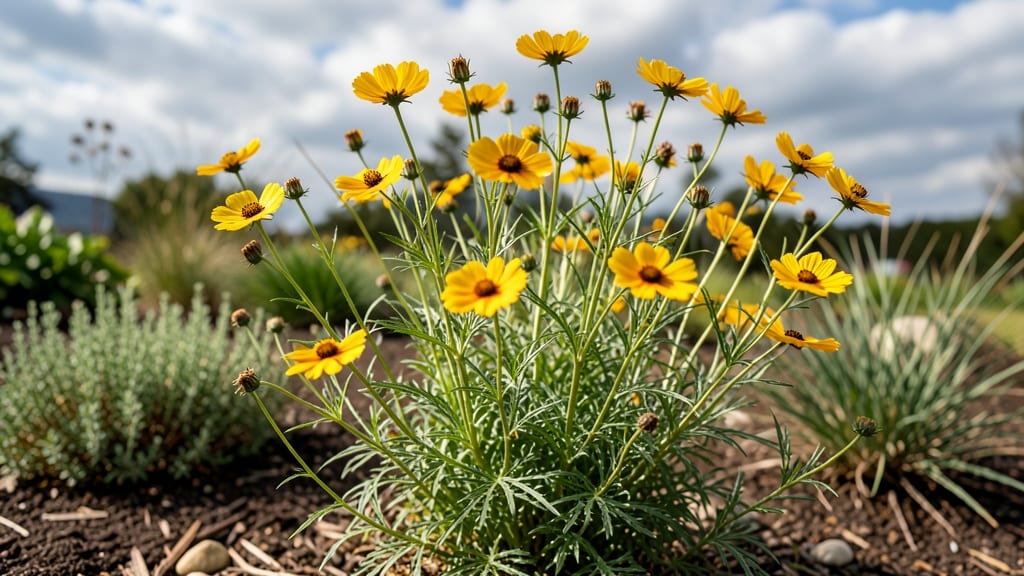
Tickseed plant care brings sunshine to your garden with almost no effort. 🌻 I’ve grown them for years, and they thrive even when I forget to water them—just give them the right spot and a little occasional care. They love full sun (at least 6 hours daily) and well-draining soil, but they’re tough enough to handle drought once established. Deadheading spent blooms keeps them flowering all season, and they rarely face serious pests or diseases. You’ll end up with a garden filled with cheerful yellow, pink, or red blooms from early summer through frost. The best part? They self-seed, so you’ll have new plants popping up year after year. Perfect for borders, containers, or wildflower meadows. Here’s how to keep them happy with minimal fuss!
📚 In This Guide
- What you need
- Instructions
- Tips and common mistakes
- Wrapping up and next steps
What you need
- ● Tickseed seeds – 10–20 seeds (or 1–2 established plants from a nursery). Choose Coreopsis verticillata (threadleaf) or Coreopsis gigantea (giant) for variety.
- ● Well-draining potting mix – 5–10 gallons (depending on pot size). Opt for a blend with 50% perlite or sand to prevent root rot.
- ● Containers or garden bed – For seedlings: 4–6 inch pots (1–2 per seedling).
- ● For mature plants: 12–18 inch pots or in-ground planting with 6–12 inches of spacing between plants.
- ● Watering can or hose with a gentle spray nozzle – Avoid overwatering!
- ○ Fertilizer (optional but helpful) – Balanced 10-10-10 or 5-10-10 granular fertilizer (1 tbsp per 12-inch pot).
- ● Slow-release rose or flower fertilizer (follow package instructions).
- ● Garden trowel or small shovel – For transplanting seedlings.
- ● Pruning shears – To trim dead blooms or shape the plant.
- ○ Mulch (optional) – 1–2 inches of pine bark or straw mulch to retain moisture and suppress weeds.
- ● Plant labels – To track varieties (especially if testing multiple types!).
- ○ Sunlight meter or app (optional) – To confirm your plant gets 6+ hours of full sun daily.
Step-by-Step instructions for growing and maintaining tickseed plants
Tickseed plants reward you with vibrant blooms and easy care—here's how to keep them thriving with just a few simple steps.
🌱 Step 1: Choose the Right Location for Bright, Indirect Light
Place your tickseed plant where it gets 4-6 hours of bright, indirect sunlight daily. A spot near an east-facing window works perfectly, as harsh afternoon sun can scorch its delicate leaves. You'll notice the plant leans toward the light—rotate it a quarter turn weekly to encourage even growth.
If your home has low light, supplement with a grow light positioned 12-18 inches away for 12-14 hours daily. Watch for leaves that turn pale or stretch toward the light—these are signs it needs more illumination. Tickseed plants tolerate some shade but bloom best with plenty of light.
💧 Step 2: Water When the Top Inch of Soil Feels Dry
Water your tickseed plant when the top inch of soil feels dry to the touch. Stick your finger in the soil—if it comes out clean, it's time to water. Overwatering is the biggest mistake, as soggy soil leads to root rot. Use room-temperature water and pour it slowly until it drains from the bottom of the pot.
Empty the saucer underneath after 10-15 minutes to prevent the plant from sitting in standing water. During winter, reduce watering to every 2-3 weeks, as growth slows and the plant needs less moisture. Yellowing leaves often signal overwatering, while crispy edges mean it's thirsty.
☀️ Step 3: Fertilize Lightly During the Growing Season
Feed your tickseed plant with a balanced, water-soluble fertilizer diluted to half-strength every 4-6 weeks during spring and summer. Too much fertilizer burns roots, so always follow the package instructions carefully. You'll see new growth and brighter blooms as a sign it's getting the nutrients it needs.
Avoid fertilizing in fall and winter, as the plant enters a dormant phase. If you notice brown leaf tips or slow growth, flush the soil with water to remove excess salts. A light feeding in early spring jumpstarts fresh foliage and prepares the plant for blooming season.
✂️ Step 4: Prune and Deadhead Regularly for Bushier Growth
Trim back leggy stems to encourage a fuller shape, cutting just above a leaf node with clean, sharp scissors. Deadhead spent blooms by pinching off the faded flowers—this redirects the plant's energy into producing more vibrant new blooms. You'll see a burst of fresh flowers within 2-3 weeks of consistent deadheading.
If the plant outgrows its pot, repot it into a container 1-2 inches larger with fresh potting mix. Tickseed plants prefer being slightly root-bound, so don't rush to upgrade the pot size. Prune any yellow or damaged leaves immediately to keep the plant healthy and looking its best.
🪴 Step 5: Maintain Humidity and Watch for Pests
Tickseed plants appreciate moderate humidity—mist the leaves lightly 2-3 times weekly or place the pot on a tray filled with pebbles and water. The evaporating water creates a natural humid microclimate. You'll notice the leaves stay lush and vibrant with this simple trick.
Check the undersides of leaves weekly for pests like spider mites or aphids. Wipe leaves with a damp cloth to remove dust, which helps prevent infestations. If you spot pests, treat with insecticidal soap or neem oil, following the product instructions carefully. A healthy tickseed plant rarely attracts pests, so keeping it well-cared-for is your best defense.
Tips & tricks for perfect tickseed plant care
Between us, these simple tricks will help your tickseed plant thrive without turning into a high-maintenance diva.
Light Rotation Secret: That weekly quarter-turn rotation in Step 1 isn't just about looks—it prevents the plant from growing lopsided toward the light. I've seen tickseed plants lean so dramatically they nearly fall over! Set a reminder in your phone if you tend to forget. The goal is even growth, not just pretty blooms.
Watering Hack: The top inch test in Step 2 works, but here's what nobody tells you—use your finger to check soil moisture at the same time every week. Consistency matters more than the exact measurement. I check mine every Monday morning before coffee, and it's become part of my routine. Pro tip: If your finger comes out with soil clinging to it, you're overwatering.
Fertilizer Timing: Those 4-6 week intervals in Step 3 might seem like a long time, but tickseed plants actually prefer less frequent feeding. I've found that feeding in early spring (around March) and again in June gives me the best blooms. The key is the "half-strength" dilution—don't skip this, or you'll burn the roots. Think of it like giving your plant a vitamin shot, not a full meal.
Humidity Boost: The 2-3 times weekly misting in Step 5 is great, but here's a game-changer: Place your plant on a pebble tray with water and pebbles (not touching the pot) for extra humidity without the daily misting. I use a shallow tray with decorative river rocks and water, and my tickseed stays happy between mistings. The pebbles create that natural humid microclimate without the risk of overwatering.
Pro Tips for Tickseed Plant Care
- Between us, these simple tricks will help your tickseed plant thrive without turning into a high-maintenance diva.
- Light Rotation Secret: That weekly quarter-turn rotation in Step 1 isn't just about looks—it prevents the plant from growing lopsided toward the light.
- Watering Hack: The top inch test in Step 2 works, but here's what nobody tells you—use your finger to check soil moisture at the same time every week.
Frequently asked questions
How often should I water my tickseed plant?
Water your tickseed deeply but infrequently—about once a week (or when the top 1-2 inches of soil feel dry). Overwatering is the #1 killer! These drought-tolerant plants prefer well-draining soil and can handle dry spells once established. Pro tip: Group them with other succulents to cut back on watering chores!
Can tickseed plants survive winter in cold climates?
Yes! Most Coreopsis varieties are perennial and handle light frosts (down to 10–20°F). For extra protection, mulch the base with 2–3 inches of straw or leaves after the first frost. If you live in Zone 5 or colder, choose cold-hardy types like Coreopsis verticillata or Coreopsis lanceolata.
Why aren’t my tickseed flowers blooming?
Blooms may fade if your plant gets too much shade (they need 6+ hours of sun) or over-fertilized (too many nutrients = leafy growth, fewer flowers). Deadhead spent blooms to encourage more flowers, and prune leggy stems in early spring. Bonus: They’re self-cleaning, so minimal effort = more color!
Are tickseed plants prone to pests or diseases?
Generally pest-free, but watch for aphids or powdery mildew in humid areas. Spray plants with neem oil or water leaves in the morning to prevent mildew. Prevention tip: Space plants 12–18 inches apart for airflow, and avoid overhead watering. Healthy soil = happy, resilient tickseed!
Can I grow tickseed in containers? If so, what’s the best pot size?
Tickseed thrives in containers 12+ inches wide with drainage holes. Use a fast-draining mix (like cactus/succulent blend) and repot every 2–3 years to refresh the soil. Container hack: Pair with sedum or lavender for a low-maintenance, pollinator-friendly combo!
Wrapping up and next steps
Caring for a tickseed plant is a breeze—just a splash of sunlight, a sip of water, and a little patience will reward you with vibrant blooms year-round! 🌸 Whether you’re a seasoned gardener or a newbie, this hardy plant thrives with minimal fuss, making it the perfect addition to your indoor or outdoor space.
Now that you’re armed with the right tips, go ahead and give your tickseed the love it deserves—and watch it flourish!
Ready to level up your green thumb? Try experimenting with propagation or pairing your tickseed with complementary plants for a stunning display. Happy gardening! 🌱