Propagation
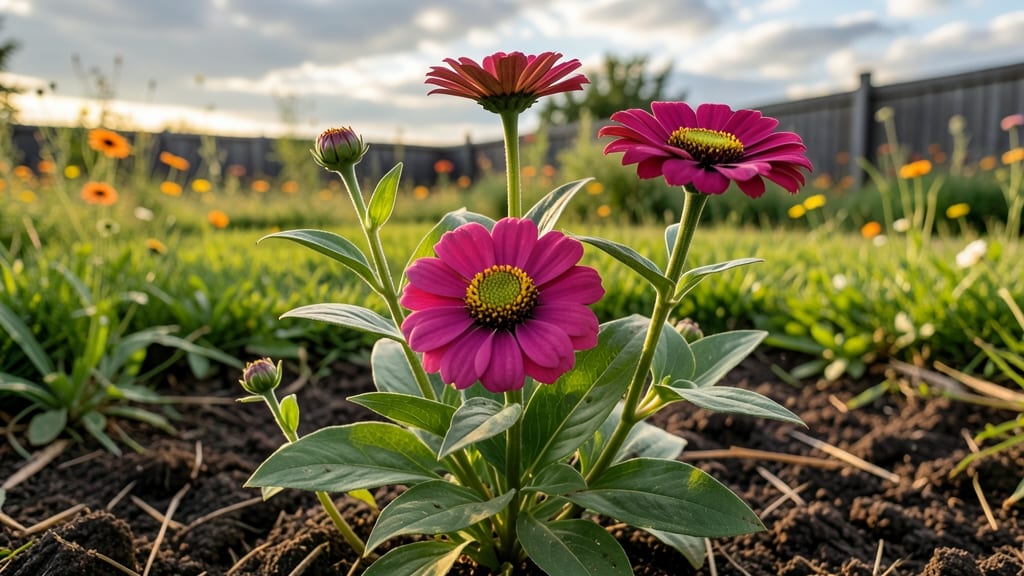
Growing zinnias from seed to flower is like watching a firework bloom in your garden—vibrant, fast, and impossible to resist. 🌻 I’ve grown them for years, and the secret to zero-waste blooms lies in twist-resistant seed pods and a few simple tricks that keep plants thriving from seed to showstopper flowers.
The magic starts with well-draining soil, a sunny spot (6+ hours of light), and seeds sown just ¼ inch deep. Most people overwater or crowd seedlings, but zinnias reward patience—thin them to 12 inches apart for sturdy stems that won’t flop.
Once planted, they’re shockingly low-maintenance, with blooms appearing in as little as 6-8 weeks from seed.
By midsummer, you’ll have a nonstop parade of dinnerplate-sized blooms in every color imaginable. The twist-resistant pods (like ‘Benary’s Giant’ or ‘Profusion’) stay upright even in heavy rain, and you’ll harvest dozens of cut flowers without sacrificing plant health.
Deadhead spent blooms to encourage more flowers, and watch your garden become the neighborhood’s favorite.
Works for containers, raised beds, or in-ground gardens—even in small spaces. Here’s how to make every seed count and turn your garden into a zinnia bonanza.
📚 In This Guide
- What you need
- Instructions
- Tips and common mistakes
- Wrapping up and next steps
What you need
- ● Zinnia seeds: Choose heirloom or hybrid varieties (e.g., Benary’s Giant or Profusion). Buy 1–2 packets (50–100 seeds) for a small garden or 5+ packets for larger patches.
- ● Seed-starting mix: 1–2 quarts of sterile, seed-specific soil (avoid garden soil—it’s too dense!).
- ● Containers: Seed trays or peat pots: 12–24 cells (biodegradable pots are zero-waste!).
- ● OR Repurposed containers (yogurt cups, egg cartons) with drainage holes.
- ● Drainage trays: 1–2 to catch excess water.
- ● Watering can or spray bottle: With a fine mist nozzle for gentle hydration.
- ● Trowel or spoon: For planting seeds (a plastic knife works for eco-friendliness).
- ● Plant labels: 5–10 (write seed names + dates!).
- ● Grow lights or sunny windowsill: 12–16 hours/day of light (LED grow lights are energy-efficient).
- ● Fertilizer: Balanced liquid fertilizer (10-10-10) or compost tea (dilute to half-strength when seedlings emerge).
- ○ Twist-tie or plant clips: 5–10 to support stems as they grow (optional but helps prevent snapping!).
- ● Warmth: Zinnias thrive in 70–75°F (21–24°C) soil. Use a heat mat if starting indoors in cool climates.
- ● Patience: Germination takes 7–14 days (keep soil moist but not soggy!).
- ● Sunlight: Full sun (6+ hours/day) after transplanting outdoors.
- ● Space: Mature zinnias need 6–12 inches apart (check seed packet for variety specifics).
- ● Compost: Mix 10–20% compost into soil for nutrient-boosted blooms.
- ● Mulch: Straw or shredded leaves to retain moisture and deter weeds.
- ● Pruning shears: For deadheading spent blooms (encourages non-stop flowers!).
- ● Seed-saving envelopes: To collect seeds from your zero-waste pods for next year!
Step-by-Step guide to growing zinnias from seed to flower
Here's how to cultivate vibrant zinnias with sturdy stems—ready for cutting or pollinators in just weeks.
🌱 Step 1: Start Seeds Indoors for Early Blooms
Fill small seed-starting pots with moistened seed-starting mix, pressing it down lightly so it's firm but not compacted. Plant 2-3 zinnias per pot at a depth of 1/4 inch—they need light to germinate, so don't bury them too deep. Cover with a thin layer of soil, then mist gently with water until the surface looks evenly damp.
Place the pots in a warm spot with temperatures between 65-75°F. I use a seedling heat mat to speed germination, which typically occurs in 7-14 days. Keep the soil consistently moist but never soggy—overwatering at this stage causes damping-off, a fungal disease that kills seedlings overnight.
☀️ Step 2: Harden Off and Transplant After Frost
Once seedlings have 2-3 sets of true leaves, start hardening them off by placing them outdoors in a sheltered spot for 1-2 hours the first day. Gradually increase their time outside over 7-10 days, letting them adjust to wind and sun. This step is critical—skipping it results in weak stems that snap easily when you try to cut flowers later.
After the last frost date, transplant the seedlings into the garden 12-18 inches apart in full sun. Zinnias thrive in well-draining soil, so amend the area with compost if your soil is heavy. Water deeply at planting to settle the roots, then let the soil dry slightly between waterings to encourage strong root growth.
💧 Step 3: Maintain Consistent Water and Fertilizer
Water zinnias at the base 1-2 inches deep every 2-3 days during dry spells, but avoid wetting the leaves to prevent fungal diseases like powdery mildew. You'll know they're thirsty when the soil feels dry to the touch 1 inch below the surface. Overwatering leads to floppy stems, so let the soil dry out slightly between waterings.
Feed plants with a balanced 10-10-10 fertilizer every 3-4 weeks to promote lush blooms. I also sprinkle a handful of compost around the base monthly for slow-release nutrients. Deadhead spent blooms by pinching them off just above a set of leaves—this encourages more flowers and prevents the plant from going to seed too early.
✂️ Step 4: Harvest and Preserve Twist-Resistant Stems
Cut flowers in the morning when dew has dried but before the heat of the day. Use sharp shears to snip stems at a 45-degree angle just above a leaf node. This angle increases water uptake, keeping bouquets fresh longer. Remove any leaves that will sit below the waterline in your vase.
To create zero-waste pods, wrap stems in damp paper towels and place them in a plastic bag overnight. The next morning, strip the leaves and place the stems in fresh water. This method keeps stems hydrated and prevents wilting, giving you 7-10 days of vase life. For long-term storage, dry the flowers upside-down in a dark, airy space for 1-2 weeks before arranging.
Tips & tricks for growing sturdy zinnia blooms
Here's what I've learned from years of growing zinnias that actually stand up to cutting—and last in vases.
Light Matters: Zinnias need 6-8 hours of direct sunlight daily once transplanted. If your garden gets less, supplement with a grow light for 4-6 hours in the evening. I've seen zinnias grown in partial shade produce fewer blooms and weaker stems—worth the extra light for those twist-resistant pods.
Soil Secrets: The 12-18 inch spacing in Step 2 isn't just about room to grow—it's about airflow. Crowded plants develop fungal issues faster. Amend your soil with 1 part compost to 3 parts native soil to improve drainage while retaining moisture. I've found that zinnias in heavy clay soil develop floppy stems, so this adjustment makes all the difference.
Watering Wisdom: Those 2-3 days between waterings can be tricky—check soil moisture by sticking your finger 1 inch deep. If it's dry, water deeply until moisture reaches 2 inches down. Morning watering prevents fungal diseases by letting leaves dry during the day. I've lost entire batches to powdery mildew when I ignored this simple rule.
Harvesting Hack: For the zero-waste pods, use sharp floral shears instead of scissors—the clean cut prevents crushing stems. The 45-degree angle in Step 4 isn't just aesthetic; it creates more surface area for water absorption. Strip leaves below the waterline immediately to prevent bacterial growth in your vase water.
Pro Tips for Zinnia From Seed To Flower
- Here's what I've learned from years of growing zinnias that actually stand up to cutting—and last in vases.
- Light Matters: Zinnias need 6-8 hours of direct sunlight daily once transplanted.
- Soil Secrets: The 12-18 inch spacing in Step 2 isn't just about room to grow—it's about airflow.
Frequently asked questions
Got questions about growing zinnias from seed to flower? You’re not alone—these vibrant blooms are easy to love but sometimes tricky to master! Here are answers to the most common questions to help you grow twist-resistant, zero-waste zinnias like a pro.
How long does it take for zinnia seeds to germinate?
Zinnia seeds typically germinate in 7–14 days after planting, depending on temperature and moisture. For faster sprouting, keep soil consistently moist (not soggy) and maintain temperatures between 60–75°F (15–24°C). If you’re growing in cooler climates, consider using a seedling heat mat to speed things up!
When is the best time to plant zinnia seeds?
Zinnias thrive in warm weather, so wait until after the last frost when soil temps reach at least 55°F (13°C). For most U.S. regions, this means planting in late spring (April–June). If you’re in a hot climate, you can also plant again in early fall for a second round of blooms!
Why aren’t my zinnia seeds sprouting? Troubleshooting tips.
If your seeds aren’t germinating, check these common issues:
- Cold soil: Zinnias hate cold—wait for warmer temps or use a heat mat.
- Too deep: Plant seeds only ¼ inch deep; deeper planting can suffocate them.
- Damp but not moist: Soil should stay evenly damp, like a wrung-out sponge.
- Old seeds: Zinnia seeds lose viability after 1–2 years—start fresh!
Can I grow zinnias indoors before transplanting?
Yes! Start seeds indoors 4–6 weeks before the last frost using seedling trays with well-draining soil. Place under grow lights (12–16 hours/day) to prevent leggy seedlings. Once seedlings have 2–3 sets of leaves, harden them off outdoors for 1 week before transplanting—this helps them adjust to outdoor conditions!
How do I prevent zinnias from getting twisted stems or flopping?
Twisted stems (a common issue!) often happen from overcrowding or poor air circulation. To keep stems strong:
- Space seeds 12–18 inches apart (thin seedlings if needed).
- Use cage supports or stakes early to train growth.
- Deadhead spent blooms to encourage new, upright growth.
- Avoid heavy fertilizers—zinnias prefer low-nitrogen feed.
Wrapping up and next steps
Growing zinnias from seed to flower is a rewarding journey that brings vibrant color to your garden while embracing a zero-waste approach! With just a few simple steps—twist-resistant pods, sunlight, and patience—you’ll enjoy stunning blooms that last from early summer to frost.
Whether you’re a beginner or a seasoned gardener, these cheerful flowers are the perfect way to add life and joy to your outdoor space.
Ready to take the next step? Experiment with different varieties or share your twist-resistant pods with fellow gardening enthusiasts! 🌸 Your garden—and the bees—will thank you.