
Lawn
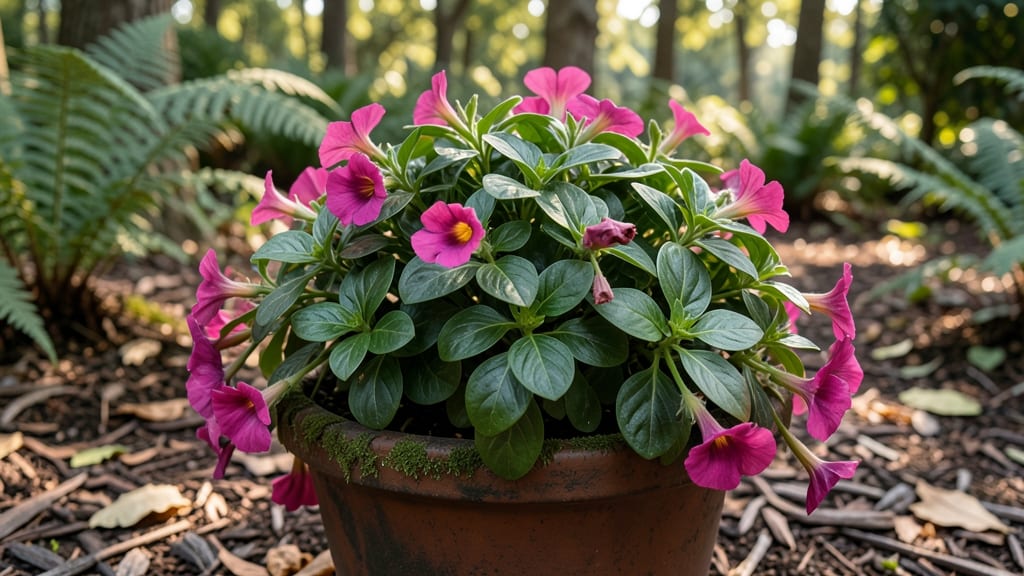
Twist-free impatiens pods mean no more wasted seeds or tangled messes. 🌱 These American Seed Impatiens grow into shade-loving bloomers that thrive where others fail—perfect for under trees or shady patios. The key? Starting with the right soil mix and timing your plantings to avoid heat stress.
You’ll need a 50/50 mix of peat moss and perlite for seed-starting, plus a shady windowsill or grow light to keep seedlings happy. Once outdoors, they love morning sun and afternoon shade, with soil that stays consistently moist but never soggy.
The twist-free pods make planting effortless—just pop them open and scatter seeds without the usual frustration. By midsummer, you’ll be rewarded with vibrant red, pink, or white blooms that last until frost. These plants are disease-resistant and attract pollinators, making them a low-maintenance superstar for any garden.
They even self-seed, so you’ll get free plants next year! Works for containers, garden beds, or hanging baskets—just avoid full sun, and you’re golden. Let’s get those seeds growing!
📚 In This Guide
- What you need
- Instructions
- Tips and common mistakes
- Wrapping up and next steps
What you need
- ● American Seed Impatiens Pods: 10–20 pods (depending on desired coverage; each pod contains ~10 seeds). Choose zero-waste, twist-free pods for easy planting.
- ● Well-draining potting mix: 1–2 bags (10–15 quarts each). Opt for a light, airy blend (e.g., 60% peat/coir, 30% perlite, 10% compost).
- ● Containers: Seed starter trays (50–100 cell count) or
- ● Small pots (3–4 inches in diameter) with drainage holes.
- ● Watering can or spray bottle: With a fine-mist nozzle for gentle hydration.
- ● Plant labels: Waterproof markers or stakes to track varieties.
- ○ Grow lights (optional but recommended for indoor starts): LED bulbs (6,500K color temperature) or a full-spectrum setup (12–16 hours/day).
- ○ Gloves (optional): For handling soil or seeds if you prefer a barrier.
- ● Twine or plant ties: For supporting taller varieties in containers.
- ● Fertilizer: Balanced liquid fertilizer (10-10-10 or 20-20-20) or slow-release granules.
- ○ Mulch (optional): Shredded bark or coconut coir to retain moisture.
- ● Pruning shears: For shaping plants as they grow.
- ● A sunny spot (partial shade to full sun; adjust based on your climate).
- ● Consistent moisture: Impatiens thrive in evenly damp (not soggy) soil.
- ● Patience: Germination takes 14–21 days in ideal conditions!
Step-by-Step guide to growing american seed impatiens
Here's how to cultivate vibrant, twist-free impatiens pods that keep blooming all season long.
🌱 Step 1: Choose the Right Location and Soil
Impatiens thrive in partial shade—they need 4-6 hours of morning sun but will scorch in afternoon heat. I always pick spots under tall shrubs or beneath the dappled shade of mature trees. The soil should be rich, well-draining, and consistently moist, so amending with 2-3 inches of compost before planting is a game-changer.
Test your soil first—impatiens hate soggy roots but also won’t tolerate dryness. If your soil drains poorly, mix in 1 part perlite or coarse sand to 3 parts native soil. You’ll know you’ve got it right when water soaks in within 10-15 minutes of watering, leaving the top inch slightly damp but not wet.
💧 Step 2: Plant Seeds or Transplants at the Right Time
For direct seeding, wait until after the last frost when soil temperatures reach at least 65°F. Sow seeds ¼ inch deep in rows spaced 12 inches apart. I like to use a seed starter mix in biodegradable pots first—this gives seedlings a head start and reduces transplant shock. Keep them moist but not soggy until true leaves appear (about 2-3 weeks).
If buying transplants, choose compact varieties with full, dark green leaves—avoid leggy or yellowing plants. Plant them 12-18 inches apart in early morning or late afternoon to reduce stress. Water deeply right after planting to settle the soil and eliminate air pockets around the roots.
☀️ Step 3: Maintain Consistent Moisture and Fertility
Impatiens need consistent moisture—never let them dry out completely. Water deeply 2-3 times per week, aiming for 1 inch of water each session. You’ll know you’re doing it right when the top ½ inch of soil feels damp but not waterlogged. Mulch with 2-3 inches of shredded bark to retain moisture and suppress weeds.
Feed every 2-3 weeks with a balanced, water-soluble fertilizer (10-10-10 or 20-20-20). I switch to a low-phosphorus formula (like 15-5-15) once blooms appear to encourage more flowers instead of foliage. Stop fertilizing 4-6 weeks before the first frost to harden off the plants for winter.
✂️ Step 4: Deadhead and Prune for Continuous Blooms
The secret to twist-free, long-lasting impatiens? Deadheading spent blooms. Snip off faded flowers just above the next set of leaves with clean, sharp scissors. This redirects the plant’s energy into new growth instead of seed production. I do this every 3-4 days during peak bloom—it’s tedious but worth it for nonstop color.
Light pruning also keeps plants bushy. Pinch back new growth by ⅓ when stems reach 6 inches tall to encourage branching. Avoid heavy pruning mid-season—it can stress the plant and reduce flowering. If you notice leggy growth, move the plant to a slightly shadier spot and increase watering frequency.
🪴 Step 5: Overwintering and Season Extension
In colder climates, impatiens are annuals, but you can save seeds for next year. Let a few flowers mature and dry on the plant—twist-free pods will form naturally. Harvest seeds when pods turn papery and brown, then store in a cool, dry place until spring. For a longer season, plant early varieties in late winter under grow lights or in a sunroom to get a jumpstart.
If you’re in a mild-winter zone, protect plants with frost cloth once temperatures dip below 35°F. Remove dead foliage in early spring and fertilize lightly to encourage new growth. You’ll often get a second flush of blooms if you keep them healthy through winter.
Tips & tricks for perfect american seed impatiens growth
Here's what I've learned from years of growing vibrant impatiens without the frustrating twist—these tricks make all the difference.
Location and Lighting: The 4-6 hours of morning sun is non-negotiable for healthy growth, but I've found that using sheer white garden fabric to filter afternoon sunlight can actually extend the safe window. Hang it 3-4 feet above the plants to create a dappled shade effect that prevents scorching while still allowing light penetration. This mimics the natural shade from mature trees and gives you more flexibility in placement.
Soil Preparation Secret: Don't just amend your soil—test it first! I use a simple moisture test by digging a small hole, filling it with water, and timing how long it takes to drain. If it's still damp after 15 minutes, you need more perlite or sand. For the 2-3 inches of compost, I recommend mixing in worm castings too—they add beneficial microbes that help prevent root rot while maintaining that perfect moisture balance.
Transplant Timing Strategy: When planting transplants in Step 2, I always do it in the early morning when temperatures are coolest. The 12-18 inch spacing gives plants room to breathe, but I've found that adding a handful of mycorrhizal fungi to the planting hole helps roots establish faster. This is especially important if you're in a hot climate where soil temperatures can exceed 65°F even after last frost.
Deadheading Discipline: The every-3-4-days deadheading in Step 4 is crucial, but I've developed a system to make it easier. Use a small pair of pruning shears and snip just above the next leaf set while wearing gloves—this prevents the sap from staining your hands. I also keep a small bucket nearby to collect the spent blooms for composting, turning what could be a chore into a zero-waste practice.
Pro Tips for American Seed Impatiens
- Here's what I've learned from years of growing vibrant impatiens without the frustrating twist—these tricks make all the difference.
- Location and Lighting: The 4-6 hours of morning sun is non-negotiable for healthy growth, but I've found that using sheer white garden fabric to filter afternoon sunlight can actually extend the safe window.
- Soil Preparation Secret: Don't just amend your soil—test it first!
Frequently asked questions
Got questions about growing American Seed Impatiens?
You’re not alone! Here are answers to the most common queries—from planting tips to troubleshooting—to help you cultivate vibrant, twist-free blooms with ease.
When is the best time to plant American Seed Impatiens?
Plant these shade-loving beauties after the last frost in spring (typically late April to early May in most U.S. zones). For a fall display, sow seeds indoors 8–10 weeks before your first frost date. They thrive in warm soil (60–70°F) and love consistent moisture—just avoid soggy roots!
How often should I water American Seed Impatiens?
Keep the soil evenly moist but not waterlogged. Water deeply 2–3 times per week, or daily in extreme heat. Their tender roots hate drying out, so mulch around plants to retain moisture. Pro tip: Water at the base (not overhead) to prevent fungal issues like powdery mildew.
Why are my impatiens wilting or dropping leaves?
Wilting or leaf drop usually signals overwatering or root rot. Check the soil—if it’s mushy, cut back on watering and improve drainage. Yellowing leaves? It could be nutrient deficiency (try a balanced fertilizer) or aphids. Spray with neem oil or rinse off pests gently for a quick fix.
Can I grow American Seed Impatiens in containers?
They’re perfect for pots, hanging baskets, or window boxes. Use a well-draining potting mix with added perlite, and choose containers with drainage holes. For baskets, line them with coconut coir to retain moisture. Just ensure they get 4+ hours of indirect light daily—they’ll reward you with nonstop blooms!
What can I plant with impatiens to extend their season?
Pair them with shade-tolerant companions like ferns, heuchera, or calibrachoa for a lush combo. For height, add coleus or begonias. Avoid sun-loving plants (like geraniums) that’ll outcompete them. Bonus: Their twist-free pods make them a zero-waste choice—just let spent blooms drop for self-seeding!
Wrapping up and next steps
Growing American Seed Impatiens with twist-free pods isn’t just about vibrant blooms—it’s a sustainable way to enjoy zero-waste gardening! These easy-care plants thrive with minimal fuss, offering months of color while reducing plastic waste.
Whether you’re a seasoned gardener or a beginner, their resilience and beauty make them a must-have for any garden bed or container.
Ready to dive in? Start by ordering your twist-free pods today and transform your outdoor space into a lively, eco-friendly sanctuary. Happy planting! 🌸🌿