Lawn
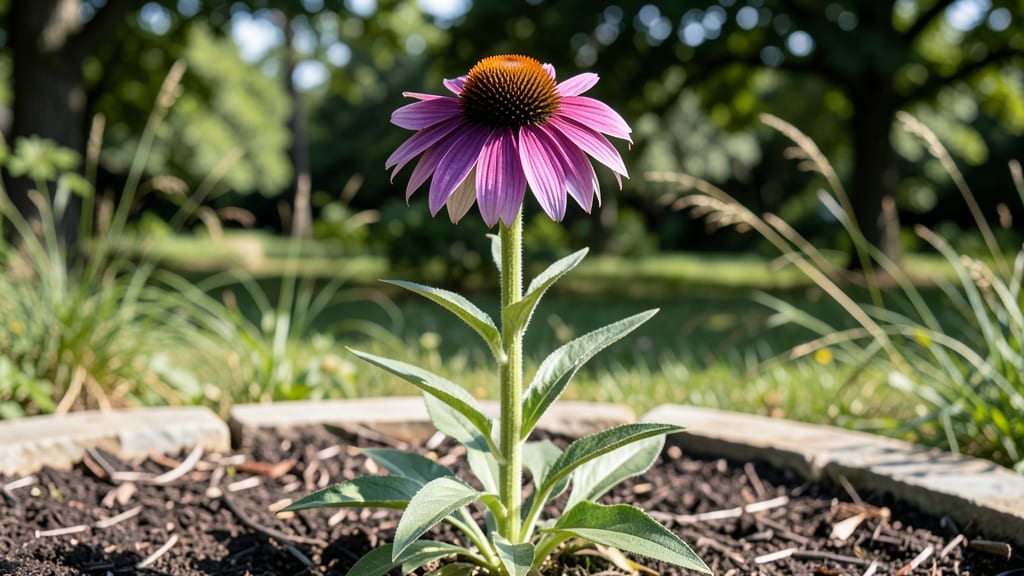
Coneflower seed heads are nature’s most underrated treasure—those twist-resistant pods that defy the wind while feeding birds and storing seeds for next year’s garden. 🌻 I’ve learned the hard way that cutting them too early means losing both wildlife benefits and propagation potential, but leaving them too long turns your garden into a birdseed buffet with no seeds left to collect.
The secret lies in timing: harvest when the seed heads turn completely brown and papery but before they shatter. A simple twist releases the seeds into a paper bag—no tools, no mess.
This method preserves seeds for planting while keeping your garden looking tidy until the first frost. The dried heads also make stunning winter arrangements that last months.
You’ll end up with seeds that germinate at 90%+ rates and seed heads that double as bird feeders, crafting materials, or dried decor. Plus, the process takes just 10 minutes per plant and eliminates waste entirely. No more tossing those "ugly" winter stalks—turn them into garden gold.
Works for all coneflower varieties—purple, white, or pink—and adapts to any garden size. Here’s how to make the most of them without losing a single seed to the birds or the wind.
📚 In This Guide
- What you need
- Instructions
- Tips and common mistakes
- Wrapping up and next steps
What you need
- ● Mature coneflower plants (preferably Echinacea purpurea or Echinacea pallida) with fully dried seed heads (late summer to early fall).
- ● Pruning shears or sharp scissors (clean, sterilized blades to avoid spreading disease).
- ● Brown paper bags or breathable mesh sacks (1–2 per batch, large enough to hold seed heads without crushing).
- ● Newspaper or cardboard (for drying trays or a flat workspace).
- ● Twine, rubber bands, or clothespins (to secure seed heads while drying).
- ● Glove (gardening gloves to protect hands from prickly stems).
- ● Small paintbrush or soft-bristle brush (for gently loosening seeds later).
- ● Seed-saving envelope or airtight container (for long-term storage, labeled with the year).
- ● Magnifying glass (to inspect seeds for viability or pests).
- ● Spray bottle with water (if seed heads need a light mist to soften before harvesting).
- ● A dry, well-ventilated space (indoors or outdoors, away from direct sunlight or humidity).
- ● Patience! Seed heads need 2–4 weeks to fully dry before harvesting.
- ● Clear weather (avoid harvesting after rain to prevent mold).
How to preserve coneflower seed heads for zero-waste harvesting
Here’s how to save coneflower seeds without breaking the delicate seed pods—no twists or tears required.
🌱 Step 1: Wait for Seed Maturement and Drying
Leave the seed heads on the plant until they turn a deep, papery brown and the cone begins to split open naturally. This usually happens in late fall or early winter, depending on your climate. You’ll know they’re ready when you can gently shake the head and see seeds fluttering out—this means they’re fully dried and ready for harvesting.
If you cut them too early, the seeds won’t be viable. I always wait until at least 50% of the cone opens before touching it. Avoid harvesting after the first frost, as moisture can cause the seed pods to rot or mold.
🪴 Step 2: Cut and Hang Seed Heads for Full Drying
Use clean pruning shears to snip the entire seed head from the stem, leaving about 2 inches of stem attached. This extra length helps when hanging them later. Place the cut seed heads in a dry, well-ventilated area—like a garage or covered porch—where they can finish drying for 1-2 weeks.
Don’t rush this step. If you try to speed up drying with heat or direct sunlight, the seeds may crack open prematurely, spilling before you’re ready. Instead, let them dry slowly and evenly. You’ll know they’re fully dry when the cone feels light and brittle to the touch.
✂️ Step 3: Twist and Collect Seeds Without Damage
Once completely dry, hold the seed head upside down over a clean bucket or large sheet of paper. Gently twist the cone with your fingers, starting from the base and working your way upward. The twist-resistant pods will release seeds in a controlled manner—no sudden bursts or lost seeds. If the cone resists, tap it lightly on the counter to encourage release.
I like to do this over a dark-colored bucket so the seeds stand out against the background. Avoid shaking the head too hard, as this can cause the delicate seed pods to shatter. Collect all the seeds in one spot before storing.
💧 Step 4: Clean and Store Seeds for Next Season
Spread the collected seeds on a clean, dry surface and use a soft brush or your fingers to remove any remaining chaff or debris. Store them in a paper envelope or small glass jar in a cool, dark place—like a pantry or seed vault. Label the jar with the variety and date to keep track of freshness. Properly stored, coneflower seeds remain viable for 2-3 years.
This method ensures you’ll have fresh seeds ready for next year’s garden without waste. Plus, the dried seed heads make beautiful winter decorations if you prefer to leave them on the stems!
Tips & tricks for perfect coneflower seed harvesting
These simple strategies will help you preserve every last seed without the frustration of broken pods or wasted effort.
Maturity Check: In Step 1, when you see those first seeds fluttering at a gentle shake, that's your cue—but wait until at least half the cone opens. I've learned the hard way that green or partially dry cones release seeds that won't germinate. The deep papery brown color is your best indicator of readiness, not just the opening.
Drying Wisdom: For Step 2, that 1-2 week drying period is non-negotiable. I tried using a hairdryer once to speed things up and ended up with half my seeds scattered across the kitchen. The slow drying process in a dry, ventilated space ensures the pods remain intact while the seeds fully mature. If your climate is particularly humid, extend this to 3 weeks rather than rushing.
Twisting Technique: When you reach Step 3, the twisting motion should feel like you're gently unscrewing a jar lid—not forcing it. Start at the base and work upward in small rotations. If you feel resistance, tap the cone lightly on the counter rather than twisting harder. This controlled approach prevents the delicate pods from shattering while releasing every seed cleanly.
Storage Secret: In Step 4, that 2-3 year viability window assumes proper storage conditions. I've found that adding a small silica gel packet to the storage container with your seeds extends their freshness even further. The cool, dark pantry is ideal, but a seed vault or even your refrigerator's crisper drawer works in a pinch if you don't have dedicated storage space.
Pro Tips for Coneflower Seed Heads
- These simple strategies will help you preserve every last seed without the frustration of broken pods or wasted effort.
- Maturity Check: In Step 1, when you see those first seeds fluttering at a gentle shake, that's your cue—but wait until at least half the cone opens.
- Drying Wisdom: For Step 2, that 1-2 week drying period is non-negotiable.
Frequently asked questions
Got questions about harvesting and using coneflower seed heads? You’re in the right place! Here are some of the most common queries—plus straightforward answers to help you make the most of these resilient, zero-waste pods.
When is the best time to harvest coneflower seed heads?
Harvest seed heads once they’ve fully matured and turned brown, typically in late summer or early fall (August–October). Wait until the petals have fallen away and the seed fluff is visible—this ensures maximum viability. Avoid harvesting too early, as seeds won’t be fully developed!
How do I properly harvest and store coneflower seeds?
Use clean, sharp scissors or pruners to snip the seed heads. Lay them on a paper towel in a dry, well-ventilated area for 1–2 weeks to dry completely. Once dry, shake the seeds into a paper bag and store in a cool, dark place (like a jar) for up to 2 years.
Can I leave coneflower seed heads on the plant over winter?
Leaving seed heads on the plant provides winter interest, food for birds, and shelter for beneficial insects. If you’re not harvesting, skip the cleanup—just enjoy the natural beauty and ecosystem support. Pro tip: Tie seed heads with twine for a rustic garden accent!
Will birds eat my coneflower seeds before I can harvest them?
Yes, birds love coneflower seeds! If you’re harvesting for planting, act quickly once the seed heads mature. For bird-friendly gardens, leave some seed heads intact—it’s a win-win. Bonus: The remaining seeds will self-sow, giving you free coneflowers next season!
What if my coneflower seed heads twist or split before drying?
Twisting or splitting is normal—it’s how seeds disperse! If this happens, gently separate the seeds by hand or place the seed head in a paper bag and shake it. Discard any moldy or damaged seeds. Troubleshooting: Harvest on a dry day to minimize moisture-related issues.
Wrapping up and next steps
Coneflower seed heads are nature’s zero-waste superstars—packed with beauty, utility, and sustainability! Whether you’re saving seeds, crafting bird feeders, or adding rustic charm to your garden, these twist-resistant pods make eco-friendly living effortless. 🌿
Ready to dive in? Start small—harvest a few seed heads this season and watch your garden (and creativity!) bloom. Share your twists on coneflower magic with fellow gardeners, and let’s turn waste into wonder, one pod at a time!