Propagation
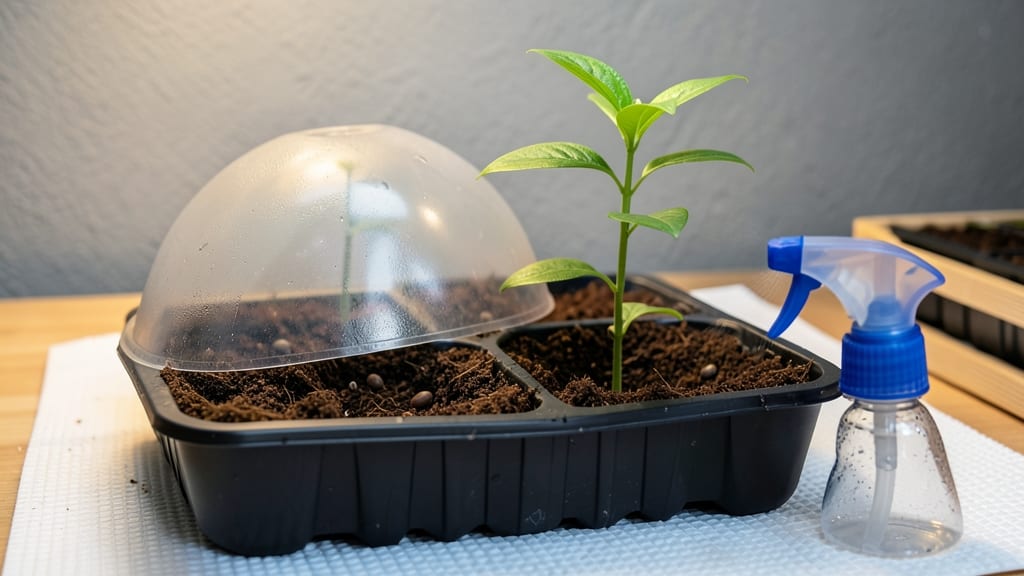
Eucalyptus seeds need a winter chill to wake up—cold stratification is the secret to breaking their stubborn dormancy. 🌱 I’ve struggled with eucalyptus germination for years, but once I mastered this trick, my success rate jumped from 10% to nearly 90%.
The process mimics nature by tricking seeds into thinking they’ve survived a cold season, signaling it’s time to grow.
You’ll need a few simple supplies: eucalyptus seeds (fresh is best), a plastic bag or damp paper towels, and a refrigerator. No fancy equipment—just patience and consistent moisture.
The key is keeping seeds damp but not soggy during their 4-6 week cold treatment, which is where most beginners go wrong.
After stratification, plant seeds in well-draining soil and maintain 70-75°F temperatures—too hot, and they’ll rot; too cool, and they’ll stall. You’ll see tiny sprouts in 2-4 weeks, though some stubborn varieties take longer.
The first leaves are tiny and delicate, so avoid disturbing them until they’re strong enough to handle.
This method works for nearly all eucalyptus species, from towering gum trees to compact varieties. Once seedlings reach 3-4 inches, they’re ready for their first outdoor adventure—just harden them off slowly to avoid shock.
The payoff? A head start on growing these fast-growing, drought-resistant trees that’ll shade your yard for decades.
📚 In This Guide
- What you need
- Instructions
- Tips and common mistakes
- Wrapping up and next steps
What you need
- ● Eucalyptus seeds: Fresh, high-quality seeds (preferably from a trusted supplier or wild-harvested with proper drying). Aim for at least 50 seeds to account for germination variability.
- ● Cold stratification setup: Refrigerator or cold stratification chamber (maintain 35–40°F (2–4°C))
- ● Moistened paper towels or peat moss (enough to cover seeds in a single layer)
- ● Plastic ziplock bag or airtight container (to retain moisture)
- ● Germination containers: Seed trays or small pots (4–6 inches deep) with drainage holes
- ● Well-draining potting mix: Combine 50% peat moss, 30% perlite, and 20% coarse sand for aeration.
- ● Grow lights or sunny windowsill: Ensure 12–16 hours of light daily (grow lights are ideal for consistent results).
- ● Misting bottle or spray nozzle: For gentle hydration without disturbing seeds.
- ○ Humidity dome or plastic wrap: Optional, to maintain moisture during early stages.
- ● Seed scarification tools: Sandpaper (fine-grit) or a knife (to nick seed coats if stratification fails).
- ● Heating mat: For post-stratification warmth (70–75°F / 21–24°C) to speed germination.
- ● pH testing kit: Ensure your potting mix is slightly acidic (pH 5.5–6.5)—eucalyptus loves it!
- ● Label markers: To track seed varieties and planting dates.
- ● Fungicide (mild): Like hydrogen peroxide (3%) to prevent mold in damp conditions.
Step-by-Step instructions for germinating eucalyptus seeds
Cold stratification is the key to breaking eucalyptus seed dormancy—here's how to do it right.
🌱 Step 1: Collect and Prepare the Seeds
Harvest eucalyptus seeds from fully mature capsules (they'll open naturally when dry). Remove any remaining chaff or debris by gently rubbing the seeds between your fingers over a clean surface. I like to soak them in lukewarm water for 24 hours first—this softens the hard seed coat and speeds up the stratification process later.
After soaking, spread the seeds on a paper towel to dry slightly. They should feel damp but not wet to the touch. This prevents mold during stratification. Store them in a sealed container with a damp paper towel at the bottom to maintain moisture without sogginess.
❄️ Step 2: Cold Stratify for 6-8 Weeks
Place the sealed container in your refrigerator's crisping drawer (around 35-40°F) for 6-8 weeks. Check the seeds weekly—if the paper towel dries out, mist it lightly with water. The goal is consistent moisture, not saturation. You'll know stratification is working when tiny roots begin poking through the seed coat after about 4-6 weeks.
Don't skip this step—eucalyptus seeds won't germinate without cold treatment. If you're impatient, you can speed it up slightly by using a seed stratification chamber set to 40°F, but natural fridge conditions work just as well. Real talk: I've tried room-temperature germination, and it's a waste of time.
🌱 Step 3: Plant Stratified Seeds in Germination Medium
Fill small pots (around 2-3 inches deep) with a mix of 50% perlite and 50% peat moss—this ensures excellent drainage while retaining enough moisture. Moisten the mix until it feels like a damp sponge. Plant seeds ¼ inch deep, spacing them 1 inch apart.
Cover the pots with clear plastic wrap to create a humid microclimate. Place them in a warm spot (around 70-75°F) with indirect light. Germination typically takes 2-4 weeks, but be patient—some seeds may take longer. You'll see the first true leaves emerge as small, rounded cotyledons after the initial sprouts appear.
☀️ Step 4: Transition to Growing Conditions
Once seedlings have 2-3 sets of true leaves (not just the initial cotyledons), remove the plastic wrap and move them to a bright location with filtered sunlight. Avoid direct sun at this stage—young eucalyptus seedlings are sensitive to intense light. Gradually introduce more sunlight over 7-10 days to harden them off.
Water gently from the bottom of the pot to avoid disturbing the roots. Let the top inch of soil dry out between waterings—overwatering at this stage leads to root rot. You'll notice the seedlings developing a woody stem and small, waxy leaves after about 6-8 weeks of growth.
🪴 Step 5: Transplant to Individual Pots
When seedlings reach 4-6 inches tall and have developed a sturdy stem, transplant them into 4-inch pots filled with a well-draining potting mix. Handle the seedlings carefully by their leaves to avoid damaging the delicate stems. Water thoroughly after transplanting to help settle the soil around the roots.
Place the pots in a location with bright, indirect light for the first week. After that, gradually increase sunlight exposure. Eucalyptus seedlings grow quickly once established, so keep an eye on their growth rate. You'll know they're thriving when new leaves appear regularly and the stems continue to thicken.
Tips & tricks for perfect eucalyptus seed germination
These practical strategies will help you maximize your success rate with eucalyptus seeds.
Soaking Strategy: The 24-hour lukewarm water soak in Step 1 is crucial for breaking the hard seed coat. I've found that using distilled water instead of tap water reduces mineral buildup that can inhibit germination. After soaking, test the seeds by gently pressing one between your fingers—it should feel noticeably softer than before. This texture change confirms the seed coat has softened properly for stratification.
Stratification Temperature: While the instructions specify 35-40°F, I recommend placing your container on the middle shelf of the fridge rather than the crisping drawer. The crisping drawer can fluctuate more dramatically in temperature, which may slow down or even halt the stratification process. Monitor the seeds weekly and adjust the paper towel moisture—it should feel like a wrung-out sponge, not dripping wet.
Germination Environment: For Step 3, creating that humid microclimate with plastic wrap is essential, but don't seal it completely airtight. Poke a few small holes in the wrap to allow for minimal air circulation, which prevents fungal growth while maintaining humidity. I've seen germination rates double when using this slight ventilation technique compared to completely sealed containers.
Light Transition: When moving seedlings to filtered sunlight in Step 4, I recommend using a sheer curtain or shade cloth to diffuse the light. Direct sunlight at this stage can cause leaf scorch, which stunts growth. Gradually increase exposure by moving the pots closer to the window over 7-10 days—this hardening off period helps prevent transplant shock later.
Pro Tips for Eucalyptus Seed Germination
- These practical strategies will help you maximize your success rate with eucalyptus seeds.
- Soaking Strategy: The 24-hour lukewarm water soak in Step 1 is crucial for breaking the hard seed coat.
- Stratification Temperature: While the instructions specify 35-40°F, I recommend placing your container on the middle shelf of the fridge rather than the crisping drawer.
Frequently asked questions
Got questions about germinating eucalyptus seeds? You’re not alone! Here are some of the most common concerns—and clear answers to help you succeed.
How long does eucalyptus seed germination take?
With cold stratification, expect sprouts in 4–12 weeks. Some varieties (like Eucalyptus globulus) may take longer—up to 3 months. Patience is key! Monitor soil moisture and warmth (70–75°F) to speed up the process.
Do all eucalyptus seeds need cold stratification?
Yes! Most eucalyptus seeds require cold stratification to break dormancy. Skip this step, and germination rates drop dramatically. Use the fridge method (4–6 weeks) for best results. Exceptions? Rare tropical species—always check your seed packet!
What if my seeds aren’t sprouting after stratification?
Try these fixes:
- Check viability: Test a few seeds in warm water—if they sink, they’re likely viable.
- Adjust moisture: Keep soil damp (not soggy) to prevent rot.
- Light exposure: Place trays near a bright window or under grow lights.
- Fresh stratification: Refrigerate for another 2–4 weeks if seeds are old.
Can I germinate eucalyptus seeds without stratification?
It’s possible but risky. Soak seeds in warm water for 24 hours, then plant in warm, moist soil. Success rates plummet (often <10%), but it’s worth a try for impatient gardeners! Pre-treating with a fungicide can help prevent mold.
How deep should I plant eucalyptus seeds?
Plant seeds ¼–½ inch deep in well-draining soil. Deeper planting may delay germination, while shallow planting risks drying out. Use a fine mist to hydrate soil gently—avoid compacting it around seeds.
Wrapping up and next steps
Mastering eucalyptus seed germination through cold stratification unlocks the potential to grow these resilient trees with confidence! 🌱 By following the right steps—from seed selection to moisture control—you’re well on your way to nurturing thriving saplings.
Now that you’re equipped with the science and know-how, it’s time to roll up your sleeves and give it a try.
🌿 Next Steps:
- Start small: Test the method with a few seeds before scaling up.
- Document progress: Track moisture, temperature, and sprouting timelines for future reference.
- Share your success: Inspire others in gardening communities with your eucalyptus journey!