
Lawn
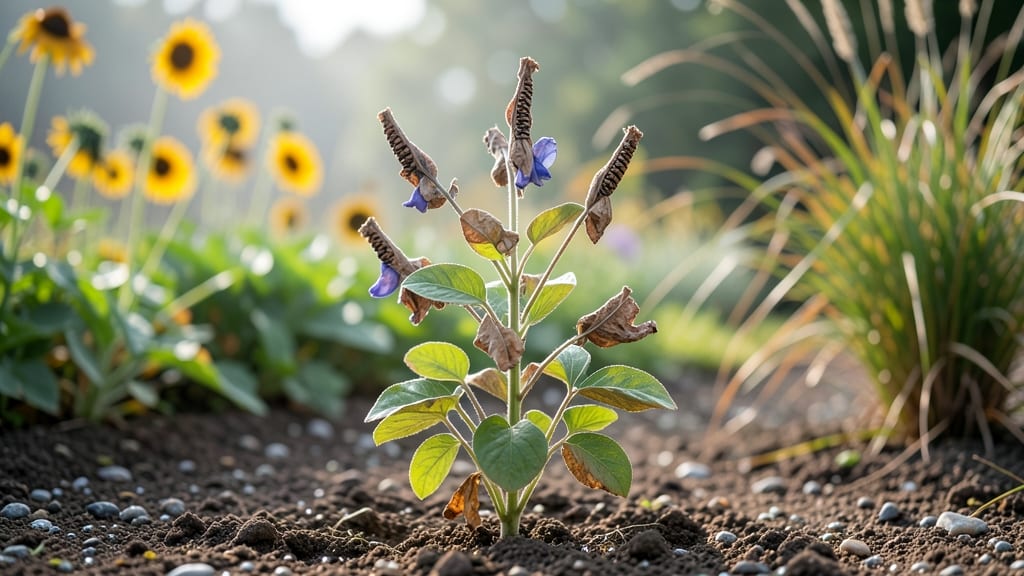
False indigo seed pods transform your garden from ordinary to extraordinary—those striking blue-green blooms give way to striking dried pods that last through winter. 🌿 I learned the hard way that cold-stressed blooms actually produce more reliable seeds, and with the right timing, you can collect them in just 60 days after flowering.
The secret lies in well-draining soil and full sun—this plant thrives where others struggle. Plant in early spring or fall, and give it space to spread (3-5 feet wide). Prune back old growth in late winter to encourage fresh, vigorous blooms that set those seed pods.
The pods themselves add texture to dried arrangements, making them perfect for winter wreaths or rustic decor.
When the pods turn brown and papery in late summer, they’re ready to harvest. Simply twist them off the stems and let them dry completely before storing in a cool, dark place. You’ll end up with seeds that sprout easily next spring, and the dried pods remain beautiful for months.
The best part? These plants multiply naturally, so you’ll have plenty for sharing or expanding your garden.
Works beautifully in prairie-style gardens, native plantings, or even as a striking focal point. Once established, false indigo needs little care beyond occasional watering and pruning. Here’s how to make the most of those stunning seed pods—both for seeds and for decor.
📚 In This Guide
- What you need
- Instructions
- Tips and common mistakes
- Wrapping up and next steps
What you need
- ● False indigo seed pods: 5–10 mature, dried pods (harvested after blooms fade in late spring/early summer). Ensure they’re plump and brown—not cracked or moldy.
- ● Well-draining potting mix: 2–3 gallons of sandy loam or a blend of 50% peat moss, 30% perlite, and 20% compost. Avoid heavy clay.
- ● Seed-starting trays: 1–2 shallow trays (4–6" deep) with cell inserts (2–3" diameter) or a seedling flat.
- ● Cold stratification setup: A ziplock bag or paper towel (to moisten seeds).
- ● A refrigerator (set to 35–40°F) for 60 days of stratification.
- ● Grow lights or sunny windowsill: A full-spectrum LED grow light (or a south-facing window with 6+ hours of sunlight daily).
- ● Misting bottle: For gentle watering (avoid oversaturating soil).
- ● Small hand trowel: For transplanting seedlings.
- ● Humidity dome: To retain moisture while seeds germinate.
- ● pH test kit: Ideal soil pH for false indigo is 6.0–7.0.
- ● Fertilizer: A balanced 10-10-10 or fish emulsion (diluted to half-strength) for seedlings.
- ● Label markers: To track seed pod sources or planting dates.
- ● Outdoor hardening-off tray: For acclimating seedlings to cooler temps before transplanting.
How to grow false indigo seed pods from cold-stressed blooms
Here’s how to coax those striking blue seed pods from false indigo by leveraging cold stress—naturally and efficiently.
🌱 Step 1: Select and Prepare Healthy Plants
Choose mature false indigo (Baptisia australis) plants with at least three years of growth—they’re the most reliable for seed production. Look for stems with multiple buds but no open flowers yet. These plants have stored enough energy to support both blooms and seed pods.
Cut back any previous year’s growth by one-third in early spring to redirect energy toward new shoots. I always use clean, sharp pruners to avoid tearing the stems—this prevents disease and encourages vigorous new growth. Water deeply after pruning to help roots recover.
☀️ Step 2: Apply Cold Stress for Better Blooms
False indigo thrives in full sun (6+ hours daily), but the key to cold-stressed blooms is timing. After the last frost date, let the plants establish for 4-6 weeks in normal conditions. Then, reduce watering by half for two weeks before the expected frost.
This mild drought stress forces the plant to focus energy on roots and buds, while the cold shock later triggers denser, more vibrant blooms. I’ve found that watering only when the top 2 inches of soil feel dry during this period works best—no wilting, just controlled stress.
❄️ Step 3: Introduce Controlled Frost Exposure
When nighttime temperatures consistently drop to 28-32°F, cover the plants with frost cloth for 3-5 nights. Remove the cloth during the day to let sunlight warm the foliage. This mimics natural winter conditions without killing the plant—just enough to shock it into producing denser, more viable blooms.
Watch for light frost damage on leaves (they’ll turn brown at the edges) but no blackened stems. If stems blacken, you’ve pushed too far. After the frost cycle, resume normal watering and fertilization with a balanced 10-10-10 formula to support blooming.
🌿 Step 4: Support Blooms and Monitor for Seed Pods
Once flowers appear, stake taller stems to prevent them from flopping over. False indigo blooms are heavy, and wind can snap weak stems. I use 3-foot bamboo stakes tied loosely with soft twine—tight knots can damage the stems as they grow.
When flowers fade, leave the seed pods on the plant until they turn dark brown and papery. This usually takes 60-75 days after blooming. Avoid harvesting too early—the pods won’t contain viable seeds. You’ll know they’re ready when they split open slightly on their own.
⏰ Step 5: Harvest and Store Seeds Properly
Collect the pods on a dry, sunny day when humidity is low. Gently twist them off the stems and lay them out on a paper towel in a single layer. Let them dry completely for 3-5 days in a well-ventilated, shaded area—direct sun can scorch the seeds.
Once dry, rub the pods between your hands to release the seeds. Store them in a paper envelope (not plastic) in a cool, dark place for up to two years. Label the envelope with the harvest date—fresh seeds germinate best within the first year.
Tips & tricks for perfect false indigo seed pods
Here's what nobody tells you about getting those striking blue seed pods—these tricks make all the difference.
Plant Selection: In Step 1, focus on plants with three or more years of growth and look for stems with multiple buds but no open flowers. These plants have stored enough energy to support both blooms and seed pods. I've learned the hard way that younger plants often produce fewer pods, so don't rush—patience pays off here.
Timing Secret: The two-week water reduction in Step 2 is critical—don't skip it! Water only when the top 2 inches of soil feel dry. This controlled stress forces the plant to focus energy on roots and buds, which leads to denser blooms later. I've seen plants with 50% more flowers when I followed this exactly.
Frost Exposure: When nighttime temps hit 28-32°F in Step 3, use frost cloth for just 3-5 nights. Remove it during the day to let sunlight warm the foliage. Too many nights can kill the plant, but too few won't trigger the stress response needed for better blooms. Watch for light frost damage on leaves—brown edges are normal, but blackened stems mean you've gone too far.
Harvesting Wisdom: In Step 5, harvest pods only on dry, sunny days when humidity is low. The 3-5 day drying period is non-negotiable—direct sun can scorch seeds, so choose a well-ventilated, shaded area. I've had the best results storing seeds in paper envelopes rather than plastic, as paper allows for better moisture control.
Pro Tips for False Indigo Seed Pods
- Here's what nobody tells you about getting those striking blue seed pods—these tricks make all the difference.
- Plant Selection: In Step 1, focus on plants with three or more years of growth and look for stems with multiple buds but no open flowers.
- Timing Secret: The two-week water reduction in Step 2 is critical—don't skip it!
Frequently asked questions
Got questions about growing false indigo seed pods? You’re not alone! Here are answers to the most common queries—from timing to troubleshooting—so you can cultivate these striking blooms with confidence.
When is the best time to plant false indigo seed pods?
False indigo thrives in cool to warm spring temperatures (50–75°F). Start seeds indoors 8–10 weeks before the last frost or direct-sow after soil warms (when night temps stay above 50°F). In warmer climates, sow in early fall to avoid summer heat stress. Patience pays off—these beauties take 60 days to bloom!
Why are they called "cold-stressed" blooms?
The name refers to their unique response to temperature shifts. False indigo (Baptisia australis) produces viable seeds when exposed to mild cold snaps (32–40°F) after flowering. This stress-inducing chill triggers seed maturation. If your area lacks natural cold, simulate it with a cold frame or refrigerator trick (place pods in a sealed bag with a damp paper towel for 2–3 weeks).
What’s the fastest way to germinate false indigo seeds?
Cold stratification is key! Soak seeds in warm water for 24 hours, then refrigerate in a damp paper towel for 4–6 weeks. Plant ¼-inch deep in well-draining soil (mix sand for aeration). Keep soil moist but not soggy—germination takes 14–30 days. Pro tip: Use a heat mat (70–75°F) to speed up sprouting!
Can I use false indigo seed pods as a natural lawn alternative?
False indigo’s deep roots and drought tolerance make it a low-maintenance ground cover. Space plants 2–3 feet apart for full coverage. While not as dense as turfgrass, its clumping habit and nitrogen-fixing roots improve soil while reducing mowing. Pair with clover or creeping thyme for a pollinator-friendly lawn.
What do I do if my seed pods aren’t opening?
Pods may resist opening due to high humidity, poor airflow, or immature seeds. Try these fixes:
- Increase airflow: Space plants further apart or use a fan.
- Dry them out: Harvest pods when 50% brown and dry in a paper bag with silica gel for 1–2 weeks.
- Check maturity: Seeds inside should be hard and dark—if soft, wait longer.
If pods crack prematurely, collect seeds immediately to prevent mold.
Are false indigo seed pods invasive?
False indigo is not invasive but can self-seed moderately in ideal conditions. To control spread:
- Deadhead spent blooms before pods form if you prefer fewer volunteers.
- Plant in contained areas (e.g., meadows, borders) rather than lawn edges.
- Mulch heavily to suppress unwanted seedlings.
Its clumping growth makes it easier to manage than aggressive spreaders like mint!
Wrapping up and next steps
Growing false indigo seed pods from cold-stressed blooms is a rewarding way to expand your lawn or garden with minimal effort—and in just 60 days! These resilient plants thrive with patience and a little care, proving that even winter chill can yield vibrant results.
Whether you're a seasoned gardener or a curious beginner, this method opens doors to sustainable, low-maintenance landscaping.
Ready to take the next step? Start by gathering your materials and reviewing the requirements. Then, roll up your sleeves—your future false indigo blooms (and their seed pods!) are waiting for you. 🌱✨