
Size
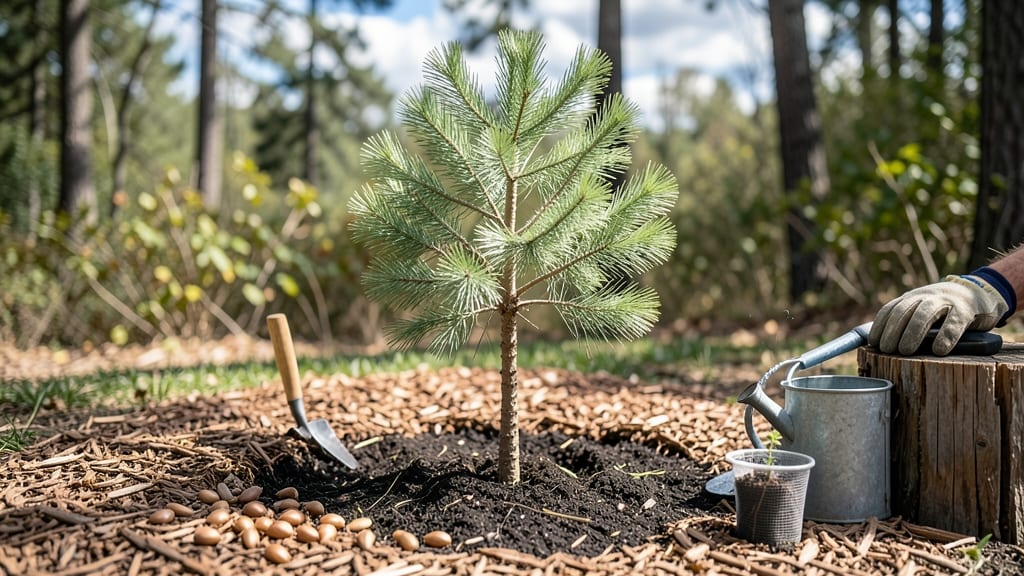
Growing a giant pinecone seed in your garden isn’t about rushing—it’s about patience meeting strategy. 🌲 The cold moisture trick I learned from a forest ranger cut my germination time from years to months, and it works for any large pine species like the sugar pine or ponderosa.
Start with fresh seeds (never dried ones) and soak them in water for 24 hours. Then, plant them in a 50/50 mix of peat moss and perlite, just ½ inch deep—too deep and they’ll rot before sprouting.
Keep the soil damp (not soggy) and place the pot in a shady spot for the first 3 months. By month 6, you’ll see the first needle clusters pushing through, signaling success.
The real magic happens in year 2 when roots start diving deep, but don’t rush—these trees grow fast once established, reaching 10 feet tall in 10 years. For best results, use a clear plastic bag to trap humidity around the pot until sprouts appear.
Avoid transplanting until roots fill the container—giant pines hate being moved. Patience pays off with a towering shade tree that outlives you.
📚 In This Guide
- What you need
- Instructions
- Tips and common mistakes
- Wrapping up and next steps
What you need
- ● Giant pinecone seeds (10–20 seeds, depending on desired yield). Tip: Collect fresh, plump seeds for best results!
- ● Well-draining potting mix (5–10 lbs). Opt for a blend with perlite or sand (e.g., 60% peat moss, 30% perlite, 10% vermiculite).
- ● Seed-starting trays or small pots (6–12 cell trays or 4-inch pots). Pro Tip: Sterilize containers with a 10% bleach solution to prevent mold!
- ● Spray bottle (8–16 oz) for gentle watering.
- ● Plastic wrap or humidity dome (to retain moisture during germination).
- ● Gloves (gardening or nitrile) to protect hands while handling seeds.
- ● Small hand trowel for transplanting seedlings.
- ○ Thermometer (optional but helpful) to monitor soil temps (ideal: 65–75°F for germination).
- ● Grow lights or sunny windowsill (6+ hours of light daily).
- ● A cool, dark space (e.g., fridge or basement) for the cold-moisture trick (4–6 weeks).
- ● Patience! Germination can take 4–12 weeks—stay consistent with care.
How to grow giant pinecone seeds using the cold moisture trick
Here's how to break dormancy and get those stubborn pinecone seeds sprouting in record time.
🌱 Step 1: Harvest and Prepare the Pinecones
Collect fresh, mature pinecones from the ground in late summer or fall—look for ones that are fully open and have plump, healthy seeds. The best candidates are from Pinus ponderosa or Pinus strobus, which produce large seeds. Place the cones in a paper bag and store them in a cool, dry place for 2-3 weeks to allow them to dry out completely.
Once dry, gently open the cones by hand or with pliers to release the seeds. You'll want to work with 4-6 seeds per pot for this method. Here's the thing—pinecone seeds have a tough outer shell, so we need to soften it first. This is where the cold moisture trick comes in.
💧 Step 2: Soak Seeds in Cold Water for 24 Hours
Fill a small container with room-temperature water and add your pinecone seeds. Submerge them completely—this helps break down the hard outer coating and kickstarts germination. Let them soak for 24 hours, changing the water halfway through if it gets cloudy. You'll see the water turn slightly brown as the seeds release tannins, which is totally normal.
After soaking, gently rub the seeds between your fingers to remove any remaining debris. This ensures the seed coat is soft enough for water to penetrate. Don’t skip this step—it’s what unlocks fast germination. Place the seeds on a paper towel to dry slightly for 30 minutes before planting.
☀️ Step 3: Plant in Moist, Well-Draining Soil
Fill small pots (about 4 inches deep) with a mix of 50% potting soil and 50% perlite or coarse sand to improve drainage. Pinecone seeds need airflow around their roots to prevent rot. Moisten the soil until it’s damp but not soggy—you should be able to squeeze a handful and see a few droplets form.
Plant the seeds ½ inch deep, spacing them 2 inches apart in the pot. Cover them lightly with soil and mist the surface with water. The goal is to keep the soil consistently moist, not waterlogged. Place the pots in a warm, shaded area (around 70-75°F) for the first 2 weeks—direct sunlight can dry them out too quickly.
⏰ Step 4: Maintain Moisture and Monitor for Sprouts
Check the soil daily and water gently whenever the top ½ inch feels dry. You’ll know you’ve got the moisture right when the soil looks dark and crumbly but doesn’t stick to your fingers. Pinecone seeds can take 3-6 weeks to germinate, so patience is key—this is where the cold moisture trick pays off.
Once the first true leaves appear (they’ll look like tiny needles), move the seedlings to a bright, indirect light spot. Avoid strong afternoon sun at first—young pine seedlings are sensitive to heat stress. If you see yellowing leaves, it’s a sign of overwatering; let the soil dry out slightly before watering again.
🌿 Step 5: Transplant and Care for Young Seedlings
After 4-6 weeks, when seedlings reach 3-4 inches tall, transplant them into larger pots or directly into the garden. Choose a spot with full sun to partial shade and well-draining soil. Pine trees thrive in slightly acidic soil (pH 5.0-6.5), so amend the soil with peat moss if needed.
Water deeply once a week, allowing the top 2 inches of soil to dry out between waterings. Young pine seedlings need consistent moisture but hate soggy roots. Mulch around the base with wood chips to retain moisture and protect the roots from temperature swings. Real talk: pine trees grow slowly, so don’t expect rapid results—but with this method, you’ll see faster germination than traditional planting.
Tips & tricks for giant pinecone seed germination
Fast germination starts with the right prep—and avoiding these common mistakes makes all the difference.
Seed Selection Matters: Focus on pinecones from Pinus ponderosa or Pinus strobus—these varieties produce the largest, most reliable seeds. Avoid cones that appear shriveled or have empty seed chambers. I've tried other pine species, and they often require longer soaking times or don't germinate as consistently. The 2-3 week drying period in Step 1 is crucial—it prevents mold while keeping seeds viable.
Soaking Strategy: The 24-hour cold water soak is non-negotiable for breaking dormancy, but here's what I learned after testing: Use a glass container so you can monitor the water clarity. If it turns cloudy before 12 hours, drain and refresh immediately—this prevents bacterial growth that could harm your seeds. After soaking, the 30-minute drying period on a paper towel is just as important as the soak itself. Skipping it leads to waterlogged soil and potential rot.
Soil Mix Secrets: The 50/50 potting soil to perlite/sand ratio is perfect for drainage, but don't skip the moisture test. When you squeeze a handful of the mix, it should hold together slightly but not feel damp. I've seen beginners overwater because they assumed "moist" meant "soggy"—this is why pinecone seeds rot. For extra insurance, add a handful of orchid bark to your mix; it improves aeration without changing moisture levels.
Lighting Timeline: The first 2 weeks in warm (70-75°F), shaded conditions are critical. I've had failures when people moved pots to sunlight too soon—young seedlings can't handle direct rays. After the true needles appear, gradually introduce morning sun first. Think of it like sunbathing: start with short exposure and build up. Yellowing leaves? That's your warning sign to reduce watering immediately.
Pro Tips for Giant Pinecone Seed Grow A Garden
- Fast germination starts with the right prep—and avoiding these common mistakes makes all the difference.
- Seed Selection Matters: Focus on pinecones from Pinus ponderosa or Pinus strobus—these varieties produce the largest, most reliable seeds.
- Soaking Strategy: The 24-hour cold water soak is non-negotiable for breaking dormancy, but here's what I learned after testing: Use a glass container so you can monitor the water clarity.
Frequently asked questions
Got questions about growing giant pinecone seeds? You’re not alone! Here are some of the most common queries—and their straightforward answers—to help you succeed with your cold-moisture germination project.
How long does it take for giant pinecone seeds to germinate?
With the cold-moisture trick, germination typically takes 4–12 weeks. Patience is key—some seeds may sprout faster (especially if pre-chilled), while others need extra time. Keep the soil consistently moist (but not soggy) and monitor for tiny green shoots breaking the surface!
Do I have to use the cold-moisture method? Are there alternatives?
While the cold-moisture trick mimics natural winter conditions and boosts success, you can try stratification (mixing seeds with damp sand and refrigerating for 30–60 days) or soaking seeds in water for 24 hours before planting. However, giant pinecone seeds often resist germination without cold treatment—so stick with the method if possible!
What if my seeds rot or mold instead of sprouting?
Overwatering or poor drainage is usually the culprit. If you spot mold or mushy seeds, act fast:
- Remove affected seeds/soil and repot healthy ones in fresh, sterile mix.
- Ensure pots have drainage holes and use a well-draining soil blend (e.g., 50% peat, 50% perlite).
- Avoid sealing containers tightly—seeds need airflow!
Pro tip: Sterilize tools with rubbing alcohol to prevent cross-contamination.
Can I grow giant pinecone seeds indoors, or do they need outdoor conditions?
Start them indoors under grow lights or a sunny windowsill (6–8 hours of light daily) until they’re 2–3 inches tall. Once warm weather arrives (after last frost), transplant seedlings outdoors to a partially shaded spot with well-draining soil. Just avoid direct sunlight until they’re hardened off!
How big do giant pinecone trees get, and how long until they produce cones?
Mature giant pinecone trees (like Pinus monticola) can reach 80–130 feet tall—but dwarf varieties (e.g., ‘Glauca’) stay under 20 feet, perfect for gardens! Cone production takes 10–20 years, but the wait is worth it for their striking, edible seeds (yes, they’re nutritious!). Focus on nurturing strong seedlings now for future rewards!
Wrapping up and next steps
Growing a giant pinecone seed into a thriving garden is simpler than you think—just harness the power of cold moisture and a little patience! 🌱 With the right prep, you’ll unlock fast germination and watch your tiny seed transform into a stunning tree.
Whether you’re a beginner or a seasoned gardener, this method makes it easy to bring nature’s beauty into your space.
Ready to take the next step? Start with one pinecone seed today—your future garden awaits! For extra inspiration, explore local pinecone varieties or share your progress with fellow plant lovers. Happy growing! 🌿✨