Propagation
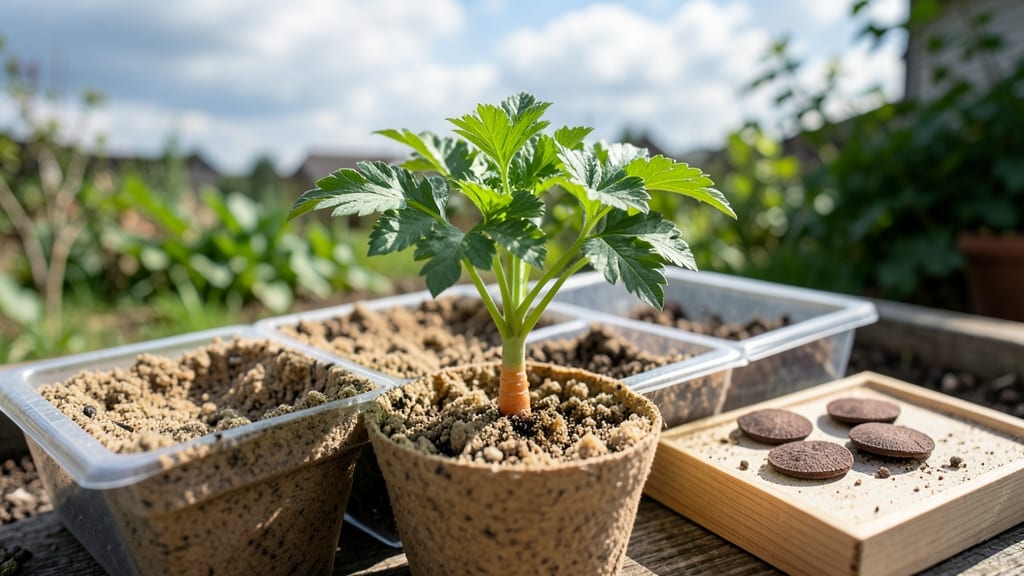
Growing carrots from seed in pots turns tiny balconies into harvests of crisp, sweet roots. 🌱 I killed my first batch by planting too shallow—now I know the secret is deep containers and patience.
These orange gems thrive in pots when given the right conditions, and you can grow them anywhere with just a sunny spot and consistent care. The magic happens in 10-inch-deep pots filled with loose, sandy soil—no rocks or clumps.
Scatter seeds thinly (they germinate fast) and keep them moist until green shoots appear. Most varieties like 'Paris Market' or 'Little Finger' stay compact enough for containers, while heirlooms like 'Danvers' need extra depth. A south-facing window or afternoon sun gives them the energy to grow straight and strong.
By midseason, you'll pull 12-15-inch carrots from pots—sweet, tender, and free of the forking that plagues shallow soil. The key is gentle watering (no soggy roots) and thinning seedlings early to avoid competition. Even my black thumb gets perfect results with this method.
Works for city balconies, patio edges, or even indoor grow lights. The only challenge is patience—carrots take 70-80 days to mature, but every bite is worth the wait.
📚 In This Guide
- What you need
- Instructions
- Tips and common mistakes
- Wrapping up and next steps
What you need
- ● Carrot seeds: Choose a variety suited for containers, like 'Paris Market' (short, round) or 'Little Finger' (sweet and compact). Aim for 1–2 grams (about 100–200 seeds) per pot.
- ● Containers: Pots at least 12 inches deep (deeper is better for longer varieties). Use 3–5 pots if planting multiple seeds for better yield.
- ● Potting mix: Lightweight, well-draining soil blend (avoid garden soil—it’s too dense!). A 5-gallon bag should suffice for 3–4 pots.
- ● Organic compost: Mix in 1–2 cups per pot to enrich the soil.
- ● Watering can or spray bottle: For gentle, even moisture without disturbing seeds.
- ● Plant labels: Small stakes or markers to track varieties and planting dates.
- ● Seed-starting tray: If you’re pre-sprouting seeds indoors (great for cooler climates).
- ● Grow lights or sunny windowsill: For seedlings needing extra warmth (6–8 hours of light/day).
- ● Fertilizer: A balanced, low-nitrogen option (like 5-5-5) to avoid leafy growth over roots. Use sparingly—½ teaspoon per pot every 4–6 weeks.
- ● Mulch (straw or shredded leaves): To retain moisture and suppress weeds.
- ● Dibber or pencil: For making neat holes in soil when planting seeds.
How to grow carrots from seed in pots
Here’s how I grow sweet, straight carrots in containers—no deep garden bed required.
🪴 Step 1: Choose the Right Containers and Soil
Carrots need deep roots, so select pots that are at least 12 inches deep—standard 5-gallon buckets or long, narrow containers work best. I avoid wide, shallow pots because they encourage carrot forking (branching). Fill each pot with loose, stone-free potting mix—garden soil compacts and restricts root growth.
Tap the pot gently to settle the soil, then water it thoroughly until moisture runs freely from the drainage holes. This pre-moistening ensures even seed-to-soil contact. If your mix is too dense, mix in 20% perlite or vermiculite to improve aeration.
🌱 Step 2: Sow Seeds Thinly and Deeply
Scatter seeds ¼ inch deep—they’re tiny, so I use a toothpick to create shallow furrows. Space seeds 1 inch apart in rows 2 inches apart to prevent overcrowding. Planting too close forces carrots to compete for space, resulting in small, misshapen roots.
Cover lightly with soil and mist gently with water until the surface is damp but not soggy. Place the pots in a warm, sunny spot (65-75°F) for germination. You’ll see sprouts in 7-14 days—don’t rush to thin them yet. Wait until seedlings are 1 inch tall before carefully snipping excess plants with scissors.
☀️ Step 3: Provide Consistent Light and Water
Carrots need full sun (6+ hours daily) to develop sweetness and straight roots. If your pots are indoors, supplement with a grow light kept 6 inches above the plants. Without enough light, carrots grow leggy and bitter.
Water deeply every 2-3 days, keeping the soil evenly moist but not waterlogged. Check by sticking your finger 1 inch deep—if it feels dry, it’s time to water. Overwatering causes rot, while underwatering leads to woody, tough roots. Mulch the surface with 1 inch of straw to retain moisture and suppress weeds.
✂️ Step 4: Thin and Maintain for Straight Roots
When seedlings reach 2 inches tall, thin them to 3 inches apart—this gives roots room to grow straight. Use scissors to avoid disturbing the remaining plants. If you notice any yellowing leaves, it’s a sign of overcrowding or nitrogen deficiency. Add a balanced fertilizer (10-10-10) at half-strength every 4 weeks.
Gently loosen the soil surface monthly with a small fork to prevent compaction. Carrots need 12+ inches of depth to reach full size, so avoid disturbing the roots once they’re established. Harvest when the tops are 4-6 inches tall and the roots feel firm when pressed.
🌿 Step 5: Harvest and Store for Long-Term Use
Pull carrots gently by the greens to avoid breaking the roots. Rinse off soil and trim the tops to ½ inch to prevent drying. Store in a plastic bag in the fridge for up to 3 weeks, or preserve by canning, freezing, or fermenting for long-term use.
If you leave carrots in the pot too long, they’ll become tough and woody. I always harvest in batches—this keeps the soil fresh for a second planting. With the right containers and care, you’ll get sweet, homegrown carrots even in small spaces.
Tips & tricks for perfect container-grown carrots
These game-changing insights will help you avoid common pitfalls and grow carrots that rival garden-fresh quality—even in limited space.
Container Selection: The 12-inch depth requirement is non-negotiable for straight roots, but don't overlook drainage. I drill extra holes in the bottom of 5-gallon buckets to prevent waterlogging, which causes rot. For extra insurance, add a layer of pebbles at the bottom before your potting mix—this creates a natural drainage barrier while keeping roots aerated.
Seed Spacing Secret: When planting those ¼-inch deep seeds 1 inch apart in Step 2, I mark the rows with a chopstick before covering with soil. This prevents overcrowding and makes thinning easier later. Pro tip: If you're using a wide pot, create vertical dividers with cardboard to guide root growth downward instead of outward.
Light Intensity: The 6+ hours of full sun is crucial, but indoor growers often struggle. I position my pots on a south-facing windowsill and rotate them daily for even exposure. For grow lights, use a timer to maintain 12-14 hours of light daily—carrots need consistent light to prevent leggy growth. If leaves turn pale, they're not getting enough light.
Soil Maintenance: That monthly soil loosening in Step 4 is essential, but I take it further by adding 1 tablespoon of compost to each pot every 6 weeks. This keeps nutrients available without over-fertilizing. Watch for yellowing leaves—this signals nitrogen deficiency, not overwatering. A balanced fertilizer at half-strength every 4 weeks prevents this while avoiding salt buildup.
Pro Tips for Growing Carrots From Seed In Pots
- These game-changing insights will help you avoid common pitfalls and grow carrots that rival garden-fresh quality—even in limited space.
- Container Selection: The 12-inch depth requirement is non-negotiable for straight roots, but don't overlook drainage.
- Seed Spacing Secret: When planting those ¼-inch deep seeds 1 inch apart in Step 2, I mark the rows with a chopstick before covering with soil.
Frequently asked questions
Got questions about growing carrots in pots? You’re not alone! Here are some of the most common concerns—and their simple solutions—to help you cultivate crisp, homegrown carrots with confidence.
How deep should my pots be for growing carrots from seed?
Carrots need at least 12 inches of soil depth to grow properly. Shallow pots (under 8 inches) will stunt their roots, leaving you with tiny, misshapen veggies. Opt for deep containers (14+ inches) or stack pots if space is tight—just ensure good drainage!
When is the best time to plant carrot seeds in pots?
Carrots thrive in cool weather, so aim for early spring (2–4 weeks before last frost) or late summer (8–10 weeks before first frost). Avoid planting in scorching heat—seeds may dry out before sprouting. For year-round growth, use a cool greenhouse or shade cloth in hot climates.
Why are my carrot seeds not germinating in pots?
Low germination often stems from dry soil, old seeds, or poor light. Keep soil moist (not soggy) and cover seeds lightly with soil (¼ inch max). If seeds are over a year old, replant fresh ones. For faster sprouts, soak seeds in water for 24 hours before planting—or try a warm, sunny windowsill to speed things up.
Can I grow carrots in pots without using soil?
Yes! Try hydroponics or coconut coir for soil-free growth. Hydroponic setups let you control nutrients, while coir holds moisture well. However, carrots prefer loose, well-draining soil—mix hydroponic solutions with perlite or vermiculite for best results. For beginners, regular potting mix is still the easiest option.
How do I prevent pests like carrot flies or aphids in potted carrots?
Potted carrots are less vulnerable, but pests can still strike. Use row covers to block flies, and spray neem oil weekly for aphids. Keep pots clean and weed-free, and rotate crops if reusing containers. A reflective mulch (aluminum foil) can deter pests too!
Wrapping up and next steps
Growing carrots from seed in pots is a rewarding way to enjoy fresh, homegrown produce—even in small spaces! With the right containers, soil, and care, you can cultivate sweet, crisp carrots without a traditional garden. Start small, stay consistent, and soon you’ll be harvesting your own homegrown veggies.
Ready to take the next step? Experiment with different varieties or try growing other root vegetables like radishes or beets in pots! Happy gardening! 🌱✨