
Pruning
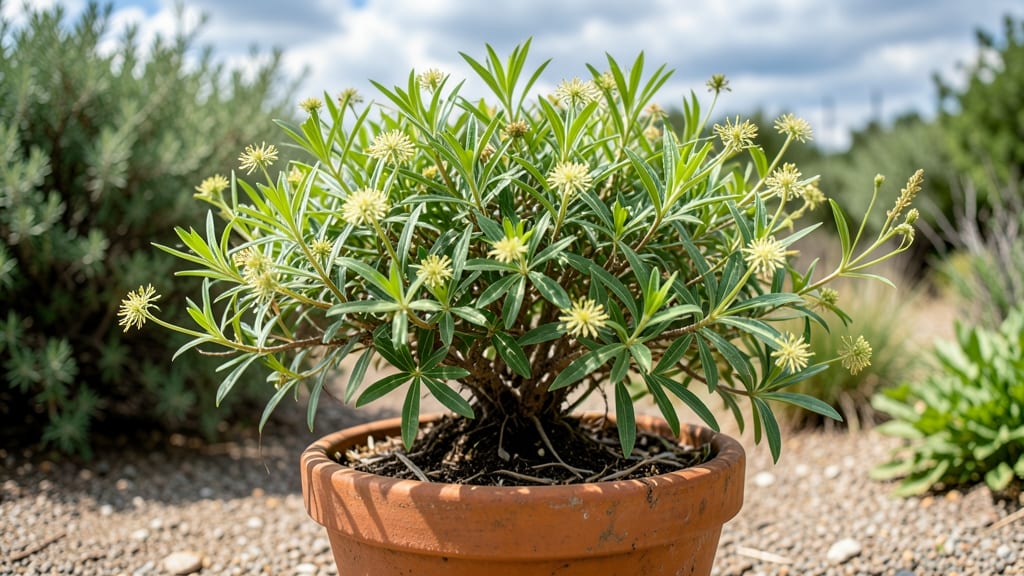
That silvery-green hopseed bush thrives in your driest corner with the right care—and it’s easier than you think. First, the basics: this tough plant wants full sun and well-draining soil—even sandy or rocky spots work.
Water deeply once a week in summer, then let it go dormant in winter. The real magic happens with pruning: cut back one-third of old growth in early spring to encourage new shoots, and trim spent seed heads in fall to keep it tidy. No shears? Your hands work fine.
What you’ll end up with is a bush that stays healthy year-round, even in heat waves or poor soil. The foliage turns brilliant red in fall, and those seed pods add texture to winter gardens. Plus, it’s deer-proof and drought-tolerant—perfect for low-maintenance landscapes.
Works just as well in containers as in the ground, making it ideal for small spaces or urban yards. Here’s how to keep yours thriving without overthinking it—because this plant’s already half a step ahead of you.
📚 In This Guide
- What you need
- Instructions
- Tips and common mistakes
- Wrapping up and next steps
What you need
- ● Pruning shears or loppers: Sharp, bypass-style shears (for small branches) or loppers (for thicker stems up to 1.5 inches). Pro tip: Sanitize blades with rubbing alcohol to prevent disease spread! 💡
- ● Gloves: Heavy-duty, gardening gloves (nitrile-coated for durability and protection from sap).
- ● Pruning saw: A hand pruning saw (for branches thicker than 1.5 inches).
- ○ Disinfectant (optional but recommended): 70% isopropyl alcohol or a commercial pruning sealant (like Tanglefoot Pruning Seal).
- ● Trash bags or bucket: For collecting pruned branches and debris (aim for 2-3 large bags per session).
- ● Watering can or hose: To hydrate the bush post-pruning (especially in dry climates).
- ● Marking twine or flags: For labeling branches to remove (if planning a phased pruning approach).
- ● Extension pole: A 3-6 ft telescoping pole with a saw attachment for hard-to-reach branches.
- ● Mulch: Organic mulch (like wood chips or straw) to retain moisture and protect roots after pruning.
- ● Fertilizer: A balanced, slow-release fertilizer (e.g., 10-10-10) to replenish nutrients post-prune.
- ● Safety glasses: If working with large branches or near power lines.
- ● Notebook or app: To log pruning dates, branch counts, and growth observations (e.g., Gardenate or PlantNet).
How to prune hopseed bushes for year-round health
Pruning keeps your hopseed bush thriving and productive—here’s my foolproof seasonal approach.
Prune New Growth in Early Spring
Start in late winter or early spring, just as new shoots begin to emerge. Look for any dead, damaged, or crossing branches and remove them first—this opens up the center for better airflow and sunlight. I always cut just above a leaf node or outward-facing bud to encourage healthy regrowth.
For the main structure, trim back any overgrown branches by about one-third of their length. This prevents the bush from becoming too dense and encourages bushier, more productive growth. Use clean, sharp pruners to make clean cuts—ragged edges invite disease. You’ll notice fresh green shoots appearing within a few weeks, signaling the plant is responding well.
Light Pruning During Summer Growth
Throughout the summer, keep an eye out for any branches that are growing inward or rubbing against each other. These should be pruned immediately to prevent damage and disease. I also trim back any overly long or leggy growth to maintain a compact shape—this ensures energy goes toward seed production rather than unnecessary height.
If you notice any yellowing or wilting leaves, check for pests or fungal issues. Remove affected foliage promptly, but avoid over-pruning. The goal is to maintain balance—you want enough leaves for photosynthesis but not so many that they crowd the bush. A light touch here keeps the plant happy without stressing it.
Heavy Pruning After Seed Harvest
Once you’ve harvested the seeds in late summer or early fall, it’s time for a more aggressive prune. Cut back about half of the oldest branches—these are the ones that produced seeds this year. Removing them encourages new growth from the base, which will be more vigorous and productive next season. I always prune in stages, removing a few branches at a time to avoid shocking the plant.
After pruning, give the bush a light feeding with a balanced fertilizer to support new growth. Water deeply but not excessively—you want the soil moist but not soggy. Within a few weeks, you’ll see fresh green shoots emerging from the base, ready to take over for next year’s harvest.
Winter Maintenance for Next Year’s Growth
In late fall or early winter, do a final check for any remaining dead or weak branches and remove them. While hopseed bushes are fairly hardy, a little cleanup now prevents issues like rot or pests from taking hold over winter. I also mulch around the base with 2-3 inches of organic mulch to protect the roots from freezing temperatures.
This is also a great time to plan your pruning strategy for next year. Take note of which branches produced the best seeds and which ones need more attention. A little preparation now means a healthier, more productive bush come spring. With consistent care, your hopseed bush will reward you with abundant growth and seed yield for years to come.
Tips & tricks for healthy hopseed bush pruning
Here's what nobody tells you about keeping your hopseed bush thriving year after year.
Timing is Everything: In Step 1, when pruning new growth in early spring, wait until you see those first tiny green shoots emerging—this is your cue to begin. I've learned the hard way that pruning too early can damage dormant buds, while waiting too long risks overcrowding. The ideal window is when shoots are about 2-3 inches tall, just as they begin to unfurl. This timing ensures you're cutting at the right growth stage without harming potential seed-producing branches.
The One-Third Rule: When trimming back overgrown branches in Step 1, remember that "one-third" refers to the length of the branch itself, not the bush's overall size. I often see people cut too aggressively, thinking they need to remove more to "open up" the plant. Instead, focus on maintaining that one-third reduction per branch—this balances air circulation with seed production potential. Think of it like giving each branch room to breathe while still keeping the bush's overall shape intact.
Seasonal Strategy: The most common mistake I see is treating all pruning the same year-round. In Step 2 during summer, you're maintaining shape and preventing disease, while in Step 3 after harvest, you're actually encouraging new growth by removing half the oldest branches. The key difference is intent—summer pruning is about preservation, while fall pruning is about renewal. Mark your calendar for these seasonal shifts to avoid confusing the two approaches.
Tool Prep Matters: Before you begin any pruning, take 5 minutes to clean and sharpen your pruners. Dull blades tear plant tissue, creating larger wounds that invite infection. I keep a small bottle of rubbing alcohol handy to wipe down blades between cuts, especially when dealing with diseased branches. This simple step can mean the difference between a healthy bush and one struggling with fungal issues after pruning.
Pro Tips for Hopseed Bush Care
- Here's what nobody tells you about keeping your hopseed bush thriving year after year.
- Timing is Everything: In Step 1, when pruning new growth in early spring, wait until you see those first tiny green shoots emerging—this is your cue to begin.
- The One-Third Rule: When trimming back overgrown branches in Step 1, remember that "one-third" refers to the length of the branch itself, not the bush's overall size.
Frequently asked questions
Got questions about keeping your hopseed bush (Dodonaea viscosa) thriving? You’re not alone! Here are some of the most common concerns—plus quick, actionable answers to keep your plant happy and productive.
How often should I prune my hopseed bush for best seed yield?
Prune your hopseed bush twice a year: once in late winter (just before new growth starts) to shape the plant and remove dead wood, and again in early summer after flowering to encourage fresh seed production. Light trimming between seasons keeps it tidy without stressing the plant.
Can hopseed bushes survive winter frost? What’s the best way to protect them?
Hopseed bushes are drought-tolerant but frost-sensitive—they thrive in USDA zones 9-11. If you’re in a colder zone, mulch the base with straw or bark to insulate roots. For young plants, wrap the canopy in frost cloth or move potted bushes to a sheltered spot until spring.
Why are my hopseed bush leaves turning yellow or dropping? Is it a disease?
Yellowing leaves often signal overwatering, nutrient deficiency, or pests. Check soil moisture—hopseed bushes prefer well-draining soil and hate soggy roots. Look for aphids or mites on undersides of leaves (spray with neem oil if needed). If yellowing persists, test soil pH (ideal: 6.0–7.5) and amend with compost.
Can I grow hopseed bushes in containers? What’s the best pot size?
Yes! Use a 5-gallon pot minimum (bigger = more stability) with drainage holes. Choose a lightweight mix of potting soil and perlite. Containers dry faster, so water deeply 2–3 times weekly in summer. Move pots to a sunny spot (6+ hours of light) and fertilize lightly every 2 months with a balanced organic fertilizer.
Are there any non-toxic alternatives to chemical pruning tools?
Use sharp, stainless-steel bypass pruners (like Felco or Corona) for clean cuts. For larger branches, a hand saw with a fine-tooth blade works best. Sterilize tools between cuts with rubbing alcohol to prevent disease spread. Avoid dull tools—they crush stems, inviting pests and rot.
Wrapping up and next steps
Caring for your hopseed bush doesn’t have to be complicated—with the right pruning techniques, you’ll enjoy lush growth and bountiful seeds year after year! 🌱 By mastering seasonal trimming, managing pests, and optimizing sunlight, you’re well on your way to a thriving plant.
Whether you’re a beginner or a seasoned gardener, these steps will help you keep your hopseed bush happy and productive.
Ready to take the next step? Start by scheduling your first pruning session this spring—your hopseed bush will thank you with vibrant foliage and delicious seeds! 🌟