Planting
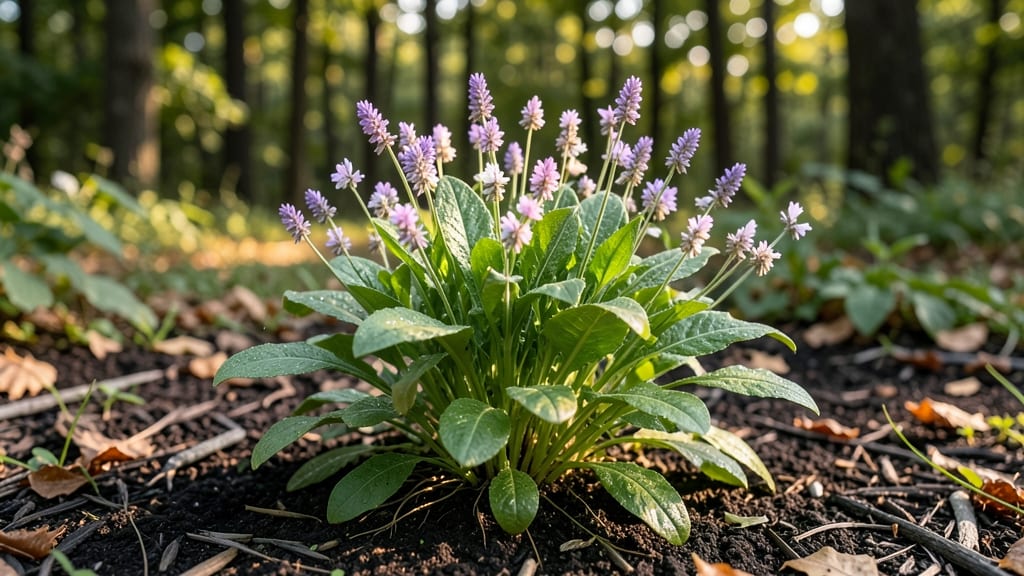
Planting wildflower seed paper transforms any space into a pollinator paradise with just a few minutes of work. 🌸 I've planted these lightweight sheets in everything from window boxes to meadow edges, and the results—vibrant blooms in just weeks—always surprise me.
The beauty of seed paper is that it requires almost no prep: just water, press, and wait. Unlike traditional seeds, the paper dissolves naturally, so you don’t need to dig or worry about depth. Even my black thumb gets results with this method.
You’ll see the first sprouts in 2-4 weeks, with full blooms arriving by early summer. The mix attracts bees, butterflies, and hummingbirds while adding color to borders, containers, or even cracks in pavement. Perfect for beginners, eco-conscious gardeners, or anyone who wants instant impact.
Here’s how to make it work—no green thumb required.
📚 In This Guide
- What you need
- Instructions
- Tips and common mistakes
- Wrapping up and next steps
What you need
- ● Wildflower seed paper – Choose a size that fits your space (e.g., 4"x6" or 8"x10" sheets). Pro tip: Some brands include a mix of native wildflowers for local pollinators!
- ● Water – A spray bottle or small watering can (avoid heavy streams to prevent washing away seeds).
- ● Scissors or craft knife – For cutting seed paper to size if needed.
- ○ Soil or planting area – Well-draining soil in pots, garden beds, or even crevices (like between pavers). Optional: Mix in compost for extra nutrients!
- ● Lightweight mulch or straw – A thin layer (¼ inch) to retain moisture and protect seeds.
- ● Planting tray or seedling pots – For starting seeds indoors before transplanting (great for cooler climates).
- ● Garden gloves – To keep hands clean while handling soil or seeds.
- ● Pebbles or decorative stones – For a polished look (place lightly on top after planting).
- ● Plant markers – If you’re planting multiple varieties, label them to track growth!
- ● Sunlight tracker – Check your space’s light conditions (most wildflowers thrive in full sun, 6+ hours/day).
Step-by-Step instructions for planting wildflower seed paper
Here's how to transform those delicate seed papers into vibrant meadows with minimal effort.
🌱 Step 1: Prepare Your Planting Site
Choose a location with 6+ hours of sunlight daily—wildflowers thrive where they get plenty of light. Clear the area of weeds or debris, but avoid tilling the soil, as wildflowers prefer natural, undisturbed ground. If your soil is compacted, lightly scratch the surface with a rake to create a rough texture that helps seeds make contact with the earth.
For containers, use a well-draining mix of 50% potting soil and 50% coarse sand or perlite. Pat the soil down lightly so it's firm but not packed—this prevents seeds from washing away when you water. The key is creating a loose, airy surface that mimics natural conditions where wildflower seeds would land.
💧 Step 2: Soak and Position the Seed Paper
Place the seed paper directly onto the prepared soil, with the printed side facing down. For containers, gently press the edges into the soil to secure it. If planting outdoors, use small rocks or garden pins along the edges to hold it in place until the seeds germinate—this prevents wind from blowing it away.
Water the area thoroughly until the soil is deeply moist but not soggy. You'll know it's right when water runs through the soil and drains from the bottom of the container or seeps into the ground. Avoid splashing water directly on the seed paper, as this can dislodge it or create mud that suffocates seeds.
☀️ Step 3: Maintain Moisture and Light Conditions
Keep the soil consistently moist for the first 2-3 weeks, which is when most wildflower seeds germinate. Water gently in the morning so the soil has time to dry slightly during the day—this prevents fungal growth that can rot seeds before they sprout. You'll see tiny green shoots emerge within 7-14 days, signaling that the seeds have taken hold.
Once seedlings appear, reduce watering to once every 2-3 days, allowing the top inch of soil to dry between waterings. Wildflowers are drought-tolerant once established, but they need steady moisture to develop strong roots. Avoid overhead watering after germination to prevent disease—water at the base instead.
✂️ Step 4: Thin and Care for Emerging Wildflowers
When seedlings reach 1-2 inches tall, thin them so the strongest plants remain 4-6 inches apart. Use scissors to snip weaker stems at the base rather than pulling, which disturbs the roots of nearby plants. This step ensures each plant gets enough nutrients and sunlight to grow vigorously.
Watch for weeds competing with your wildflowers—remove them by hand as soon as they appear. Wildflowers are delicate in their early stages, so don't let weeds steal their resources. Once the plants reach 3-4 inches tall, they'll start to resemble mature wildflowers, though full blooms may take 6-8 weeks depending on the variety.
🌿 Step 5: Enjoy and Encourage Regrowth
After the first bloom cycle, allow the flowers to go to seed naturally—this ensures your wildflower meadow will return year after year. Deadhead spent blooms only if you want to encourage a second flush of flowers, but leaving some seeds behind is key to long-term growth.
Fertilizer isn't necessary for wildflowers, as they thrive in lean soil. If you notice slow growth, a light application of compost or well-aged manure in early spring can provide a gentle boost. With proper care, your seed paper will produce blooms for 2-3 years, creating a low-maintenance, pollinator-friendly garden.
Tips & tricks for planting wildflower seed paper
Transforming those delicate seed papers into thriving meadows takes just a few strategic moves—here's what I've learned from watching my own wildflower projects bloom.
Site Selection Wisdom: The 6+ hours of sunlight requirement is non-negotiable, but don't overlook soil texture. Test your ground by pressing your thumb into it—if it springs back slowly, you've got ideal loose soil. For containers, that 50/50 soil-sand mix creates perfect drainage while still holding enough moisture. I've seen seed papers fail when planted in dense, waterlogged soil that suffocates the roots before they even sprout.
Seed Paper Placement: When positioning your seed paper in Step 2, press the edges gently but firmly to eliminate air pockets—this ensures full soil contact. For outdoor planting, I recommend using small landscape pins rather than rocks, as they're less likely to shift during rain. The printed side down is crucial: the ink contains the seeds, and having it face up would block sunlight from reaching the emerging shoots.
Watering Technique: That "deeply moist but not soggy" standard is your golden rule during the critical 2-3 week germination period. I've found that using a gentle watering can with a fine rose attachment prevents dislodging the seed paper while delivering water directly to the soil. Morning watering gives the soil time to dry slightly during the day, which prevents fungal growth that can rot seeds before they sprout.
Thinning Strategy: When your seedlings reach that 1-2 inch mark in Step 4, use clean scissors to snip at the base rather than pulling—this prevents disturbing the roots of neighboring plants. I've noticed that thinning too early (before 1 inch) creates too many gaps, while waiting too long makes the roots intertwine, making separation difficult. Aim for that 4-6 inch spacing to give each plant room to thrive.
Pro Tips for Plant Wildflower Seed Paper
- Transforming those delicate seed papers into thriving meadows takes just a few strategic moves—here's what I've learn...
- Site Selection Wisdom: The 6+ hours of sunlight requirement is non-negotiable, but don't overlook soil texture. Test ...
- Seed Paper Placement: When positioning your seed paper in Step 2, press the edges gently but firmly to eliminate air ...
Frequently asked questions
Got questions about planting wildflower seed paper? You’re not alone! Here are some of the most common queries—and their easy answers—to help you grow a vibrant garden with confidence.
How long does it take for wildflower seed paper to bloom?
Most wildflower seed paper blooms within 6 to 12 weeks after planting, though timing varies by species and climate. Cooler regions may take longer, while warmer areas could see flowers in as little as 4-6 weeks. Patience is key—some varieties, like cosmos or zinnias, reward you quickly, while others (like lavender) may take a bit more time.
Can I plant wildflower seed paper in winter?
Planting in late fall or early winter (before hard frosts) is ideal for many wildflowers—they’ll establish roots and bloom earlier in spring. However, avoid planting in deep freeze or snow-covered conditions. If your area has harsh winters, wait until spring (after the last frost) for best results. Check your seed paper’s instructions for specific guidance!
How often should I water wildflower seed paper?
Keep the soil consistently moist (but not soggy) for the first 2-3 weeks after planting. Once sprouts appear, reduce watering to 1-2 times per week, letting the soil dry slightly between waterings. Overwatering can suffocate seeds, while underwatering may stunt growth. Drip irrigation or soaker hoses work best to avoid disturbing delicate sprouts.
What if my wildflower seed paper doesn’t sprout?
Don’t worry—several factors could be at play! First, check if the seeds need light to germinate (some prefer surface planting). Ensure the soil isn’t too compacted or waterlogged, and that temperatures are within the optimal range (usually 60–75°F). Try scarifying the seeds (lightly scratching the paper) or planting a fresh sheet. If all else fails, contact the manufacturer—they may offer replacements or troubleshooting tips!
Can I use wildflower seed paper in containers or hanging baskets?
Wildflower seed paper thrives in containers, hanging baskets, and vertical gardens as long as the soil drains well. Use a lightweight potting mix and ensure the container has drainage holes. For hanging baskets, secure the seed paper with staples or biodegradable netting to prevent it from blowing away. Just keep in mind that smaller spaces may limit taller varieties—opt for compact wildflowers like alyssum or sweet alyssum for best results.
Wrapping up and next steps
Planting wildflower seed paper is a simple, rewarding way to transform any space into a vibrant, pollinator-friendly haven—no gardening experience required! 🌸 Whether you’re a busy urban dweller or a nature enthusiast, these delicate sheets pack a punch of beauty and ecological benefit.
Now that you’re armed with the know-how, grab your seed paper, a little sunlight, and patience—soon, you’ll be enjoying a burst of color and life that’s as easy as it is enchanting.
Next step: Share your blooming success with the world! Snap a photo of your flourishing wildflowers and tag us—let’s inspire others to join the seed-paper revolution. Happy planting! 🌿