
Lawn
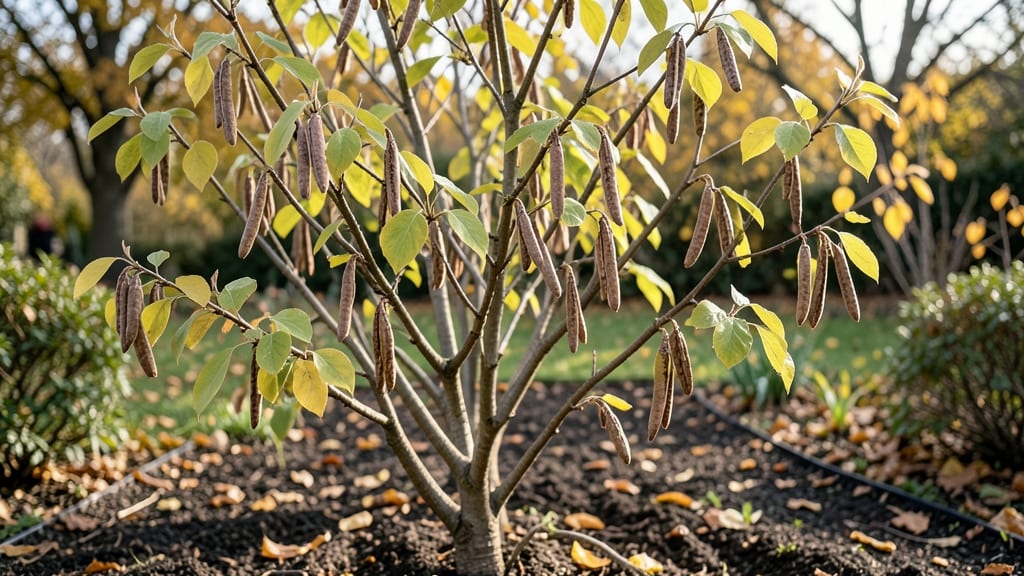
Harvesting lilac bush seed pods transforms last year's blooms into next season's potential. 🌿 The moment those papery pods turn brown and split open is your cue—the seeds inside hold the promise of new lilac bushes, though patience is key because germination takes time.
I learned this the hard way after impatiently planting fresh seeds only to wait months for results.
Grab a bucket or paper bag when the pods begin cracking, usually in late summer or early fall. The seeds inside are tiny and lightweight, so handle them gently—no need for gloves, but avoid windy days or they'll scatter everywhere.
Most gardeners skip this step entirely, but if you're growing lilacs from seed, harvesting these pods is your first step toward free plants in a few years.
Once collected, let the seeds dry for a week or two before storing them in a cool, dark place. They won’t sprout overnight—think 3-6 months of cold stratification—but the wait pays off with sturdy seedlings that mirror their parent’s fragrance.
The best part? You’ll have lilacs growing where you planted them, without ever buying another nursery pot.
This method works best in zones 3-7, where lilacs thrive naturally, but even in warmer climates, the seeds will germinate—just expect a longer wait. The real reward isn’t instant gratification but the satisfaction of nurturing a plant from seed to full, flowering bush.
Here’s how to do it without the guesswork.
📚 In This Guide
- What you need
- Instructions
- Tips and common mistakes
- Wrapping up and next steps
What you need
- ● Mature lilac bush (preferably Syringa vulgaris or similar species, with visible seed pods after flowering).
- ● Pruning shears or sharp scissors (clean, sterilized to avoid disease transfer).
- ● Paper grocery bags or breathable mesh bags (1–2 bags, depending on pod volume).
- ● Newspaper or cardboard (for drying pods indoors).
- ● Rubbing alcohol (70% isopropyl) and cotton swabs (for sterilizing tools).
- ○ Gloves (optional but recommended) (to protect hands from sap or thorns).
- ● Small hand trowel (for loosening soil if planting seeds immediately).
- ● Seed packet or labeled envelope (to store seeds until planting).
- ● Spray bottle with water (for misting pods during drying).
- ● Permanent marker (to label seed bags/envelopes with date and variety).
- ● Outdoor work surface or tarp (to lay out pods for drying).
- ● Wait until late summer or early fall (after pods turn brown and papery).
- ● Choose a dry, sunny day for harvesting to prevent mold.
- ● Ensure your lilac bush is healthy and disease-free (avoid harvesting from stressed plants).
How to harvest lilac seed pods for future blooms
Here's my foolproof method for collecting and storing lilac seed pods—no fancy tools needed.
🌿 Step 1: Identify and Locate Mature Seed Pods
Lilac seed pods form after blooms fade in late summer. Look for small, green capsules that harden into brown, papery shells by late August to September. They'll feel dry and brittle when ready—squeeze one gently. If it crumbles easily, it's harvest time.
Focus on the outermost branches first, where pods mature earliest. Avoid touching fresh flowers or green pods—you'll only disturb next year's blooms. I like to harvest on a dry, sunny morning when dew has evaporated, making pods easier to handle without sticking to fingers.
✂️ Step 2: Gather Pods Without Damaging the Bush
Use clean, sharp pruning shears to snip entire stems bearing pods, cutting 2-3 inches below the cluster. This prevents tearing bark and keeps the bush healthy. Place cuttings in a paper bag (not plastic—it traps moisture and encourages mold).
Work systematically from the bottom up. I start with the oldest pods (driest, brownest) and move upward. Never pull pods off by hand—you'll risk stripping bark or breaking stems. If a pod resists, leave it; it's not ready yet.
🪴 Step 3: Dry and Store Pods for Planting
Spread the harvested stems on a flat surface in a dry, shaded area for 7-10 days. Turn them daily to ensure even drying. The pods should feel light as paper and rattle when shaken. If any remain slightly damp, extend drying time—moisture ruins seeds.
Once completely dry, remove pods from stems by rubbing them between your palms. Store the seeds in a small envelope labeled with the year and variety. Keep them in a cool, dark place (like a seed drawer) until spring. Lilac seeds stay viable for 2-3 years if stored properly.
🌱 Step 4: Prepare Pods for Spring Planting
In early spring, soak the dried pods in lukewarm water for 12-24 hours to soften the outer shell. This mimics natural rain and helps seeds break dormancy. After soaking, plant 2-3 seeds per pot in well-draining potting mix, covering them with just ¼ inch of soil.
Place pots in a bright, indirect light spot (like a north-facing window) and keep soil evenly moist. Germination takes 4-8 weeks—patience is key. Thin seedlings to the strongest one per pot once first true leaves appear. Transplant outdoors after the last frost when seedlings are 3-4 inches tall.
⏰ Step 5: Track Growth for Next Year's Blooms
Label each seedling with the year planted. Lilacs grown from seed take 3-5 years to bloom, but the wait is worth it for unique varieties. Mulch young plants with 2 inches of organic mulch to retain moisture and suppress weeds. Fertilize lightly in early spring with a balanced, slow-release fertilizer (like 10-10-10).
Here's the thing—you won't see flowers right away, but every year you harvest pods, you're building a self-sustaining lilac collection. I always plant a few extra seedlings to share with neighbors; it's the best way to spread beauty (and avoid overcrowding).
Tips & tricks for perfect lilac seed pod harvesting
These simple strategies will help you harvest and store lilac seed pods like a pro—without the guesswork.
Timing Secret: The 7-10 day drying period in Step 3 is crucial for seed viability. I like to check pods every 2-3 days during this time—if they feel damp when you squeeze them, extend drying by another day or two. A fan on low speed can speed this up by 24-48 hours if you're short on time, but avoid direct airflow that could scatter seeds.
Harvesting Technique: When cutting stems in Step 2, make your snips at a slight angle just above a leaf node. This encourages healthier regrowth for your lilac bush. I also recommend wearing gloves—those dried pods can be surprisingly prickly! And if you're harvesting multiple bushes, use separate paper bags for each variety to avoid cross-contamination.
Storage Wisdom: For long-term storage beyond the 2-3 year window, you can extend seed viability by placing a small packet of silica gel with your seeds in the envelope. This absorbs moisture that causes seeds to spoil. I've kept seeds viable for up to 5 years using this method, though germination rates drop after year 3.
Pro Tips for Lilac Bush Seed Pods
- These simple strategies will help you harvest and store lilac seed pods like a pro—without the guesswork.
- Timing Secret: The 7-10 day drying period in Step 3 is crucial for seed viability. I like to check pods every 2-3 day...
- Harvesting Technique: When cutting stems in Step 2, make your snips at a slight angle just above a leaf node. This en...
Frequently asked questions
Got questions about harvesting and handling lilac bush seed pods? You’re not alone! Here are some of the most common queries—plus simple solutions to keep your lilacs thriving for seasons to come.
When is the best time to harvest lilac seed pods?
Harvest seed pods when they turn brown and papery (usually late summer to early fall). Avoid picking them too early—they won’t be fully mature, or too late, as they may split open and scatter seeds. Aim for mid-September for ideal timing in most climates.
How do I know if the seed pods are ready for collection?
Ready-to-harvest pods are dry, brittle, and light brown. Gently squeeze one—if it crumbles easily, it’s time! Avoid pods that are still green or sticky, as they’re not viable. Pro tip: Collect pods on a dry day to prevent mold.
Can I plant lilac seeds directly from the pods, or do I need to extract them?
You can plant whole pods, but extracting seeds (by crushing pods and separating seeds from chaff) improves germination rates. Soak seeds in water for 24 hours before planting to soften the outer shell. For best results, stratify seeds in moist sand in the fridge for 4–6 weeks to mimic winter.
What should I do if my lilac seed pods split open before I can collect them?
Don’t worry—scattered seeds can still grow! If you want to salvage them, cover the base of the bush with a burlap sack or lay down cardboard to catch fallen seeds. Alternatively, collect seeds from the ground (if dry) and plant them immediately. Bonus: This natural spread can create new lilac bushes!
Are there alternatives if my lilac bush isn’t producing seed pods?
If your lilac skips seed production, try propagating from cuttings (softwood in summer or hardwood in winter) or buying grafted plants from nurseries. Some lilacs (like Syringa vulgaris) are more reliable seed-producers than others. Check your variety—older bushes or stressed plants may focus energy on flowers instead of seeds.
Wrapping up and next steps
Harvesting lilac bush seed pods is a simple yet rewarding way to ensure vibrant blooms next season—without the stress!
Whether you’re a seasoned gardener or just starting out, these easy steps will help you collect, dry, and store seeds like a pro. 🌿✨ With patience and a little know-how, you’ll be well on your way to a fragrant, flourishing garden in no time.
Ready to take the next step? Start small—pick a few pods from one bush, experiment with drying methods, and observe how your seeds perform. Before you know it, you’ll be sharing your lilac-growing secrets with fellow green thumbs! Happy gardening! 🌸