
Lawn
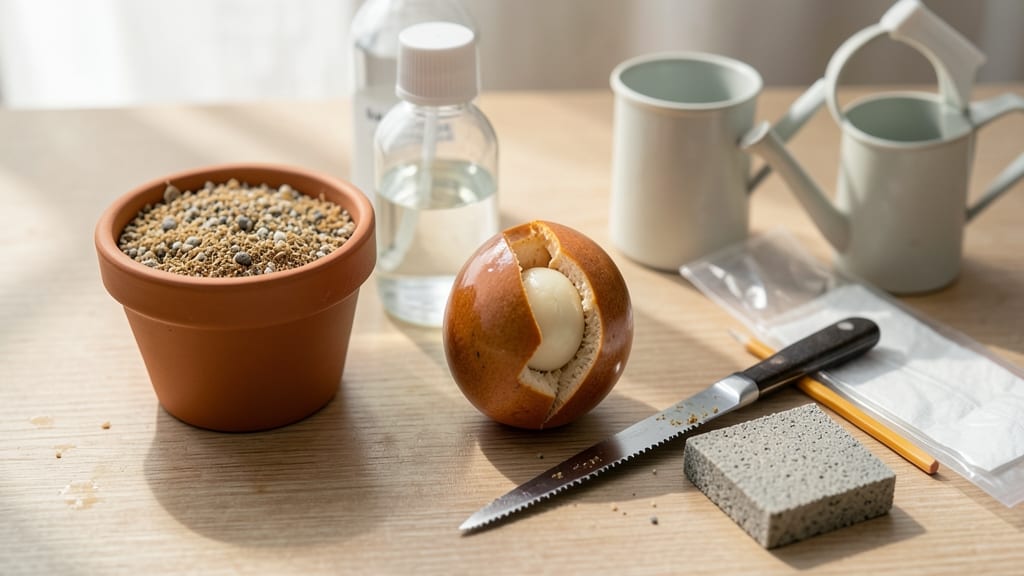
That mango seed in your hand could grow into a tree—if you prepare it right using how to prepare a mango seed for planting. 🌱 The key is stress-free extraction, a quick viability check, and knowing exactly how to coax it into sprouting.
I’ve turned more than a dozen seeds into thriving seedlings by following these exact steps, and you can too.
Start with clean hands and a sharp knife to slice open the seed without damaging the inner nut. Rinse it thoroughly to remove any fruit residue, then let it dry for 24 hours in a warm, shaded spot.
This prevents mold and primes it for planting. The goal? A seed that’s ready to germinate within 2-4 weeks with the right warmth and moisture.
Plant the seed 1 inch deep in a well-draining mix of potting soil and perlite, keeping it consistently moist but never soggy. Place the pot in a warm area (around 75°F) with bright, indirect light.
Patience is key—some seeds sprout in 10 days, others take 6 weeks, but the wait is worth it for that first green shoot.
If your seed doesn’t germinate after 8 weeks, try soaking it in warm water for 24 hours before replanting. Not every seed works, but with this method, you’ll maximize your chances—and even if it fails, you’ll learn what to adjust next time. Ready to grow your own mango tree?
📚 In This Guide
- What you need
- Instructions
- Tips and common mistakes
- Wrapping up and next steps
What you need
- ● Mango seed: 1 fresh, plump seed (preferably from a ripe, organic mango—avoid hybrid or treated seeds).
- ● Sharp knife or kitchen shears: 1 pair (for cleanly slicing the seed).
- ● Paper towels or coffee filters: 2-3 sheets (for the germination process).
- ● Plastic bag or ziplock: 1 small (to create a humid environment).
- ● Small pot or container: 1 (4-6 inches in diameter) with drainage holes.
- ● Well-draining potting mix: 1 bag (lightweight, organic mix for seedlings).
- ● Spray bottle: 1 (for gentle watering).
- ● Ruler or measuring tape: 1 (to check seed viability and root growth).
- ● Hydrogen peroxide (3% solution): A few drops (to sterilize the seed and prevent mold).
- ● Rooting hormone: 1 small tube (speeds up germination for stubborn seeds).
- ● Grow lights or sunny windowsill: Access to indirect sunlight (6+ hours/day).
- ● Label or marker: 1 (to track planting dates and seed origins).
- ○ Heat mat (optional for cold climates): 1 (keeps soil warm for faster germination).
Step-by-step instructions for preparing a mango seed for planting
Turn that grocery store pit into a thriving sapling with these simple, foolproof techniques.
🌱 Step 1: Extract the Seed Cleanly and Dry It Thoroughly
Start with a ripe mango—never use underripe fruit, as the seed won't germinate well. Cut the mango open lengthwise with a sharp knife, then twist the two halves apart. You'll see the seed nestled in the center, surrounded by fibrous flesh. Gently scrape away all the clinging fruit with your fingers or a spoon, being careful not to crack the seed's hard outer shell.
Once clean, rinse the seed under cool running water to remove any lingering pulp. Place it on a paper towel and let it air-dry for 24-48 hours in a warm, shaded spot. The seed is ready when it feels dry to the touch and no moisture remains on the shell. This drying step is crucial—wet seeds rot before they can germinate.
🔍 Step 2: Test Seed Viability Before Planting
Not all mango seeds will sprout, so test yours first. Fill a small glass with water and place the dried seed inside. If it sinks to the bottom, it's viable and ready to plant. If it floats, the seed is empty or damaged and won't grow. I like to mark the seed with a pencil to track its position—this way, you can monitor for any early signs of sprouting while it soaks.
Let the seed soak for 24 hours in the water. After that, remove it and gently rub the outer shell with sandpaper or a coarse cloth to create small scratches. This step mimics natural weathering and helps the seed absorb moisture more easily. Skip this if the shell is already cracked—over-scratching can damage the seed inside.
🌱 Step 3: Plant the Seed in Moist, Well-Draining Soil
Fill a small pot—4-6 inches deep—with a mix of potting soil and perlite (half and half). This blend ensures good drainage while keeping the seed moist. Press the soil down lightly so it's firm but not compacted. Make a hole in the center 1-2 inches deep and place the soaked seed inside, scratches facing downward.
Cover the seed with soil, leaving just the top visible. Water the pot gently until the soil feels damp but not soggy. Place the pot in a warm, bright spot—75-85°F is ideal—like a sunny windowsill or under a grow light. Keep the soil consistently moist by misting it lightly every 2-3 days. You'll see the first signs of germination in 2-4 weeks, when a tiny sprout emerges from the soil.
☀️ Step 4: Provide Ideal Conditions for Germination
Once the sprout appears, move the pot to a location with bright, indirect light—direct sunlight can scorch the delicate young leaves. If your home is cool, consider using a seedling heat mat to maintain soil temperatures around 70-75°F. Avoid overwatering now; let the top inch of soil dry out slightly between waterings. Overly wet conditions lead to rot, which kills seedlings overnight.
Watch for the first true leaves—these will look different from the initial seed leaves (cotyledons). When they appear, you can transplant the seedling into a larger pot or directly into the ground if temperatures are warm enough. Real talk: Mango trees grow slowly, so patience is key. It may take 6-12 months before you see significant growth, but the wait is worth it for that first tropical leaf.
Tips & tricks for stress-free mango seed preparation
Turn your grocery store mango pit into a thriving seedling with these practical tips that'll help you avoid common pitfalls.
Seed Extraction: When cutting open your mango, work slowly around the seed to avoid cracking it. I've ruined three seeds by being too aggressive—just twist gently and let the fruit separate naturally. For stubborn seeds, use a spoon to carefully pry away the flesh rather than forcing it with a knife. The goal is to keep that outer shell intact, as cracks can lead to premature rot during drying.
Drying Secret: The 24-48 hour drying period is non-negotiable, but here's what I learned the hard way: Place your seed on a paper towel in a location with good airflow, like a kitchen counter near an open window. Avoid direct sunlight during this phase—it can cause the shell to crack from uneven drying. I also recommend using a small plate under the paper towel to catch any moisture drips, keeping your workspace clean and your seed safe.
Viability Test: When testing your seed in water, don't just glance at it after 24 hours. I've seen seeds that sink initially but then float after a few hours as air pockets develop. Mark the seed with a pencil before soaking—this helps you track any early signs of sprouting while it's submerged. If you see tiny white roots forming during the soak, that's a great sign your seed is ready to plant immediately.
Soil Mix Tip: For the potting soil and perlite mix, I've found that adding a handful of coarse sand (about 1 part sand to 4 parts soil/perlite) improves drainage even further. This prevents soggy soil conditions that can lead to root rot. When planting, press the soil gently around the seed to eliminate air pockets—this creates better contact between the seed and moisture, encouraging faster germination.
Pro Tips for Prepare A Mango Seed For Planting
- Turn your grocery store mango pit into a thriving seedling with these practical tips that'll help you avoid common pitfalls.
- Seed Extraction: When cutting open your mango, work slowly around the seed to avoid cracking it.
- Drying Secret: The 24-48 hour drying period is non-negotiable, but here's what I learned the hard way: Place your seed on a paper towel in a location with good airflow, like a kitchen counter near an open window.
Frequently asked questions
Got questions about mango seed planting? You’re not alone! Here are some of the most common queries—plus quick, actionable answers to help you grow confidently.
How long does it take for a mango seed to sprout?
A mango seed typically sprouts within 2–4 weeks if planted correctly, given warm (70–90°F) and moist conditions. Patience is key—some seeds may take up to 6–8 weeks, especially if stored or chilled before planting. Keep the soil consistently damp (not soggy) and monitor for tiny green shoots near the seed’s pointed end.
Can I plant a mango seed straight from the fruit without drying it first?
Yes! You can plant a fresh mango seed immediately after removing it, but drying it for 2–3 days first can improve germination rates by reducing rot risk. If planting fresh, ensure the seed is clean and the soil is well-draining. Pro tip: Warmth accelerates germination—place the pot near a sunny window or use a seedling heat mat for faster results.
What’s the best soil mix for germinating mango seeds?
Use a light, airy mix like:
- 50% coco coir or peat moss (for moisture retention)
- 30% perlite or vermiculite (for drainage)
- 20% sand or compost (for nutrients)
Can I refrigerate a mango seed to speed up germination?
No—cold stratification isn’t needed for mango seeds (unlike some tropical fruits). In fact, chilling can delay germination. Instead, soak the seed in warm water for 24 hours before planting to soften the outer shell. Then, keep it in a warm, humid environment (like a propagator or sunny windowsill) for best results.
Will a mango tree grown from seed produce fruit like the parent tree?
Probably not! Seed-grown mango trees may take 5–10 years to bear fruit—and the quality, size, or taste won’t match the parent tree. For reliable fruit, graft a known variety onto your seedling later. If you’re okay with a wild-type tree, enjoy the adventure—just be patient and provide full sun and regular watering!
My seed is moldy or rotting—what went wrong?
Mold or rot usually means too much moisture or poor drainage. Fix it by:
- Repotting in fresh, sterile soil with perlite
- Ensuring the pot has drainage holes
- Avoiding overwatering—let the top inch of soil dry between waterings
Wrapping up and next steps
Preparing a mango seed for planting is simpler than you think—and with the right steps, you’re well on your way to nurturing a thriving mango tree! 🌱 Remember, patience and care are key: from extracting the seed gently to testing viability and preparing it for planting, each step sets the foundation for success.
Now that you’re armed with the knowledge, why not take the next step? Grab that seed, follow your prepared soil mix, and watch your green thumb grow—literally! Happy planting! 🌿