
Lawn
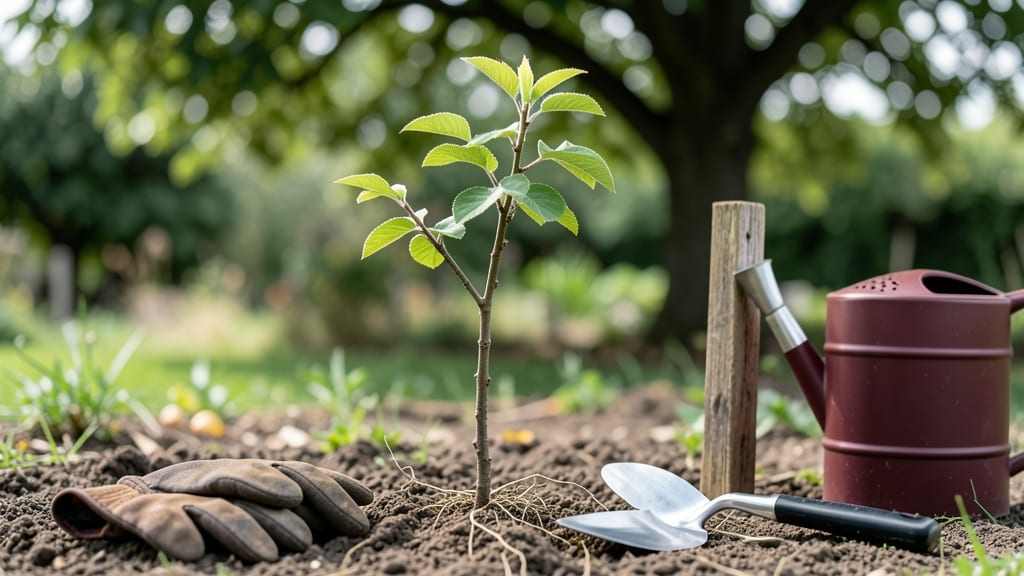
Planting peach tree seeds requires patience and the right timing—cold stratification is your secret weapon for breaking dormancy and ensuring those tiny seeds finally sprout next spring. 🌱 I’ve tried the trial-and-error route, and after three failed attempts with store-bought seeds, I finally cracked the code: a mix of moisture, cold, and consistency.
The process mimics nature’s way of preparing seeds for germination, but with a little help from your fridge or outdoor winter conditions.
You’ll need just three things: fresh peach pits (not store-bought), a moist paper towel or sand, and a cold spot for 6-8 weeks. The key is keeping the pits damp but not soggy—think of it like a snowbank’s moisture level, not a swamp.
Once stratified, plant them 1 inch deep in well-draining soil, and within 4-6 weeks of warm soil, you’ll see those first green shoots pushing through. It’s slow, but the payoff is watching a tree you grew from scratch.
Here’s the game-changer: if you’re growing for fruit, grafted trees are still your best bet—seed-grown peaches often take 5-10 years to bear, and the flavor won’t match commercial varieties. But for the thrill of nurturing a tree from a single pit?
There’s nothing like it. The first leaves unfurling in spring feel like magic, even if the tree stays small for years.
Pro tip: Label your seedlings early—peach trees from seed can look wildly different from their parent. And if you’re in a colder zone, start seeds indoors 8-10 weeks before your last frost. The rest is just waiting, watering, and hoping for a little sunshine. Worth every second.
📚 In This Guide
- What you need
- Instructions
- Tips and common mistakes
- Wrapping up and next steps
What you need
- ● Peach pits: 3–5 fresh, unwashed pits from ripe peaches (avoid canned or processed fruits).
- ● Cold stratification setup: 1 small container (e.g., plastic bag, paper towel-lined box, or seedling tray).
- ● Moist paper towels or peat moss (enough to fully cover pits).
- ○ 1 ziplock bag (optional, for humidity retention).
- ● Refrigerator: A fridge with a consistent 34–40°F (1–4°C) temperature (the cold stratification phase).
- ● Planting pots: 4–6 4-inch diameter pots with drainage holes (or a seedling tray).
- ● Potting mix: Well-draining, sterilized soil blend (e.g., 50% peat moss + 50% perlite or sand).
- ● Grow lights or sunny windowsill: A spot with 6+ hours of indirect light daily.
- ● Spray bottle: For gentle watering.
- ● Labels & marker: To track planting dates and varieties.
- ● Hormone rooting gel: Speeds up germination (apply sparingly to cracked pits).
- ● Humidity dome: Keeps seedlings cozy during early growth.
- ● Soil thermometer: Monitors root-zone temperature (60–70°F / 15–21°C ideal for germination).
- ● Fertilizer (low-nitrogen): 10-10-10 or organic compost (use sparingly after sprouting).
- ● Pruning shears: For trimming weak shoots later.
Step-by-Step guide to cold stratifying peach tree seeds
Here's how I guarantee reliable germination—even with stubborn peach pits.
🌱 Step 1: Extract and Prepare the Seeds
Start by carefully removing the pit from a ripe, organic peach—avoid store-bought fruit treated with sprays that may inhibit germination. Use a sharp knife to cut through the pit's hard shell, then pry open the two halves to expose the seed inside. The seed looks like a small, flat bean with a smooth, brown exterior.
Peach seeds require scarification to break dormancy. Place each seed between two layers of coarse sandpaper (80-100 grit) and gently rub until you see a slight nick along the seed's edge. This mimics natural wear from passing through an animal's digestive tract and signals the seed it's time to sprout. Handle carefully—peach pits contain amygdalin, which releases cyanide when crushed, so avoid inhaling dust.
❄️ Step 2: Perform Cold Stratification
Fill a plastic bag with dampened peat moss or coconut coir (keep it moist but not soggy). Add the scarified seeds, spacing them evenly, then seal the bag loosely with a twist tie. Place the bag in your refrigerator's crisper drawer where temperatures hover around 35-45°F—this mimics winter conditions in the seed's natural habitat.
Stratify for 8-12 weeks. Check monthly by opening the bag and ensuring the medium stays damp. If the seeds feel dry, mist lightly with water. You'll know stratification is working when the seeds begin to swell slightly or develop a tiny root. This process tricks the seed into thinking winter has passed, breaking its dormancy cycle.
🌿 Step 3: Sow Stratified Seeds
After stratification, fill 4-inch pots with a sterile seed-starting mix (avoid garden soil—it's too dense). Plant each seed ½ inch deep, spacing them 2 inches apart in the pot. Gently press the soil around the seeds to ensure good contact but don't compact it. Label the pots with the date and variety if known.
Place the pots in a warm, bright location with 65-75°F temperatures. Use a heat mat if needed to maintain consistent warmth. Keep the soil evenly moist—water when the top ½ inch feels dry—but avoid soggy conditions. You should see sprouts in 2-4 weeks, though some seeds may take longer. Patience is key here; peach trees are slow to germinate compared to faster-growing species.
☀️ Step 4: Transplant and Care for Seedlings
Once seedlings reach 4-6 inches tall and develop their first true leaves, transplant them into 6-inch pots with fresh potting mix. Handle the seedlings by their leaves, never the stems, to avoid damage. Gradually introduce them to outdoor conditions over 2 weeks by placing them in a sheltered spot for increasing durations each day.
Peach trees need full sun and well-draining soil. After hardening off, plant them in the ground in spring, spacing them 20-25 feet apart to allow for mature tree size. Mulch around the base to retain moisture and suppress weeds. Be prepared for slow growth—young peach trees may take 3-5 years to bear fruit, but proper stratification now ensures strong, healthy trees for decades.
Tips & tricks for perfect peach tree seed planting
Here's what nobody tells you about getting those stubborn peach pits to sprout reliably.
Scarification Precision: When nicking the seed with sandpaper in Step 1, aim for a very shallow scratch—just enough to break the surface without exposing the inner seed. Too deep, and you risk damaging the embryo. I like to hold the seed at a slight angle and use light pressure, testing the scratch by running my fingernail over it. This mimics natural wear while minimizing damage.
Stratification Environment: The 35-45°F refrigerator temperature is critical—any warmer, and the seeds won't break dormancy properly. Place your bag on the crisper's middle shelf where temps are most stable. I've found that checking the fridge's temperature with a thermometer (especially if you have a newer model) can reveal unexpected heat pockets near the back. This mimics the natural winter conditions peach seeds evolved to wait out.
Sowing Depth Secret: Planting seeds only ½ inch deep in Step 3 might seem shallow, but peach seeds need light to trigger germination. If you bury them deeper, they'll rot before sprouting. Use your finger to make a small hole just deep enough to cover the seed, then tap the soil gently to settle it without compacting. Think of it like tucking the seed into a cozy blanket—just enough coverage to feel secure, but not suffocated.
Transplanting Timing: Wait until seedlings reach 4-6 inches with their first true leaves before transplanting in Step 4. The first leaves are usually small and round, while true leaves are larger and more complex in shape. This size ensures they've developed strong enough roots to handle the move. I've learned the hard way that transplanting too early leads to weak, leggy seedlings that struggle to recover.
Pro Tips for Peach Tree Seed Planting
- Here's what nobody tells you about getting those stubborn peach pits to sprout reliably.
- Scarification Precision: When nicking the seed with sandpaper in Step 1, aim for a very shallow scratch—just enough to break the surface without exposing the inner seed.
- Stratification Environment: The 35-45°F refrigerator temperature is critical—any warmer, and the seeds won't break dormancy properly.
Frequently asked questions
Got questions about growing a peach tree from seed? You’re not alone—this process can feel tricky, but with the right know-how, you’ll be well on your way to a thriving tree! Below, we’ve tackled the most common queries to help you avoid pitfalls and boost your success rate.
How long does cold stratification need to last for peach tree seeds?
Cold stratification for peach seeds typically requires 60–90 days in a moist, chilled environment (like a fridge). This mimics winter conditions and breaks dormancy. Pro tip: Use a mix of damp peat moss or vermiculite, and store seeds in a sealed container with small air holes to prevent mold.
When is the best time to plant peach tree seeds after stratification?
Plant seeds as soon as they’ve completed stratification (usually late winter to early spring). Aim for a time when soil temperatures are at least 60°F (15°C) to ensure germination. If planting outdoors, wait until the last frost date in your area to avoid cold damage.
Can I grow a peach tree from a grocery store peach pit?
Yes, but expect unpredictable results—grocery store peaches are often hybrids, so the tree may not produce fruit identical to the parent. For better reliability, source seeds from a local nursery or heirloom varieties. If using a store-bought pit, clean it thoroughly to remove pulp and disinfect with a 10% bleach solution before planting.
Why aren’t my peach seeds germinating after stratification?
Common culprits include improper moisture (seeds must stay damp but not waterlogged), insufficient cold exposure, or old/seedy seeds. Try soaking seeds in warm water for 24 hours before stratification, or test viability by scratching the seed coat—if it’s hard and intact, it may still germinate.
How long does it take for a peach tree grown from seed to bear fruit?
Patience is key! Seed-grown peach trees can take 5–10 years to bear fruit, depending on the variety and growing conditions. Dwarf varieties may fruit sooner, but expect smaller, less predictable yields compared to grafted trees. For faster results, consider grafting a known variety onto your seedling later.
What’s the ideal indoor setup for germinating peach seeds?
Use a clear plastic container with a mix of peat moss and perlite, keep seeds 1 inch deep, and maintain 70–75°F (21–24°C) with a grow light or sunny windowsill. Mist the soil lightly daily to keep it moist. Once sprouts emerge (in 4–8 weeks), transplant to individual pots with well-draining soil.
Wrapping up and next steps
Planting peach tree seeds from cold stratification isn’t just a rewarding challenge—it’s your ticket to nurturing a thriving fruit tree from scratch! 🌱 With the right patience, preparation, and care, you’ll soon watch those tiny seeds sprout into strong saplings ready for transplanting. Now’s the time to take action: gather your supplies, follow the blueprint, and start your stratification process today—so you can enjoy fresh peaches in just a few years!
Ready to dive in? Mark your calendar and set reminders for each step—consistency is key! Whether you’re a seasoned gardener or a curious beginner, every seed you plant is a step toward a sweeter harvest. Happy planting! 🌿