
Propagation
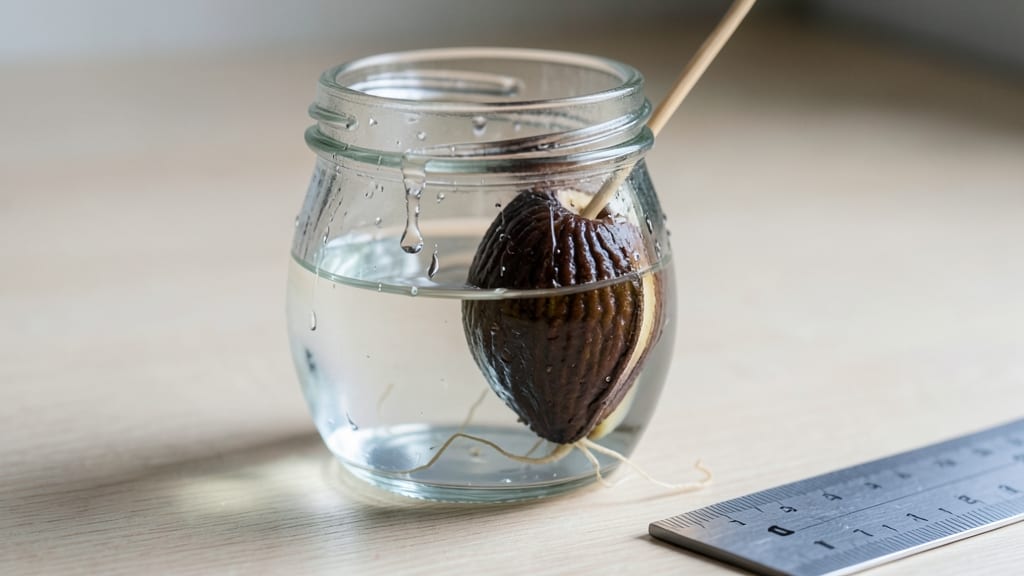
Putting an avocado seed in water is the easiest way to grow a houseplant that’ll wow your friends—if you’re willing to wait. 🌱 I’ve sprouted three this way, and while none have fruited yet, the journey is half the fun (and the glossy leaves make a great gift).
You’ll need just four things: a fresh avocado seed, a glass jar, toothpicks, and patience. The toothpicks hold the seed in place while the bottom half soaks in water. Change the water every 2-3 days to keep it fresh, and place the jar in bright, indirect light—no direct sun yet.
After 4-6 weeks, you’ll spot tiny white roots. Keep it going for 8-12 weeks before transplanting into soil, and don’t expect fruit anytime soon—this is a 5+ year project. The real payoff? A lush, tropical houseplant that thrives on neglect.
This method works for any avocado seed, but store-bought ones sprout best. Here’s how to do it right without killing your seed along the way.
📚 In This Guide
- What you need
- Instructions
- Tips and common mistakes
- Wrapping up and next steps
What you need
- ● 1 fresh, organic avocado pit – Choose a seed with minimal cracks or damage for the best sprouting success.
- ● 4-6 wooden toothpicks or skewers – For suspending the seed without piercing it.
- ● 1 small glass or jar – A clear container (8–12 oz) with a wide enough opening to fit the seed. Mason jars or drinking glasses work perfectly!
- ● Water – Room-temperature, filtered or tap water (chlorine-free if possible). Aim for 1–2 cups to cover about 1 inch of the seed.
- ● 1 rubber band or string – To secure the toothpicks and hold the seed in place.
- ● A small plate or saucer – To catch water spills if your jar isn’t stable.
- ○ Food coloring (optional) – Adds a fun touch to track water levels (use sparingly!).
- ● Planting soil (later stage) – Once roots and a stem sprout (after ~2–6 weeks), you’ll need a 6-inch pot and well-draining potting mix.
- ● Spray bottle – For gentle misting if the air gets too dry.
Step-by-Step instructions for sprouting avocado seeds in water
Here's the simple method I use to turn avocado pits into thriving plants—no fancy tools or gardening experience needed.
🌱 Step 1: Prepare the Avocado Seed for Planting
First, wash the avocado pit thoroughly under running water to remove any remaining fruit residue. This prevents mold and keeps your seed healthy. Use a clean paper towel to pat it completely dry—moisture trapped inside can cause rot.
Next, insert three or four toothpicks evenly around the pit's middle, spacing them about ½ inch apart. These will hold the seed steady above your glass. I like to angle the toothpicks slightly downward so the seed sits balanced—this prevents wobbling as roots grow. Don't push them in too deep or you'll damage the seed.
💧 Step 2: Position the Seed Over Water
Fill a clean glass with 2-3 inches of water—enough to cover about ¼ inch of the seed's bottom once suspended. The water should touch only the very tip of the seed, never submerge it completely. Use a shallow dish or plate under the glass to catch any drips and keep your counter clean.
Gently lower the seed into the water using the toothpicks, ensuring it floats freely. The flat side (where the stem was attached) should face upward—this is where your new plant will sprout. Adjust the toothpicks if needed so the seed sits level. You'll see tiny bubbles form around the bottom as roots begin to emerge in about 2-4 weeks.
☀️ Step 3: Maintain Consistent Moisture and Light
Change the water every 2-3 days to prevent bacterial growth. Use room-temperature water—cold water can shock the developing roots. I like to pour fresh water over the seed while holding it gently with my fingers to avoid disturbing the roots.
Place the glass in bright, indirect light—like a windowsill facing east or west. Direct sunlight can overheat the water and stress the seed. You'll know the light is right when you see the seed develop a slight green tint on the top side and roots grow steadily about ½ inch per week. Avoid drafts or temperature swings—keep it in a stable spot between 65-75°F.
🌿 Step 4: Transition to Soil When Roots Are Established
Once the roots reach about 2-3 inches long—usually after 4-6 weeks—it's time to plant. Fill a small pot (at least 6 inches deep) with well-draining potting mix. Make a hole in the center deep enough to bury about half of the seed, leaving the top half exposed.
Gently lower the seed into the hole, holding the roots carefully to avoid breaking them. Press the soil lightly around the base to secure it. Water thoroughly until it drains from the bottom, then place the pot in bright, indirect light again. Keep the soil consistently moist but not soggy—you'll see the first true leaves appear in about 2-4 weeks after planting.
⏰ Step 5: Care for Your Young Avocado Plant
Your avocado plant will need bright indirect light daily to grow strong. Rotate the pot occasionally so it doesn't lean toward the light source. Once the plant reaches about 12 inches tall, you can gradually introduce it to more direct sunlight over a few weeks.
Water when the top 1-2 inches of soil feel dry to the touch. Avocado plants are drought-tolerant but prefer consistent moisture. Fertilize lightly every 2-3 months with a balanced houseplant fertilizer to encourage healthy growth. With patience, your seedling could grow into a mature avocado tree—though it may take years to produce fruit indoors!
Tips & tricks for stress-free avocado seed sprouting
Here's what I've learned after watching dozens of seeds sprout—and fail—to help you avoid the most common pitfalls.
Toothpick Placement: When inserting toothpicks in Step 1, aim for the seed's widest part, not the ends. The toothpicks should create a stable triangle that keeps the seed perfectly balanced. If your seed wobbles, the roots won't grow straight—this is why I angle them slightly downward. Pro tip: Use wooden toothpicks instead of plastic; they hold better and won't melt if the glass gets warm.
Water Level Watch: The instructions mention covering just ¼ inch of the seed, but here's the thing: That water level can drop quickly through evaporation. I keep a small pitcher nearby to top off the water without removing the seed. Never let the water level drop below the seed's base—this can cause rot. If you notice brown spots, it's a sign you've waited too long to refresh the water.
Light Source Secrets: Bright indirect light is key, but not all windowsills are equal. East-facing windows provide perfect morning light without afternoon heat, while west-facing ones can get too intense. If you don't have ideal lighting, a simple grow light on a timer (12 hours on/off) works wonders. I've seen seeds in dim corners still grow, but they'll be leggy and weak—rotate your glass every few days to encourage even growth.
Root Growth Red Flags: Healthy roots grow steadily about ½ inch per week, but watch for these warning signs: If roots turn brown or mushy, your water's too dirty or the seed's rotting. If they grow in a tangled mess, your seed's unstable—check those toothpicks! And if growth stalls completely after 4 weeks, try gently loosening the toothpicks to prevent constriction as roots thicken.
Pro Tips for Put An Avocado Seed In Water
- Here's what I've learned after watching dozens of seeds sprout—and fail—to help you avoid the most common pitfalls.
- Toothpick Placement: When inserting toothpicks in Step 1, aim for the seed's widest part, not the ends. The toothpick...
- Water Level Watch: The instructions mention covering just ¼ inch of the seed, but here's the thing: That water level ...
Frequently asked questions
Got questions about sprouting avocado seeds in water?
You’re not alone! Here are some of the most common queries—plus clear, stress-free answers to keep your seed growing like a pro.
How long does it take for an avocado seed to sprout in water?
Patience is key! Most avocado seeds take 2–6 weeks to sprout in water, depending on temperature and humidity. Keep the seed in warm (70–85°F) water and change it every 2–3 days. If no sprouts appear after 6 weeks, try adjusting conditions or check for rot (see next question).
What if my avocado seed is rotting in water?
If the seed turns mushy, smells foul, or grows mold, it’s overwatered or infected. Drain excess water immediately, let it dry for 1–2 days, and inspect for damage. Trim any blackened areas with a clean knife, then return it to fresh water. If rot spreads, start fresh with a new seed!
Can I speed up the sprouting process?
Yes! Optimize conditions by:
- Using warm water (not hot) to encourage growth.
- Placing the jar in indirect sunlight (e.g., near a window).
- Avoiding drafts or temperature swings (keep it consistent!).
What do I do once the seed sprouts roots?
Once roots reach 2–3 inches, it’s time to plant it! Fill a small pot with well-draining soil, bury the seed halfway, and water lightly. Keep soil moist but not soggy, and place in bright, indirect light. Roots may slow or stop growing temporarily—this is normal as the plant adjusts!
Can I reuse the water from my avocado seed?
Nope! Avocado seed water is a no-go for reuse—it can harbor bacteria or fungi from the seed. Always use fresh, room-temperature water each time to keep your seed healthy. Pro tip: Use filtered or distilled water if your tap water has high chlorine levels!
Wrapping up and next steps
Growing an avocado plant from a seed is a rewarding journey that combines patience with the joy of nurturing life! 🌱 By following these simple steps—from selecting your seed to providing the right care—you’re not just sprouting a plant; you’re cultivating a green friend for years to come.
Once your seedling is thriving, consider transplanting it into soil to watch it grow even stronger.
Ready to take the next step? Share your progress with fellow plant enthusiasts or explore more propagation tips to expand your indoor garden. Happy growing! 🌿✨