
Lawn
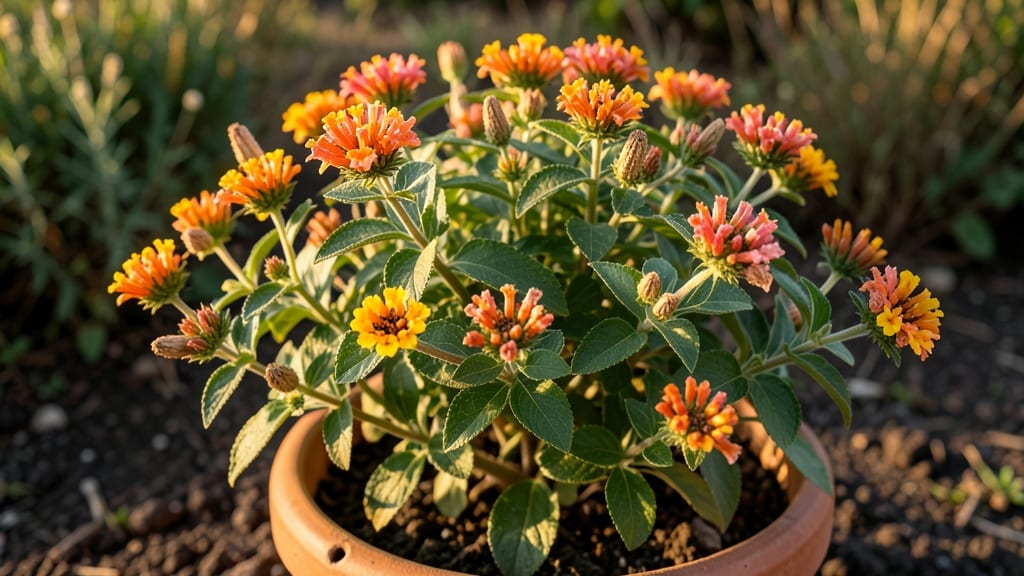
Lantana seed pods literally explode when ripe—nature's way of scattering seeds far and wide. 🌿 I've watched them launch tiny black seeds across my patio, and now I'm sharing how to harness that energy for your own garden instead of letting them take over the neighborhood.
The pods turn from green to brown, then split open with a satisfying pop—that's your cue to collect them before the seeds fly away. You'll need a bowl, gloves (those seeds stain!), and a sunny spot to grow your new plants.
Lantana's drought-tolerant nature makes it perfect for low-maintenance gardens. Once you've got the seeds, you can either scatter them directly in well-draining soil or start them indoors for a head start. Just be warned—lantana's invasive in some areas, so check local regulations before planting.
The vibrant blooms make it worth the caution, though. For best results, plant in full sun and water sparingly. Young plants establish quickly, and you'll have colorful flowers within months. Just keep an eye on those seed pods next season!
📚 In This Guide
- What you need
- Instructions
- Tips and common mistakes
- Wrapping up and next steps
What you need
- ● Mature lantana plants (identify by their vibrant flowers and small, round seed pods—typically orange, yellow, or pink).
- ● Pruning shears or sharp scissors (for harvesting pods—look for dry, brownish pods that feel slightly papery).
- ● Paper bags or breathable mesh sacks (to collect pods—1-2 large bags depending on harvest size).
- ● Flat surface or tray (for drying and opening pods—preferably outdoors or in a well-ventilated area).
- ● Small containers or envelopes (for storing seeds—airtight or breathable paper envelopes work best).
- ● Labeling tags & permanent marker (to mark containers with date and plant variety).
- ● Gloves (to protect hands from small thorns on some lantana varieties).
- ● Magnifying glass (for inspecting pods or tiny seeds).
- ● Seed drying rack (if you’re saving large quantities).
- ● Humidity pack or silica gel (to prevent moisture in storage).
- ● Camera or sketchbook (to document the popping process—it’s mesmerizing!).
How to collect lantana seeds using their natural pop-open mechanism
Watch as these clever seed pods dramatically fling seeds across your garden—here's how to harness that energy for easy collection.
🌱 Step 1: Identify and Select Mature Seed Pods
Lantana pods turn from green to a papery brown when ready—this signals seeds are fully mature and the pods will soon explode. Look for clusters that feel dry and brittle to the touch. I always check in late summer when pods start developing that characteristic papery texture.
Gently twist open a few pods to peek inside. You'll see small, dark seeds nestled among fluffy white fibers. These fibers are nature's way of catching wind, but we'll redirect that energy for our collection. Never harvest pods that still feel green or moist—they won't open properly.
💧 Step 2: Create a Collection Surface Near the Plant
Place a large, shallow container (like a baking sheet or cardboard box) directly beneath the lantana plant. The container should be at least 12 inches wide to catch seeds flung in all directions. I use a white tray to make seeds easy to spot against the background.
Position it when pods begin turning brown but before they start popping. You'll know timing is perfect when you hear a faint "popping" sound in the morning—this means the pods are ready to release seeds. If you hear multiple pops, move quickly to collect before seeds scatter too far.
⏰ Step 3: Time Your Collection During Windy Conditions
Lantana pods release seeds most vigorously on breezy days when temperatures hover between 65-85°F. I watch the weather forecast and collect seeds on mornings with light wind—this gives seeds enough momentum to launch but keeps them contained in your tray.
Stand back about 3 feet from the plant when pods begin popping. You'll see seeds fly up to 6 feet away in all directions. If seeds land outside your tray, gently sweep them back in with a soft brush. Never use your hands—seeds are tiny and can easily scatter.
🌿 Step 4: Process Seeds Immediately After Collection
Once you've collected seeds, spread them on a clean paper towel to dry for 24 hours in a warm, dry place. This prevents mold growth while allowing any remaining moisture to evaporate. I place the tray on a sunny windowsill where airflow circulates naturally.
After drying, separate seeds from the chaff by gently shaking the tray over a white sheet of paper. The seeds will fall straight down while lighter fibers catch the breeze. Use a small funnel to transfer clean seeds into labeled envelopes or small jars for storage.
☀️ Step 5: Store Seeds for Future Planting
Keep seeds in a cool, dark place (like a seed drawer) where temperatures stay between 50-60°F. Lantana seeds remain viable for 2-3 years when stored properly. I always label each envelope with the variety name and collection date—lantana varieties can look similar until they flower.
For best results, plant collected seeds in early spring. Scatter them lightly on top of prepared soil and press down gently. Seeds need light to germinate, so don't cover them with soil. Keep the area moist until seedlings appear, which typically takes 10-14 days under ideal conditions.
Tips & tricks for perfect lantana seed collection
Harnessing lantana's natural seed dispersal takes patience and precision—here's how to optimize every step.
Pod Maturity Check: The papery brown color is your first clue, but the real test is the "twist test." Gently twist a pod—if it cracks with minimal resistance, it's ready. I learned this the hard way after trying to collect seeds from green pods that just wouldn't pop. The fibers inside should feel completely dry, almost like tissue paper. If they still have any moisture, wait another week.
Collection Surface Strategy: That 12-inch minimum width is non-negotiable for catching seeds, but I've found adding a second tray 3 feet away creates a backup net. Lantana seeds can travel farther than you'd expect on windy days. Use a white tray to spot seeds against any background—even if they land on grass or dirt, the contrast makes them easier to find.
Timing Secret: The 65-85°F temperature range is perfect, but don't assume every day within it will work. I've noticed the best popping happens on mornings after overnight temperatures dipped below 60°F—this creates the ideal tension in the pods. Watch for that first faint "pop" sound, then act quickly before the plant becomes your personal seed cannon.
Storage Wisdom: Those 50-60°F storage temps are ideal, but I've had better luck with viability when adding a small silica gel packet to seed envelopes. The 2-3 year shelf life is impressive, but I've found seeds from the first year of collection germinate at a higher rate. Always test a few seeds from each batch before committing to full planting—they can vary in vigor.
Pro Tips for Lantana Seed Pod
- Harnessing lantana's natural seed dispersal takes patience and precision—here's how to optimize every step.
- Pod Maturity Check: The papery brown color is your first clue, but the real test is the "twist test."
- Collection Surface Strategy: That 12-inch minimum width is non-negotiable for catching seeds, but I've found adding a second tray 3 feet away creates a backup net.
Frequently asked questions
about lantana seed pods—because even the most curious gardeners need quick answers!Why do lantana seed pods pop open so suddenly?
Lantana seed pods use a mechanical release mechanism triggered by changes in humidity. When dry, the pod’s outer layer contracts, creating tension. A slight breeze, vibration, or even your touch can cause it to explode open, launching seeds up to 13 feet away! This clever adaptation helps disperse seeds for new plants.
When is the best time to collect lantana seeds?
Harvest seeds when the pods turn brown and papery (usually late summer to fall). Avoid collecting too early—they won’t pop open yet! For best results, pick pods on a dry, windless day and place them in a paper bag. Shake gently to release seeds, then store them in a cool, dry place until planting.
Are lantana seed pods toxic or harmful?
While lantana leaves and flowers can be toxic to pets and humans (causing nausea or skin irritation), the seed pods themselves pose minimal risk. However, avoid ingesting any part of the plant. If handling large quantities, wear gloves to prevent skin contact with sap. Always supervise pets around lantana plants!
Can I grow lantana from seed pods in my climate?
Lantana thrives in USDA Zones 8–11 and loves full sun. If you’re in a cooler zone, start seeds indoors 6–8 weeks before the last frost. Use a light potting mix and keep soil warm (70–75°F). Seedlings may take 10–14 days to sprout. Pro tip: Harden off plants gradually before transplanting outdoors!
What if my lantana seed pods won’t pop open?
If pods stay closed, they might be too moist or immature. Try these fixes:
- Dry them out: Spread pods on a screen in a warm, dry spot for 1–2 weeks.
- Freeze them: Place pods in a sealed bag in the freezer for 24 hours, then thaw. The temperature shift often triggers the mechanism.
- Gently crush: Use a hammer to tap the pod lightly—this mimics natural stress and may prompt it to open.
Wrapping up and next steps
Understanding the lantana seed pod’s natural pop-open mechanism makes seed saving simple and efficient! 🌱 Whether you're a gardener looking to propagate new plants or just curious about nature’s clever designs, this knowledge empowers you to harness the process with minimal effort.
Now that you’re equipped with the how-to and answers to common questions, why not give it a try?
Start by observing a few lantana plants in your garden or a nearby green space—then experiment with collecting and storing those seeds. Share your success (or funny mishaps!) with fellow plant enthusiasts, and watch your green thumb grow even stronger! 🌿