Lawn
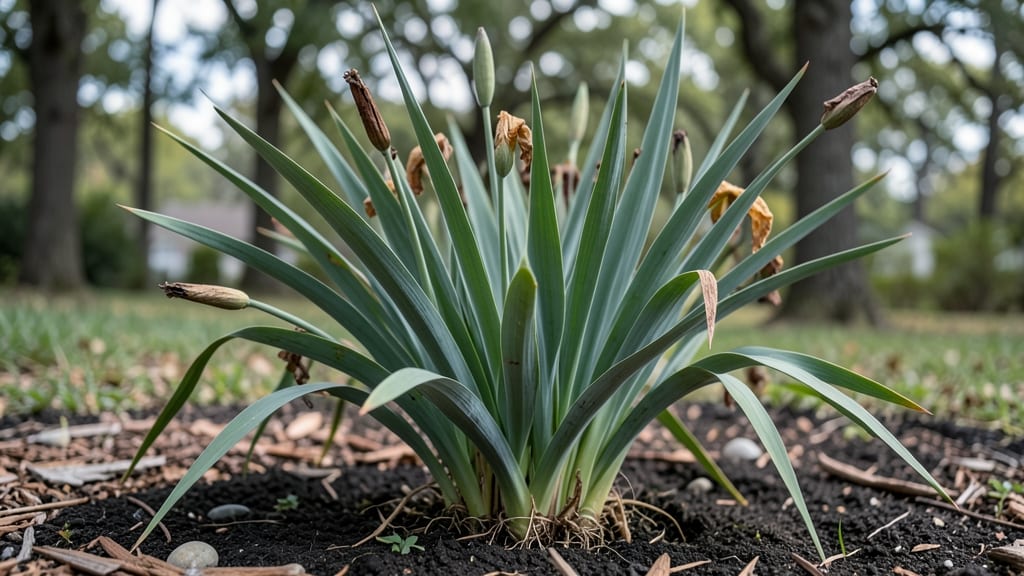
Harvesting Louisiana iris seed pods before they twist open is the secret to saving viable seeds year-round. 🌿 I’ve learned the hard way—wait too long, and the pods crack on their own, scattering seeds everywhere or leaving them too dry to germinate.
The key is timing: collect them when they’re plump and firm but still sealed, usually in late summer or early fall after blooming. You’ll need sharp pruning shears, a paper bag for each pod, and a notebook to track varieties.
Louisiana’s humid climate means pods mature faster than in drier regions, so check them weekly once they form. A twist-resistant approach involves gently snipping the stem just above the pod—never pull—then storing them in a cool, dry place until ready to process.
Once you crack open those pods, you’ll find flat, dark seeds that look more like tiny raindrops than traditional iris seeds. Plant them fresh or store them in a sealed container with a damp paper towel to maintain moisture.
Germination takes patience—sometimes up to a year—but the payoff is worth it: hardy Louisiana irises that thrive in our heat and humidity. This method works for both gardeners in Louisiana and those in similar climates. The twist?
Even if you miss the perfect harvest window, you can still salvage seeds with a little extra care. Let’s get those pods before they twist away!
📚 In This Guide
- What you need
- Instructions
- Tips and common mistakes
- Wrapping up and next steps
What you need
- ● Pruning shears or sharp garden scissors – For clean cuts without damaging the plant.
- ○ Gloves (optional but recommended) – Thorn-resistant or heavy-duty for protection.
- ● Paper bags or breathable mesh sacks – 1-2 bags per harvest (10–15 pods per bag).
- ● Labeling tags & permanent marker – To track variety and harvest date.
- ● Drying tray or screen – A flat, elevated surface for airflow.
- ○ Small fan (optional but helpful) – For faster drying in humid climates.
- ● Desiccant packets (silica gel) – For long-term seed storage in airtight containers.
- ● Seed envelope or glass jar – For storing dried pods or extracted seeds.
- ● Spray bottle with water – For misting pods if they dry too quickly.
- ● Notebook or app (e.g., Gardenate) – To log harvest details like pod color, size, and viability.
How to harvest Louisiana iris seed pods without breaking them
Here's the gentle method I use to collect viable seeds without damaging the delicate pods.
🌿 Step 1: Identify and Wait for Proper Pod Maturity
Louisiana iris seed pods turn from green to a papery brown when fully mature—this usually happens in late summer to early fall, depending on your climate. I wait until the pods feel slightly crisp when squeezed gently, but don't wait too long or they'll split open naturally and scatter seeds everywhere.
Check pods weekly after they first change color. The best time to harvest is on a dry morning after the dew has evaporated—this prevents moisture from making the pods slippery and harder to handle. If rain is forecast, harvest immediately, as wet pods are nearly impossible to work with.
✂️ Step 2: Cut Pods with Clean Pruners
Use bypass pruners (not anvil pruners) to snip the stem about 2 inches below the pod. This leaves enough stem attached to keep the pod stable while you work. I always sterilize my pruners with rubbing alcohol first—this prevents any fungal spores from contaminating the seeds inside.
Cut at a 45-degree angle to increase surface area for healing. This small detail helps the plant recover faster and reduces stress. Avoid twisting or pulling the pods—they're more delicate than they look and often split if handled roughly.
🪴 Step 3: Dry Pods Properly to Prevent Mold
Lay the harvested pods in a single layer on a mesh screen or paper towel in a dry, shady spot with good airflow. I place them in a well-ventilated area (like a covered porch or garage) where temperatures stay between 65-75°F. Avoid direct sunlight—it can overheat the pods and cause them to crack prematurely.
Turn the pods every 2-3 days to ensure even drying. They're ready when the outer shell feels completely dry and papery, which usually takes 2-3 weeks. If you see any dark spots or fuzzy growth, remove that pod immediately—it's starting to mold and will ruin the seeds inside.
🌱 Step 4: Extract and Store Seeds Correctly
Once fully dry, gently squeeze the pod between your fingers until it opens naturally. Louisiana iris seeds are flat and brown, about the size of a small pea. I place them in a paper envelope (not plastic—seeds need to breathe) and label it with the variety and harvest date.
Store the seeds in a cool, dark place (like a seed drawer in your fridge) where temperatures stay around 40-50°F. They'll remain viable for 1-2 years if stored properly. Don't refrigerate them in a bag with moisture—condensation will cause the seeds to rot before they even sprout.
⏰ Step 5: Plant Seeds at the Right Time
Sow Louisiana iris seeds in early spring (after the last frost date) or in fall for a winter germination. Scatter them on the surface of moist, well-draining soil—they don't need to be buried. Press them lightly into the soil with your fingers, then mist gently with water.
Keep the soil consistently moist (not soggy) until germination, which can take 4-8 weeks. Seedlings are slow to emerge, so don't be tempted to water heavily or they'll rot before sprouting. Once they appear, thin to 6 inches apart—crowding will stunt their growth.
Tips & tricks for harvesting Louisiana iris seed pods
These subtle techniques will help you collect seeds without damaging delicate pods—saving you time and frustration.
Timing is Everything: In Step 1, when pods turn papery brown, squeeze gently to test crispness. Harvest immediately if rain is forecast—wet pods are nearly impossible to handle. I've lost entire batches waiting too long, so check weekly after color change. The pods should feel dry but not brittle, like a crisp autumn leaf.
Tool Selection Matters: For Step 2, bypass pruners are non-negotiable—they cut cleanly without crushing. I sterilize mine with rubbing alcohol before each use to prevent fungal contamination. The 45-degree angle cut isn't just aesthetic; it creates more surface area for faster healing. Avoid scissors or knives—they tear rather than cut cleanly.
Drying Strategy: In Step 3, the 65-75°F temperature range is critical for even drying. I use a mesh screen under my covered porch to maximize airflow while keeping pods out of direct sunlight. Turn them every 2-3 days to prevent uneven drying—this is where most people see mold develop. A fan on low speed can speed up the process by 30% without risking overheating.
Storage Wisdom: The cool 40-50°F storage temperature in Step 4 is your secret weapon for long-term viability. I use paper envelopes because they allow moisture to escape while keeping seeds protected. Label each envelope with the harvest date—after 1-2 years, germination rates drop significantly. Never store in plastic bags, even if they're sealed.
Pro Tips for Louisiana Iris Seed Pods
- These subtle techniques will help you collect seeds without damaging delicate pods—saving you time and frustration.
- Timing is Everything: In Step 1, when pods turn papery brown, squeeze gently to test crispness.
- Tool Selection Matters: For Step 2, bypass pruners are non-negotiable—they cut cleanly without crushing.
Frequently asked questions
Got questions about Louisiana iris seed pods?
You’re not alone! Here are answers to the most common inquiries—from harvesting tips to troubleshooting—so you can save those pods like a pro.
When is the best time to harvest Louisiana iris seed pods?
Harvest pods when they turn tan or brown and start splitting open—usually late summer to early fall (August–October in Louisiana’s climate). Wait too long, and seeds may scatter or lose viability. Pro tip: Check pods weekly for readiness!
How do I safely remove pods without damaging them?
Use clean pruners or scissors to snip the stem just above the pod. Avoid twisting—this can crush seeds inside. Place pods in a paper bag (not plastic) to dry for 1–2 weeks in a shady, well-ventilated spot.
What’s the best way to store harvested Louisiana iris seed pods?
Store pods in a cool, dry place (like a sealed envelope or jar with silica gel) for up to 1 year. Label them with the harvest date! Key: Avoid humidity—mold ruins seeds fast.
Can I plant Louisiana iris seeds directly from pods?
Yes! Once pods are fully dried, gently crush them to release seeds. Plant them shallowly (¼ inch deep) in moist soil, or stratify them in the fridge for 4–6 weeks to mimic winter for faster germination.
Why aren’t my Louisiana iris pods opening or producing seeds?
Common causes: lack of pollinators (hand-pollinate with a paintbrush!), over-fertilizing (reduces flowering), or immature plants (wait 2–3 years for blooms). If pods form but don’t split, they may need more sunlight (6+ hours/day).
What if I miss the harvest window—can I still save seeds?
If pods scatter seeds prematurely, collect them from the ground and dry them immediately. Viability drops after 2 weeks on wet soil, but fresh seeds can still sprout. For next year, mark blooming stalks early!
Wrapping up and next steps
Harvesting Louisiana iris seed pods with care ensures you’ll enjoy vibrant blooms year after year—no twisty surprises needed! 🌱 By using the right tools, timing your harvest, and storing seeds properly, you’re setting yourself up for a thriving garden.
Whether you’re a seasoned gardener or just starting out, these tips make the process simple and rewarding.
Ready to put your new skills to the test? Grab those pods, plant with confidence, and watch your Louisiana irises flourish! 🌸 For extra inspiration, check out local gardening forums or seed-saving communities to share your progress and learn from others.