
Lawn
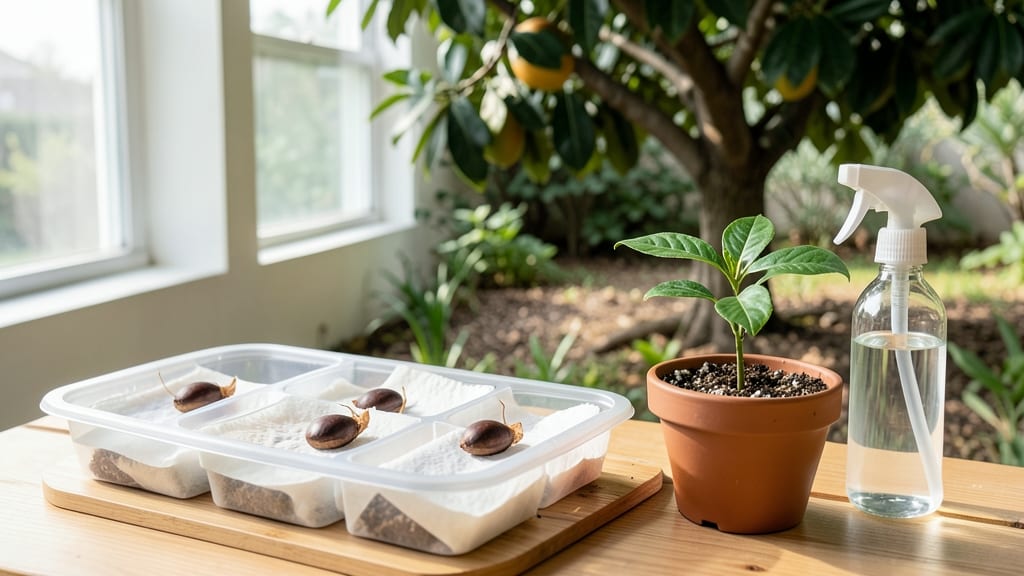
Watch that mango seed unfold through its growth stages—it’s the most exciting part of growing your own tree. 🌱 The journey from a tiny pit to a sturdy sapling in six months feels like magic, but it’s all about patience and the right conditions.
I’ve grown three from seed, and each one taught me something new about timing, soil, and sunlight.
First comes the germination stage, where the seed cracks open and a tiny root emerges. Keep the soil warm (75°F or higher) and moist, and within days, a sprout will push through.
Next, the seedling phase brings those first leaves—delicate and vulnerable, but full of potential. This is when proper light becomes critical; too little, and they’ll stretch weak and leggy.
By month three, you’ll see real growth: thicker stems, broader leaves, and maybe even a second set of true leaves. This is when roots start branching out, so watering matters most—too much drowns them, too little stunts them.
With consistent care, your sapling will be tree-ready by six months, ready for transplanting into a permanent home.
Even if you’ve never grown a mango before, these stages make it manageable. The biggest challenge? Avoiding overwatering or letting the soil dry out completely. Once you nail those, you’re on track for a thriving young tree that could one day bear fruit. Let’s get those seeds sprouting!
📚 In This Guide
- What you need
- Instructions
- Tips and common mistakes
- Wrapping up and next steps
What you need
- ● Mango seeds: 1–3 fresh, plump seeds (harvested from ripe, organic mangoes for best results).
- ● Well-draining potting mix: 2–3 gallons of a blend like cactus/succulent mix (or 50% peat moss + 50% perlite).
- ● Small pots or seed trays: 4–6 inches in diameter (with drainage holes!).
- ● Spray bottle: For gentle watering (avoid over-saturation!).
- ● Plastic wrap or humidity dome: To maintain moisture during germination.
- ● Grow lights or sunny windowsill: A south-facing window (6+ hours of light/day) or a 10W LED grow bulb.
- ● Fertilizer: Balanced liquid fertilizer (5-5-5 or 10-10-10) diluted to half-strength.
- ● Heating mat: (70–80°F) to speed up germination (especially in cooler climates).
- ● pH test kit: To ensure soil pH is between 5.5–6.5 (ideal for mango seeds).
- ● Pruning shears: For trimming leggy seedlings later.
- ● Larger container: 1-gallon pot for transplanting after 3–4 months.
Step-by-Step instructions for growing mango trees from seed
Here's how to nurture a mango seed into a sturdy sapling ready for outdoor planting.
🌱 Step 1: Extract and Prepare the Seed
Start with a fresh, plump mango seed—avoid small or shriveled ones. Use a sharp knife to carefully cut through the hard outer shell along its seam, then gently pry it open. You'll find the actual seed inside, encased in a brown, papery covering. Remove this covering by peeling it away like you would an orange.
Rinse the exposed seed under cool water to remove any remaining flesh. The seed itself should be smooth and ivory-colored. Place it between two paper towels, then wrap it tightly and secure with a rubber band. This keeps the seed moist and ready for germination. Store the wrapped seed in a plastic bag and refrigerate for 3-4 weeks—this cold treatment mimics natural dormancy and improves germination rates.
💧 Step 2: Germinate the Seed Indoors
After the cold treatment, soak the seed in warm water for 12-24 hours to soften the hard outer layer. Place it in a small container with 2-3 inches of moist potting mix, pressing it down just enough so the top half remains exposed. Cover the container with plastic wrap to retain humidity and place it in a warm spot, ideally 70-80°F, like on top of a refrigerator.
Keep the soil consistently moist but not soggy—water lightly when the top inch feels dry. Germination can take 2-6 weeks, so patience is key. You'll know it's working when a small white root appears first, followed by a sprout breaking through the soil. Once the sprout reaches 2 inches tall, it's time to transplant into a larger container.
☀️ Step 3: Transplant to a Larger Container
Choose a 6-inch diameter pot with drainage holes and fill it with well-draining potting mix. Gently remove the seedling from its original container, being careful not to damage the delicate root. Plant it at the same depth it was growing before, pressing the soil lightly around the base to secure it.
Place the pot in a location with bright, indirect light—direct sun can scorch young leaves. Water the soil until it's evenly moist, then let the top inch dry out before watering again. Fertilize lightly with a balanced, water-soluble fertilizer diluted to half strength after 4 weeks. You'll notice new leaves emerging as the plant adjusts to its new home, signaling healthy growth.
🌿 Step 4: Harden Off and Prepare for Outdoors
Once the seedling has 4-6 true leaves and stands 6-8 inches tall, it's ready for hardening off. Start by placing it outside in a shaded, sheltered spot for 1-2 hours the first day. Gradually increase the time spent outdoors over 10-14 days, exposing it to more sunlight and wind each day.
After a full week of outdoor acclimation, you can move the sapling to a larger 10-12 inch pot or directly into the ground if temperatures are consistently above 50°F. Choose a sunny location with well-draining soil, and water deeply after planting. The goal is to establish a strong root system before the first frost, setting the stage for years of growth ahead.
Tips & tricks for growing mango trees from seed
Between us, these little details can make all the difference when growing your mango seed into a thriving sapling.
Seed Selection: The right seed is your foundation—look for plump, heavy mangoes with no cracks or soft spots. The seed should feel dense when you tap it; if it sounds hollow, it won't germinate. I've learned the hard way that store-bought mangoes often have seeds that've been treated to prevent sprouting, so opt for fresh, organic mangoes when possible.
Cold Treatment Timing: That 3-4 week cold treatment in Step 1 is non-negotiable for breaking dormancy. Set a reminder in your phone—consistency matters! Place the wrapped seed in a plastic bag with a damp paper towel to maintain moisture during refrigeration. If you forget to refrigerate, germination rates drop dramatically, and you might wait months for results.
Transplanting Technique: When moving your 2-inch seedling to the 6-inch pot in Step 3, handle the root like it's made of glass. The taproot is delicate and can snap easily if bent. Gently loosen the soil around the edges before lifting to minimize root damage. After transplanting, water thoroughly to settle the soil and eliminate air pockets around the roots.
Light Management: Bright, indirect light is crucial during the early stages—think filtered sunlight through a sheer curtain. Direct sunlight can scorch tender new leaves, while too little light leads to leggy, weak seedlings. If your home lacks natural light, consider a grow light on a timer for 12-14 hours daily until your sapling is hardened off.
Pro Tips for Mango Seed Growth Stages
- Between us, these little details can make all the difference when growing your mango seed into a thriving sapling.
- Seed Selection: The right seed is your foundation—look for plump, heavy mangoes with no cracks or soft spots.
- Cold Treatment Timing: That 3-4 week cold treatment in Step 1 is non-negotiable for breaking dormancy.
Frequently asked questions
Got questions about growing mango trees from seeds? You’re not alone! Here are some of the most common queries—and their straightforward answers—to help you navigate the journey from seed to sapling with confidence.
How long does it take for a mango seed to sprout?
A mango seed typically sprouts within 2 to 4 weeks after planting, depending on moisture, temperature (ideal: 70–85°F), and seed viability. Keep the soil consistently damp (not soggy) and place the pot in a warm, bright spot. Patience is key—some seeds take up to 6 weeks to crack open!
Can I grow a mango tree from any store-bought mango seed?
Yes, but with a caveat! Store-bought mango seeds can grow into trees, but they may not produce fruit identical to the parent mango due to genetic variability. For consistent results, source seeds from a known mango variety or graft a sapling later. Pro tip: Choose seeds from ripe, organic mangoes for better germination rates.
What’s the fastest way to speed up mango seed germination?
To jumpstart growth, try these tricks:
- Soak the seed in warm water for 24–48 hours before planting.
- Use a heating mat (75–85°F) to mimic tropical conditions.
- Plant the seed vertically (pointy end up) in a well-draining mix (50% perlite/50% peat).
Why is my mango seed rotting instead of sprouting?
Overwatering or poor drainage are the usual culprits. If your seed feels mushy or smells foul, it’s likely rotting. Fix this by:
- Using a pot with drainage holes and a lightweight soil mix.
- Watering only when the top inch of soil is dry.
- Avoiding plastic bags or tight covers (they trap excess moisture).
How do I care for a mango seedling once it sprouts?
Once your seedling emerges, shift to indirect sunlight (6+ hours/day) and reduce watering to once a week (let soil dry between waterings). Fertilize lightly with a balanced 10-10-10 mix every 2 months once true leaves appear. Keep it in a humid environment (like a greenhouse or under a plastic dome) until it’s sturdy enough for outdoor conditions.
Bonus Tip:
Label your seedling with the mango variety and planting date! Tracking progress helps you celebrate milestones—like first leaves, roots, or even that first (hopefully) edible fruit in 3–5 years. Happy growing!
Wrapping up and next steps
Growing a mango tree from seed is a rewarding journey that combines patience, care, and a little science! 🌱 From sprouting to transplanting, each stage builds the foundation for a thriving sapling.
Whether you're a gardening beginner or a green-thumb enthusiast, understanding these mango seed growth stages empowers you to nurture your tree with confidence.
Ready to watch your tiny seed transform into a lush, leafy sapling? Start today! Grab your supplies, follow the steps, and enjoy the magic of nature unfolding right before your eyes. In just six months, you could be on your way to a homegrown mango tree—what’s stopping you?