
Propagation
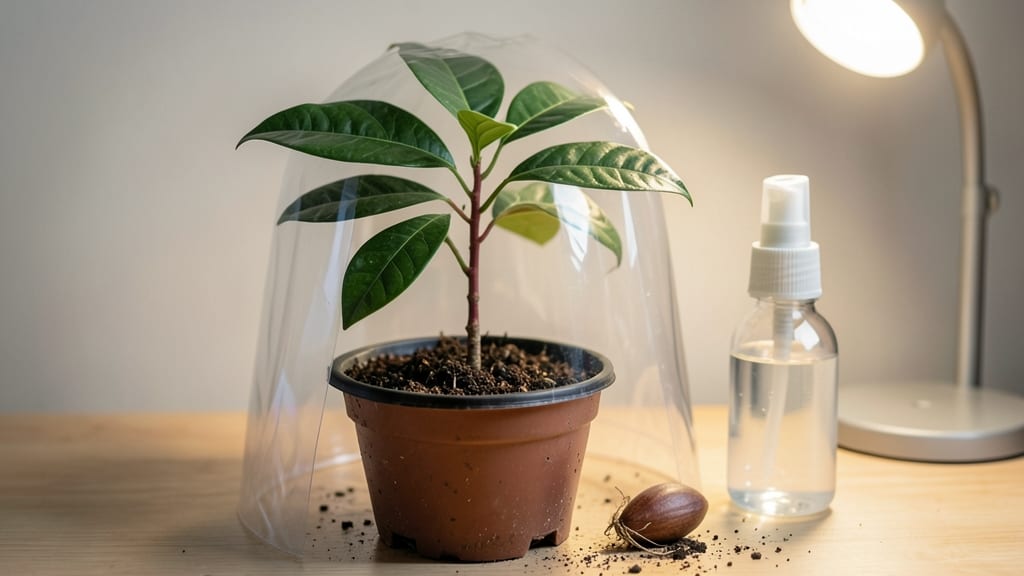
Growing a mango tree from seed indoors turns your kitchen into a tropical jungle—with just one pit, a sunny window, and patience. 🌱 I’ve nurtured three from grocery store seeds, and though they won’t fruit for years, the journey is pure magic.
The key is mimicking their native rainforest conditions, even if you’re in a cold climate.
Start with a seed from a ripe mango (save the pit for weeks to dry the outer flesh), then plant it in a mix of 50% potting soil and 50% perlite to prevent rot.
Keep the soil damp but never soggy—mold is the #1 killer of indoor seedlings. Within 2-4 weeks, a sprout will appear, signaling the real adventure begins.
By month 6, your seedling will reach 12-18 inches tall, with glossy leaves that smell faintly of citrus. Move it to a south-facing window (or grow light) for 6+ hours of sunlight daily, and rotate the pot weekly so it grows straight.
The roots will tangle through the container, ready for their first transplant.
Here’s the plot twist: these trees take 5-10 years to bear fruit indoors, but the lush foliage alone makes it worth it. Prune leggy growth in spring, and by summer, you’ll have a 5-foot tropical statement piece—even if it’s just for show.
The real reward? Watching neighbors ask, “Did you really grow that from a grocery store pit?”
📚 In This Guide
- What you need
- Instructions
- Tips and common mistakes
- Wrapping up and next steps
What you need
- ● Mango seed – A fresh, viable seed from a ripe mango (preferably organic or pesticide-free). Quantity: 1-2 seeds per pot.
- ● Small pots or seed trays – 4-6 inch diameter pots with drainage holes or a seed tray with individual cells. Quantity: 1-2 per seed.
- ● Well-draining potting mix – A blend of 50% peat moss or coconut coir, 30% perlite or vermiculite, and 20% sand or compost for aeration.
- ● Plastic wrap or humidity dome – To retain moisture while the seed germinates.
- ● Spray bottle – For gentle watering without disturbing the soil.
- ● Grow lights or a sunny windowsill – A south-facing window (6+ hours of sunlight daily) or a full-spectrum LED grow light (12-16 hours/day).
- ○ Fertilizer (optional but helpful) – A balanced liquid fertilizer (10-10-10 or 20-20-20) diluted to half-strength for young seedlings.
- ● Heating mat – Speeds up germination (70-85°F ideal).
- ● Humidity tray – A shallow tray with pebbles and water to boost moisture levels.
- ● Pruning shears – For trimming leggy growth or shaping the tree later.
- ● Support stake or trellis – As the seedling grows taller (6+ inches).
- ● pH testing kit – Ensures soil pH stays between 5.5-7.0 (mangoes prefer slightly acidic to neutral).
Step-by-Step instructions for growing a mango tree from seed indoors
Here's how I turn a grocery store mango into a thriving houseplant—no green thumb required.
🌱 Step 1: Extract and Prepare the Seed
Start with a ripe mango—its skin should yield slightly when pressed. Cut the fruit in half lengthwise, then carefully pry out the single large seed with a spoon. Rinse it under cool water to remove any remaining fruit residue. You'll notice the seed has a hard, glossy shell—this protects the embryo but needs softening before planting.
Place the seed in a small bowl and cover it with warm water (about 80°F) for 24-48 hours. I like to use a mesh bag to keep the seed submerged without losing it. After soaking, the seed will feel noticeably softer when pressed between your fingers—this is your cue it's ready for planting.
🪴 Step 2: Plant the Seed in a Moist Growing Medium
Fill a 4-6 inch diameter pot with a well-draining mix of 50% potting soil and 50% perlite or coarse sand. The perlite prevents root rot, which is the #1 killer of young mango seedlings. Moisten the mix until it feels like a damp sponge—squeeze a handful and see if a few droplets form, but no water should run out.
Plant the seed about 1 inch deep, with the pointed end facing upward. Press gently around the seed to remove air pockets, but don't compact the soil. Place the pot in a warm spot (around 75-80°F) like on top of a refrigerator or near a sunny window. Cover the pot loosely with plastic wrap to retain humidity, but leave a small gap for airflow.
☀️ Step 3: Provide Warmth and Light for Germination
Check the soil daily—it should stay consistently moist but never soggy. Mist the plastic wrap occasionally if it fogs up. Germination can take 2-6 weeks, depending on your home's warmth. You'll know it's working when you see a tiny white root emerge first, followed by a sprout breaking through the soil.
Once the sprout reaches 2-3 inches tall, remove the plastic wrap completely. Move the seedling to a bright, indirect light spot—south or west-facing windows work best. Avoid direct midday sun, which can scorch delicate new leaves. Rotate the pot a quarter turn weekly so the seedling grows straight toward the light.
🌿 Step 4: Care for the Seedling Through Early Growth
Water the seedling when the top 1 inch of soil feels dry—stick your finger in to check. Mango seedlings hate soggy roots, so always water at the base and avoid wetting the leaves. After 4-6 weeks, when the seedling has 4-6 true leaves, transplant it into a 6-8 inch pot with fresh potting mix.
Feed the seedling with a balanced liquid fertilizer (10-10-10) diluted to half-strength every 4-6 weeks during spring and summer. You'll notice new leaves emerging in clusters—this is your sign the plant is thriving. Keep the pot in a warm spot (above 65°F) and protect it from drafts, which can stunt growth.
⏰ Step 5: Transition to Mature Care (6+ Months)
By 6 months, your mango tree will likely be 2-3 feet tall with a sturdy trunk. Repot it into a 10-12 inch pot if it's outgrowing its current container. Prune any leggy growth by cutting just above a leaf node to encourage bushier growth. You can also pinch off the tips of new branches to redirect energy into trunk strength.
Gradually introduce it to outdoor conditions if you live in a warm climate. Place it in a shaded spot for 1-2 hours the first day, then increase exposure over 1-2 weeks. Even if it doesn't fruit indoors, your mango tree will reward you with glossy, tropical foliage and a satisfying connection to the tropics—no grocery store required.
Tips & tricks for growing a mango tree indoors
These simple strategies will help you avoid common pitfalls and maximize your mango seedling's potential.
Soaking Success: In Step 1, don't rush the 24-48 hour soak—this is where the magic happens! The warm 80°F water mimics tropical conditions, softening the seed's hard shell and activating the embryo. I've found that seeds soaked for exactly 48 hours germinate faster than those done at 24 hours. Change the water halfway through if it gets cloudy, which helps prevent mold from developing on the seed.
Pot Selection Matters: When choosing your 4-6 inch pot in Step 2, opt for terracotta over plastic—it breathes better and prevents root rot. The drainage holes are non-negotiable! If your only option is plastic, add extra perlite to the mix (up to 60%) to compensate. I've seen seedlings drown in pots without proper drainage, so always check for this before planting.
Lighting Hack: For Step 3, if your windows aren't bright enough, supplement with a simple LED grow light. Place it 6-12 inches above the seedling for 12-14 hours daily. I use a basic 10-watt bulb on a timer—it's cheap and effective. The key is bright, indirect light; direct sun through glass can actually burn tender leaves, so rotate your pot weekly to prevent lopsided growth.
Transplanting Timing: In Step 4, when you're ready to move your seedling to a 6-8 inch pot, do it right after watering when the soil is moist. This reduces transplant shock. Gently loosen the roots with your fingers before placing it in the new pot—don't wash off the old soil. I've found that seedlings transplanted this way establish themselves faster and show less stress.
Pro Tips for Grow A Mango Tree From Seed Indoors
- These simple strategies will help you avoid common pitfalls and maximize your mango seedling's potential.
- Soaking Success: In Step 1, don't rush the 24-48 hour soak—this is where the magic happens!
- Pot Selection Matters: When choosing your 4-6 inch pot in Step 2, opt for terracotta over plastic—it breathes better and prevents root rot.
Frequently asked questions
Got questions about growing a mango tree from seed indoors? You’re not alone! Here are some of the most common concerns—and their answers—to help you troubleshoot and succeed.
How long does it take for a mango seed to sprout?
A mango seed typically sprouts in 2 to 4 weeks if kept warm (70–85°F) and moist. Patience is key—some seeds take up to 6 weeks. If nothing happens after a month, gently check for rot or mold and adjust humidity or warmth.
Can I grow a mango tree indoors year-round?
Yes, but with care! Mango trees thrive indoors in warm climates (65°F+), but they’ll need bright light (a south-facing window or grow lights) and humidity (mist leaves or use a pebble tray). In winter, reduce watering and watch for leaf drop—a sign of stress.
Will my indoor mango tree ever produce fruit?
Probably not—indoor-grown mango trees from seed are rarely fruitful due to space and pollination limits. However, they make stunning ornamental plants with glossy leaves! For fruit, graft a variety like ‘Keitt’ or ‘Haden’ onto your seedling later.
Why are my mango seedling’s leaves turning yellow?
Yellow leaves usually mean overwatering or nutrient deficiency. Let the top inch of soil dry out between waterings, and fertilize lightly (every 2–3 months) with a balanced houseplant food. Check for pests like spider mites too!
Can I use any mango seed, or does it matter?
You can use any fresh, healthy mango seed, but avoid hybrid or irradiated seeds (common in grocery stores). For best results, pick seeds from ripe, organic mangoes—they’re more likely to sprout. Save seeds from heirloom or tropical varieties for unique growth patterns!
Wrapping up and next steps
Growing a mango tree from seed indoors is a rewarding journey that blends patience with the joy of nurturing life. 🌱 With the right care—from soaking your seed to providing bright light and consistent warmth—you’ll watch roots sprout and tiny leaves unfurl in just 6 months.
Remember, even if your tree doesn’t bear fruit true to its parent (or takes years to bloom), the process is pure magic for green thumbs and beginners alike!
Now that you’re armed with tips, take the next step: grab that seed, pick your pot, and get growing! Share your progress with fellow plant lovers—your indoor mango adventure might inspire someone else’s green dreams. Happy planting! 🌿✨