
Lawn
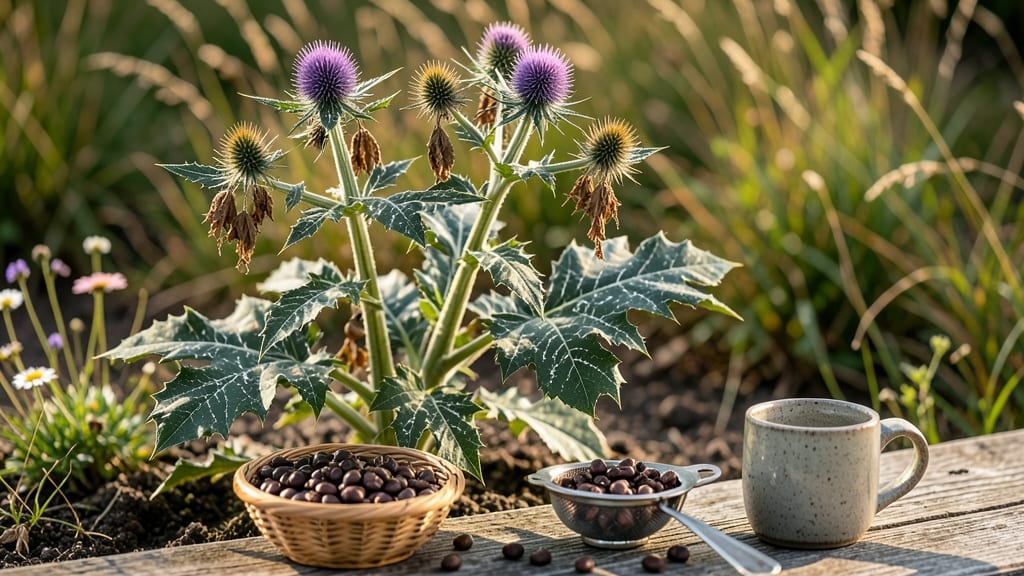
Brewing milk thistle seed tea from your own homegrown plants unlocks a potent liver tonic with none of the store-bought price tag. 🌿 The process starts with fresh seeds—whether you harvest them from your garden or buy them pre-packaged, the bitter-sweet flavor and detoxifying benefits are the same.
I’ve been making this tea for years after my first batch of homegrown seeds transformed my approach to natural wellness.
The tea itself is simple to prepare: just steep 1 teaspoon of crushed seeds in hot water for 10-15 minutes. No fancy equipment needed—just a mug, a strainer, and patience.
The key is consistency; drinking it daily supports liver function, but start slow to let your body adjust to the bitter taste. Store-bought seeds work fine, but growing your own ensures you know exactly what’s in your cup.
You’ll notice the difference in energy and digestion within weeks—less bloating, clearer skin, and even better sleep. The silymarin in milk thistle seeds is a powerhouse for liver health, and the ritual of brewing it daily makes self-care feel intentional.
Just remember: start with ½ teaspoon if you’re new to it, and avoid it if you have ragweed allergies.
Growing milk thistle is optional but rewarding—it thrives in poor soil and full sun, making it perfect for neglected corners of your garden. If you do cultivate it, harvest seeds in late summer when they turn brown and fluffy.
Whether you grow it or not, this tea is a game-changer for anyone looking to support their liver naturally.
📚 In This Guide
- What you need
- Instructions
- Tips and common mistakes
- Wrapping up and next steps
What you need
- ● Milk thistle seeds (Silybum marianum) – 1–2 teaspoons (2–5 grams) per cup of tea. Opt for organic, whole seeds (or pre-ground powder if you prefer convenience). Look for reputable brands or harvest your own from a trusted source.
- ● Fresh, filtered, or spring water – 1 cup (8 oz or 240 mL) per serving. Avoid tap water if it has strong chlorine or metal tastes.
- ● Teapot, French press, or heatproof mug – Any container that holds heat well. A glass or stainless-steel option is ideal to avoid plastic leaching.
- ● Kettle or stovetop pot – For boiling water. An electric kettle speeds up the process!
- ● Fine-mesh strainer or cheesecloth – To filter out seeds if using whole ones. A metal strainer works best for durability.
- ● Timer – Steeping times matter! A phone timer or kitchen timer keeps you on track.
- ○ Optional: Honey, lemon, or cinnamon – To balance milk thistle’s earthy bitterness. Start with ½ teaspoon honey or a squeeze of lemon per cup.
- ● Pre-warm your teapot – Rinse it with hot water before adding seeds to preserve heat and flavors.
- ● Store seeds properly – Keep them in an airtight container away from light and moisture to maintain potency.
- ● Experiment with ratios – If you’re sensitive to bitterness, start with ½ teaspoon seeds and adjust to taste.
Step-by-step guide to brewing milk thistle seed tea
This simple elixir harnesses the liver-supporting power of milk thistle—just follow these easy steps.
🌱 Step 1: Gather and Prepare the Seeds
Start with 1 teaspoon of dried milk thistle seeds per serving. I like to toast the seeds lightly in a dry skillet over medium heat for about 1-2 minutes—this enhances their flavor and aroma without burning. Let them cool completely before proceeding.
If you're using whole seeds, you can leave them intact, but I find crushing them slightly with a mortar and pestle releases more of the beneficial compounds. Just be sure not to pulverize them into a fine powder, as this can make the tea bitter and harder to strain later.
💧 Step 2: Steep in Hot (Not Boiling) Water
Place the prepared seeds in a 1-cup glass jar or teapot. Pour 1 cup of freshly boiled water over the seeds—boiling water is too harsh and can destroy some of the delicate compounds. Instead, let the water cool for 1-2 minutes until it's just off the boil.
Cover the jar or teapot with a lid or cloth and let the seeds steep for 10-15 minutes. You'll notice the water takes on a pale golden hue and a subtle earthy aroma. If you prefer a stronger brew, steep for up to 20 minutes, but don't exceed this time—over-steeping can make the tea overly bitter.
☀️ Step 3: Strain and Sweeten (Optional)
Strain the tea through a fine-mesh sieve or cheesecloth into your favorite mug. Give the seeds a gentle squeeze to extract every last drop of flavor, but don't press too hard—this can make the tea cloudy. Discard the used seeds after brewing.
For a more palatable flavor, I like to add a touch of honey or a slice of lemon. The bitterness of milk thistle pairs beautifully with these, but remember—this tea is meant to be savored, not masked. If you're sensitive to bitterness, start with just a pinch of sweetener and adjust to taste.
⏰ Step 4: Enjoy at the Right Time for Maximum Benefits
Drink your milk thistle tea first thing in the morning on an empty stomach or 30 minutes before meals. This timing allows the active compounds, like silymarin, to absorb more effectively. I find sipping it slowly over 5-10 minutes helps my body process it better.
For best results, consume it daily for at least 2-3 weeks to support liver function. Store any leftover tea in the refrigerator for up to 24 hours, but I recommend brewing fresh each time to preserve its potency and flavor.
Tips & tricks for perfect milk thistle seed tea
Here's what nobody tells you about making this potent elixir—tricks that'll make all the difference in flavor and benefits.
Toast Those Seeds Just Right: That 1-2 minute toast in a dry skillet over medium heat is crucial—it brings out the nutty aroma without burning. Watch closely! If they darken too quickly, you've lost valuable compounds. I like to shake the pan gently to ensure even toasting. The seeds should smell earthy and warm, not acrid.
Water Temperature Matters: The instructions say to let boiling water cool for 1-2 minutes, but I've found that cooling it for exactly 2 minutes gives me the perfect balance between extraction and preservation of delicate compounds. Any hotter, and you risk destroying the beneficial silymarin; any cooler, and you won't extract enough flavor.
Steeping Strategy: The 10-15 minute steep is ideal for most people, but if you're new to milk thistle, start with 10 minutes to avoid bitterness. Pro tip: Use a thermometer to check water temperature—it should be around 195°F (just off boiling) when you pour it over the seeds. This precision makes a noticeable difference in flavor extraction.
Storage Wisdom: The 24-hour fridge storage limit is strict—after that, the tea loses potency quickly. For maximum freshness, I recommend brewing in small batches. If you must store, keep it in an airtight glass container away from light, and give it a good shake before drinking to redistribute any settled sediment.
Pro Tips for Milk Thistle Seed Tea
- Here's what nobody tells you about making this potent elixir—tricks that'll make all the difference in flavor and ben...
- Toast Those Seeds Just Right: That 1-2 minute toast in a dry skillet over medium heat is crucial—it brings out the nu...
- Water Temperature Matters: The instructions say to let boiling water cool for 1-2 minutes, but I've found that coolin...
Frequently asked questions
Got questions about milk thistle seed tea? You’re not alone!
Here are answers to the most common queries—from brewing basics to troubleshooting tips—so you can sip your way to liver support with confidence.
How do I know if I’m drinking milk thistle tea correctly?
Steep 1–2 teaspoons of crushed milk thistle seeds in 8 oz of hot (not boiling) water for 10–15 minutes. Strain and sip 1–3 cups daily. Pro tip: Start slow—some people experience mild digestive changes at first. If the taste is too bitter, add honey or a cinnamon stick!
What’s the best time of day to drink milk thistle tea?
Morning or afternoon works best for most people. Avoid drinking it too close to bedtime, as it may act as a mild stimulant for some. If you’re using it for digestion, try sipping it 30 minutes before meals. For detox support, split your daily dose into two servings—morning and midday.
Can I use milk thistle seeds instead of tea bags?
Whole or crushed seeds work great—just steep them longer (15–20 minutes) for stronger flavor and benefits. For convenience, buy pre-packaged milk thistle tea bags, but check labels for additives. Warning: Avoid powdered forms unless specified for tea, as they can be too potent.
Why does my milk thistle tea taste so bitter?
Bitter flavor is normal—it’s a sign of active compounds like silymarin! To soften it, try these tricks:
- Steep seeds in cooler water (190°F) to preserve bitterness but reduce harshness.
- Add a slice of lemon or orange peel for brightness.
- Mix with ginger tea (1:1 ratio) to balance flavors.
If bitterness is overwhelming, reduce steeping time to 5–10 minutes.
Can milk thistle tea interact with medications?
Yes! It may affect how your body processes drugs by altering liver enzymes. If you’re on prescription medications (e.g., statins, diabetes drugs, or immunosuppressants), consult your doctor before regular use. Safety note: Avoid during pregnancy or if you have hormone-sensitive conditions (like breast cancer). When in doubt, pause and check!
How long until I notice benefits from drinking milk thistle tea?
Effects vary, but many report improved digestion or energy within 2–4 weeks of consistent use. For liver support, give it at least 3 months to see noticeable changes. Track symptoms (like bloating or fatigue) in a journal to monitor progress. Patience is key—think of it as a slow-burning superfood!
Wrapping up and next steps
Incorporating milk thistle seed tea into your wellness routine could be a delicious yet potent way to support liver health and natural detoxification.
Whether you’re brewing it at home or exploring it as part of a broader self-care regimen, its antioxidant power and gentle yet effective benefits make it a standout choice.
Ready to take the next step? Start small—try a weekly cup or pair it with other liver-friendly foods like leafy greens and citrus. Your body (and liver!) will thank you. 🌿✨