
Lawn
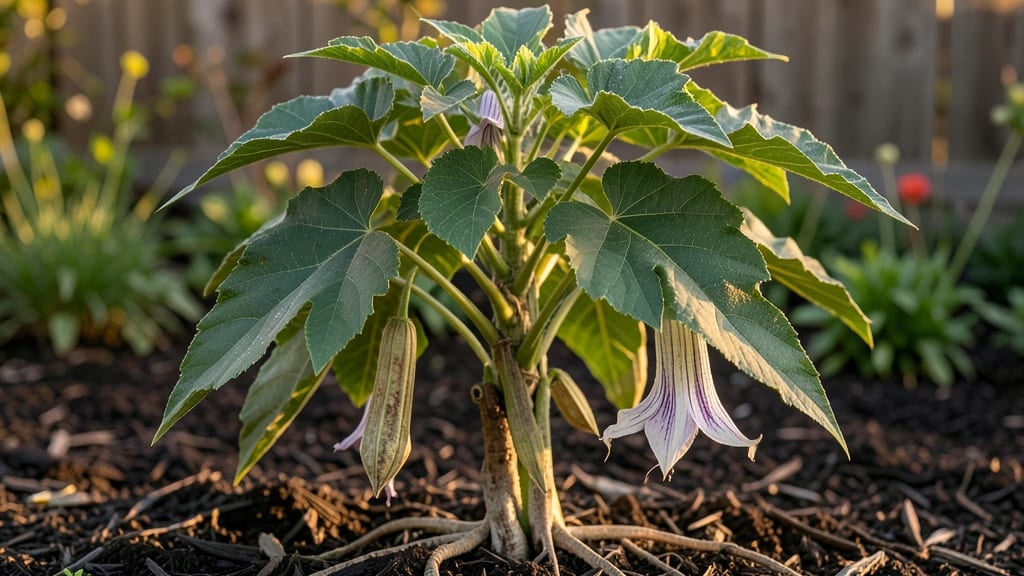
Harvesting moonflower datura seed pods in late fall unlocks next year's dreamy white blooms—if you handle them right. 🌙 These spiky, lantern-like pods contain seeds that need a winter chill to break dormancy, but timing and technique make all the difference between reliable germination and wasted effort.
First, wait until the pods turn brown and crispy after the first frost—they'll pop open on their own, revealing the black, thorny seeds inside. Wear gloves (those thorns pack a punch!) and collect them before they scatter.
Store the seeds in a paper envelope in your fridge for 6-8 weeks to mimic natural cold stratification.
When spring arrives, those chilled seeds will sprout faster and stronger. Plant them ¼ inch deep in well-draining soil, spacing them 18-24 inches apart. The first leaves appear in 10-14 days, followed by those iconic trumpet-shaped blooms by midsummer.
Pro tip: Moonflower seeds are toxic—keep them away from pets and kids. But their striking beauty makes them worth the caution. With this method, you'll have moonlit garden displays for years to come!
📚 In This Guide
- What you need
- Instructions
- Tips and common mistakes
- Wrapping up and next steps
What you need
- ● Moonflower datura seed pods: 2–3 mature, dried pods (harvested from healthy plants). Aim for pods that are fully brown and slightly papery.
- ● Seeds: Extract 10–15 seeds from the pods (they’re nestled inside like tiny treasure!). Pro tip: Wear gloves—datura seeds contain mild toxins!
- ● Cold-stratification supplies: 1 small paper towel or coffee filter
- ● 1 resealable plastic bag (quart-sized or larger)
- ● 1–2 ice cube trays or small containers (for moisture control)
- ● Planting medium: 1 small seed-starting tray (4–6 cell packs) or 1–2 small pots (3–4 inches in diameter) filled with seed-starting mix (sterile, well-draining blend).
- ● Spray bottle: For gentle watering (avoid soaking the seeds!).
- ● Clear plastic wrap or humidity dome: To retain moisture during germination.
- ● Grow lights or sunny windowsill: A bright, indirect light source (12–16 hours/day) speeds up germination.
- ● Heating mat: Keeps soil temps at 65–75°F for faster sprouting.
- ● Label markers: To track seed varieties and planting dates.
- ● Garden journal: Note moisture levels, stratification progress, and germination timelines!
- ● Safety gear: Gloves and a mask (if handling large quantities of seeds or soil).
Step-by-step guide to cold-stratifying moonflower datura seed pods
Here's how to break dormancy and coax those iconic trumpet blooms next spring.
🌱 Step 1: Harvest and Dry the Seed Pods
Collect mature moonflower seed pods when they've turned brown and papery—usually 6-8 weeks after flowering. I snip them with clean scissors and place them in a paper bag to dry for 2-3 weeks in a warm, dry spot. The pods should rattle when shaken, signaling dryness.
Don't rush this step. Green pods won't open properly, and damp seeds risk mold. Once fully dry, gently crush the pods to release the seeds. Store them in an envelope until stratification begins.
💧 Step 2: Prepare the Cold-Stratification Mix
Fill a quart-sized container with a mix of 50% moistened peat moss and 50% perlite. I use a spray bottle to dampen the peat moss until it feels like a wrung-out sponge—never soggy. The perlite ensures proper drainage while the peat retains moisture.
This moisture level mimics natural winter conditions. Too much water invites rot; too little prevents proper chilling. Mix gently with your fingers until evenly damp throughout the container.
☀️ Step 3: Stratify Seeds in the Refrigerator
Sow the moonflower seeds ½ inch deep in the prepared mix, spacing them 1 inch apart. Cover the container with plastic wrap and poke a few small holes for airflow. Place it in your refrigerator's crisp drawer (around 35-40°F) for 6-8 weeks.
Check the mix every 2 weeks—it should stay lightly moist. If the surface dries, mist gently. Cold stratification breaks dormancy, but seeds need consistent moisture to germinate properly. This is where patience pays off.
⏰ Step 4: Transition to Warmth for Germination
After 6-8 weeks, remove the container and place it in a warm spot (70-75°F) with indirect light. Germination typically begins in 10-14 days, though some seeds may take up to 3 weeks. Keep the mix lightly moist but never waterlogged.
Once seedlings emerge, move them to a sunny windowsill or under grow lights for 12-14 hours daily. Moonflowers grow fast—you'll see first true leaves within 3-4 weeks after germination.
🌿 Step 5: Harden Off and Transplant
When seedlings reach 4-6 inches tall and have 4-5 true leaves, begin hardening them off. Place them outdoors in partial shade for 2-3 hours daily, gradually increasing exposure over 10 days. Full sun can scorch tender seedlings.
Transplant after the last frost when soil is 60°F+. Space plants 3-4 feet apart—moonflowers sprawl widely. Water deeply at the base, avoiding wet foliage to prevent disease. With proper care, you'll see those signature trumpet blooms by midsummer.
Tips & tricks for perfect moonflower germination
The secret to those stunning moonflower blooms starts with these key steps that make all the difference between waiting forever and seeing trumpet-shaped blooms next summer.
Pod Selection Matters: Look for pods that are completely brown and papery—no green spots! I've learned the hard way that even a single green pod can ruin the whole batch. The pods should rattle when shaken, indicating they're fully dry. If they feel heavy or squishy, give them more drying time. This is where most people fail—they harvest too early and end up with moldy seeds.
Moisture Balance is Critical: When preparing your peat moss and perlite mix, aim for the consistency of a wrung-out sponge. Too much moisture creates anaerobic conditions that kill seeds, while too little prevents proper chilling. I use a spray bottle to gently mist the mix—just enough so water drips out when squeezed. This mimics natural winter moisture without drowning the seeds. Check moisture every 2 weeks during stratification.
Stratification Environment: The refrigerator's crisp drawer at 35-40°F is ideal, but not all fridges are created equal. If your fridge runs cooler, consider using a seed stratification fridge mat or a dedicated seed fridge. The goal is consistent cold—fluctuations can confuse the seeds. I also label my containers with the start date so I don't forget about them over the holidays.
Germination Patience: Those 10-14 days of waiting after removing from cold can feel endless, but resist the urge to peek daily. Keep the container in a warm spot (70-75°F) with indirect light—direct sun can overheat the mix. I've found that placing it on top of my fridge works perfectly, keeping it warm without needing extra equipment. Once you see sprouts, move to brighter light immediately to prevent leggy seedlings.
Pro Tips for Moonflower Datura Seed Pods
- The secret to those stunning moonflower blooms starts with these key steps that make all the difference between waiting forever and seeing trumpet-shaped blooms next summer.
- Pod Selection Matters: Look for pods that are completely brown and papery—no green spots!
- Moisture Balance is Critical: When preparing your peat moss and perlite mix, aim for the consistency of a wrung-out sponge.
Frequently asked questions
about moonflower datura seed pods—here’s what you need to know before diving in!How long do moonflower datura seed pods take to mature before harvesting?
Moonflower datura seed pods typically mature 60–90 days after flowering, turning from green to a papery brown when ready. Harvest them on a dry day to prevent mold—twist gently or snip with clean scissors to avoid damaging the plant. Store pods in a cool, dry place until stratification.
Can I skip cold stratification for faster germination?
While possible, cold stratification (4–6 weeks in the fridge) mimics winter and breaks dormancy for higher success rates. Without it, germination may be slow (30–60% success) or uneven. For impatient gardeners, try a warm stratification hack: soak seeds in warm water for 24 hours before planting in moist, warm soil (70–80°F).
Are moonflower datura seed pods toxic to pets or kids?
Yes!
All parts of the moonflower datura (including pods) contain tropane alkaloids, which are highly toxic if ingested. Keep pods out of reach of children and pets. Wear gloves when handling, and wash hands thoroughly afterward. If exposure occurs, contact a vet or poison control immediately.
What’s the best way to store moonflower datura seeds for next year?
Store seeds in a paper envelope or breathable container with a drying agent (like silica gel or rice) in a cool, dark place (35–40°F). Label with the date! Seeds remain viable for 2–3 years but lose vigor over time. For best results, stratify fresh pods the same season you harvest them.
Why aren’t my moonflower datura seeds germinating after stratification?
Check these common culprits:
- Old seeds: Datura seeds lose viability quickly—use fresh pods.
- Improper moisture: Soil should stay consistently moist (not soggy) during germination.
- Temperature issues: Ideal germination temp is 65–75°F. Use a seedling heat mat if needed.
- Light exposure: Datura seeds need light to germinate—don’t bury them deep!
Wrapping up and next steps
Moonflower datura seed pods hold the magic of next year’s ethereal blooms—but only if you embrace the patience of cold stratification. By following this blueprint, you’ve unlocked the secret to breaking dormancy and coaxing those dreamy white flowers to life. 🌙✨
Now that you’re armed with knowledge, take the next step: gather your pods, set up your fridge, and watch as nature works its wonder. Before you know it, you’ll be rewarded with a garden that feels like a moonlit fantasy. Happy growing!