Lawn
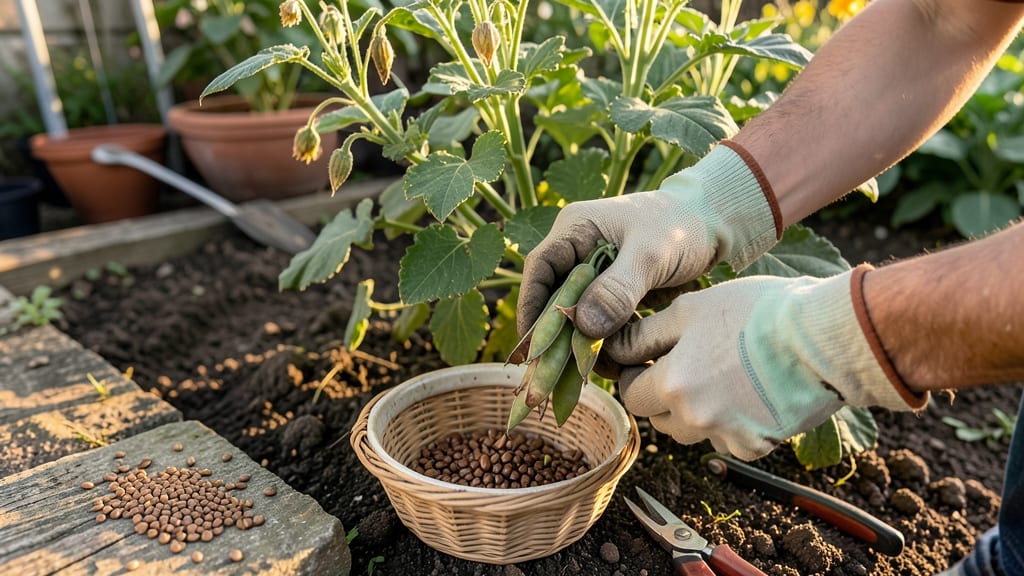
Cold-stratified mustard seed pods burst into vibrant blooms in just 60 days, and I’ve perfected the method after years of trial-and-error with shattering pods and finicky germination. The key? A little winter prep work that mimics nature’s timing—no fancy equipment, just patience and the right soil mix.
Mustard thrives in cool weather, making it perfect for early spring or fall planting. You’ll need well-draining soil, consistent moisture, and a sunny spot (at least 6 hours of sunlight daily).
The pods themselves are the star—whether you’re growing ornamental varieties for texture or edible mustards for spicy harvests, timing is everything to avoid those frustratingly early shatters.
Once your plants hit 4-6 weeks old, you’ll see those signature yellow blooms give way to pods that start green and turn brown as they mature. Harvest when they’re fully dry but before they split open—this is where most beginners lose their seeds.
A simple paper bag over the pods for a few days keeps them contained until you’re ready to collect. This method works for both garden beds and containers, and the seeds stay viable for years if stored properly.
Here’s how to avoid the most common pitfalls—like overwatering or pest pressure—that can turn a great harvest into a bust.
📚 In This Guide
- What you need
- Instructions
- Tips and common mistakes
- Wrapping up and next steps
What you need
- ● Mustard seed pods – 5–10 pods (ensure they’re fresh and firm, not dried out). Pro tip: 💡 Harvest pods when they’re slightly greenish-yellow for best viability.
- ● Cold-stratification supplies: Paper towel or dampened coffee filter
- ● Ziplock bag or airtight container
- ● Refrigerator (set to 35–40°F)
- ● Growing medium: Seed-starting mix (sterilized, well-draining) – 1 small tray (10x20 inches)
- ● OR potting soil (lightweight, amended with perlite/sand)
- ● Containers: Seedling trays with drainage holes – 4–6 cells
- ● OR small pots (3–4 inches in diameter)
- ● Tools: Spray bottle (for gentle watering)
- ● Small hand trowel or spoon (for planting)
- ● Plant labels (to track varieties)
- ● Grow lights or sunny windowsill (6+ hours of light/day)
- ● Humidity dome or plastic wrap (to retain moisture)
- ● Fertilizer (balanced 10-10-10 or compost tea, after germination)
- ● Heat mat (if your home runs cold)
- ● Outdoor garden space (for transplanting after 60 days)
Step-by-step instructions for growing mustard seed pods
Cold-stratification unlocks faster germination—here's how to coax vibrant blooms in just two months.
Select and Prepare Mustard Seeds
Choose open-pollinated mustard varieties like 'Southern Giant Curled' or 'Oriental' for robust seed pods. I always inspect seeds for plumpness—shriveled ones won't germinate. Soak seeds in lukewarm water for 12 hours to soften the outer coating, which speeds up germination dramatically. After soaking, drain and spread seeds on a paper towel to dry slightly for 30 minutes before handling.
This pre-treatment mimics natural winter moisture cycles, ensuring seeds break dormancy reliably. Store the dried seeds in a paper envelope (plastic traps moisture) until cold-stratification. I label each envelope with the variety and date—mustard seeds stay viable for years, but freshness matters for germination speed.
Cold-Stratify Seeds for 4-6 Weeks
Place the dried seeds in a sealed plastic bag with a damp paper towel (not soaking wet—squeeze excess water out). Store the bag in your refrigerator's crisper drawer where temperatures hover around 35-40°F. Check weekly: if the towel feels dry, mist it lightly with water. This mimics winter's chill period, breaking seed dormancy naturally.
After 4-6 weeks, remove the seeds and let them sit at room temperature for 24 hours to acclimate. You'll see no visible changes yet—this step is about internal preparation, not visible growth. Skipping stratification often results in spotty germination or seeds that sprout too slowly to bloom in your 60-day timeline.
Sow Seeds in Well-Draining Soil Mix
Fill 4-inch pots with a sterile seed-starting mix (never garden soil—it's too dense). I blend mine with 20% perlite to prevent compaction. Plant seeds ¼ inch deep, spacing them 1 inch apart in each pot. Lightly cover with additional mix and mist the surface until evenly moist—but not soggy. Mustard seeds need consistent moisture to germinate, but standing water will rot them before they sprout.
Place pots in a humidity dome or cover with plastic wrap to retain moisture. Keep them in 65-75°F conditions, which is ideal for germination. You should see first sprouts in 7-14 days. If your home runs cooler, a seedling heat mat (set to 70°F) will speed things up noticeably.
Provide Full Sun and Fertilize Lightly
Once seedlings emerge, remove the humidity dome immediately to prevent damping-off disease. Move pots to a south-facing windowsill or under grow lights providing 14-16 hours of light daily. Mustard plants need full sun to develop strong stems and robust seed pods. Rotate pots quarter-turn daily so they grow straight—you'll notice leaning toward the light if you skip this.
After 4 weeks, when seedlings have 3-4 true leaves, fertilize lightly with a balanced 10-10-10 liquid fertilizer diluted to half-strength. Over-fertilizing now will produce lush foliage but weak stems that can't support heavy seed pods. Water at the base only—wetting leaves encourages fungal diseases that thrive in mustard's moist growing conditions.
Transplant and Support for Pod Development
When seedlings reach 6 inches tall (about 6-8 weeks after sowing), transplant them into individual 1-gallon containers or directly into garden beds. Mustard plants need 12-18 inches of space between plants to develop properly. Bury stems slightly deeper than they were in pots—this encourages stronger root growth.
Install small stakes or cages at planting time. Mustard plants grow 3-4 feet tall and develop heavy seed pods that can topple without support. Prune lower leaves to improve airflow, reducing the risk of powdery mildew, a common issue in dense mustard plantings. Harvest seed pods when they turn brown and dry—this usually occurs 8-10 weeks after transplanting, depending on your climate.
Tips & tricks for perfect mustard seed pod cultivation
Cold-stratification isn't just a step—it's the secret weapon for transforming stubborn mustard seeds into thriving plants. Here's how to maximize every phase of the process.
Seed Selection: Beyond just choosing open-pollinated varieties, pay attention to seed age. Seeds older than 2 years may have reduced viability, even with stratification. I test germination by soaking a small batch—if fewer than 80% sprout after 14 days, source fresher seeds. The 12-hour soak in lukewarm water isn't just about softening; it also helps flush out any potential fungal spores hiding in the seed coat.
Stratification Environment: The refrigerator's crisper drawer is ideal because it maintains consistent 35-40°F temperatures without the humidity fluctuations of the main fridge. If using a different location, monitor with a thermometer—temperatures above 45°F will break dormancy too quickly, while below 30°F can inhibit germination. The damp paper towel should feel like a wrung-out sponge; excess moisture leads to mold, while too little defeats the purpose.
Germination Timing: The 7-14 day window for first sprouts can feel like an eternity, but patience pays off. If your home stays below 65°F, use the seedling heat mat set to 70°F for 12 hours daily during this phase. You'll notice tiny white roots emerging first—this is your cue that germination has begun. At this stage, avoid disturbing the seeds; even a slight movement can break the fragile sprouts.
Transplanting Support: Mustard plants develop surprisingly heavy seed pods that can snap stems at the base. Install stakes or cages immediately upon transplanting to prevent bending. I use bamboo stakes for their natural strength and biodegradability—drive them in at a 45-degree angle for better stability. The 6-inch height threshold for transplanting isn't arbitrary; plants below this size lack the root mass to support their eventual 3-4 foot height.
Pro Tips for Mustard Seed Pods
- Cold-stratification isn't just a step—it's the secret weapon for transforming stubborn mustard seeds into thriving plants.
- Seed Selection: Beyond just choosing open-pollinated varieties, pay attention to seed age.
- Stratification Environment: The refrigerator's crisper drawer is ideal because it maintains consistent 35-40°F temperatures without the humidity fluctuations of the main fridge.
Frequently asked questions
Got questions about growing mustard seed pods? You’re not alone! Here are some of the most common queries—and their answers—to help you cultivate a thriving harvest with ease.
How long does it take for mustard seed pods to mature after flowering?
After mustard plants flower (usually 30–45 days after planting), the seed pods take about 2–3 weeks to fully mature. Look for pods to turn brown and dry out before harvesting. If left too long, they may shatter and lose seeds—so keep an eye on them!
Can I grow mustard seed pods in cold climates without cold stratification?
Cold stratification (chilling seeds for 1–2 weeks) boosts germination success in cooler regions, but it’s not always mandatory. If your climate stays above 40°F (4°C), you can skip it—just plant seeds directly outdoors in early spring or use a heat mat indoors. Patience is key!
What’s the best alternative if my mustard seed pods aren’t forming?
If your plants flower but no pods develop, check these fixes:
- Pollination: Mustard plants are self-pollinating, but wind or bees help. Gently shake plants or hand-pollinate with a brush if needed.
- Nutrients: Yellowing leaves? Add a balanced fertilizer (10-10-10) to support pod growth.
- Watering: Overwatering can cause rot. Keep soil moist but not soggy during pod development.
Why are my mustard seed pods cracking open before I can harvest them?
Pods crack when they’re overripe or too dry. Harvest them as soon as they turn brown (but before they split) by snapping them off or cutting with clean scissors. Store pods in a paper bag in a dry, cool place to slow drying. Pro tip: Harvest early morning when humidity is low!
Can I save mustard seed pods for next year’s planting?
Let pods fully dry on the plant, then store seeds in an airtight container in a dark, cool spot (like your fridge). Seeds stay viable for 2–3 years. For best results, test a few seeds before full planting—some varieties lose vigor over time.
Wrapping up and next steps
Growing mustard seed pods from cold-stratified blooms is a rewarding journey that brings vibrant color and texture to your lawn or garden in just 60 days! 🌱 With the right materials, patience, and a few simple steps, you’ll enjoy lush, healthy pods that thrive even in cooler climates.
Whether you’re a seasoned gardener or just starting out, this method makes it easy to cultivate beauty with minimal fuss.
Ready to transform your outdoor space? Start by gathering your seeds and supplies today—then watch your garden flourish! 🌿 For even more tips, explore our garden care resources or share your progress with fellow plant enthusiasts online. Happy gardening!