Propagation
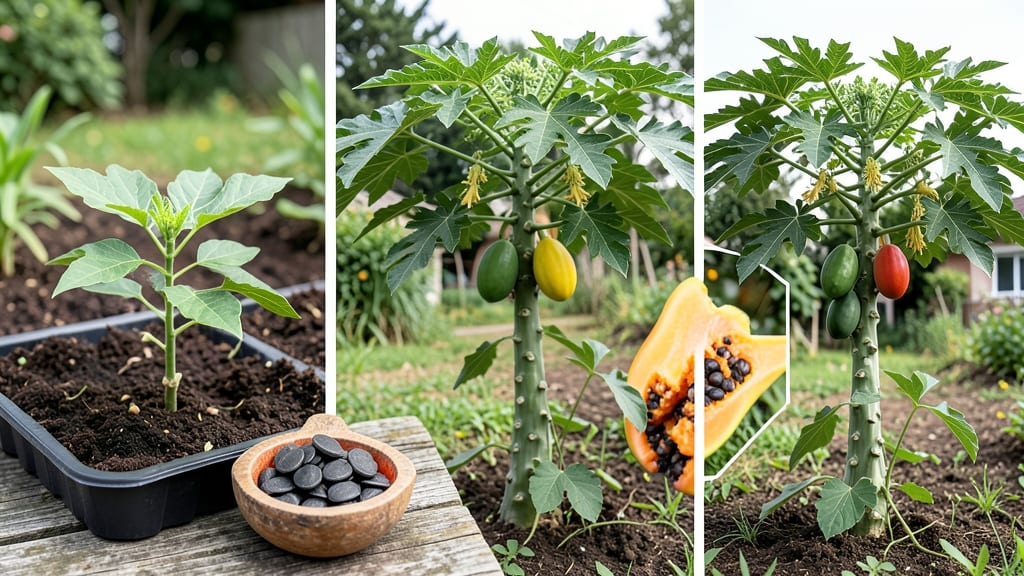
Growing papaya from seed to fruit is one of those shockingly rewarding projects that turns a tiny seed into a tropical treasure in just 6-12 months. 🌱 I’ll never forget the first time I watched my kitchen-grown papaya ripen—it felt like holding a piece of sunshine in my hands.
The secret isn’t complicated, but it is precise: timing, warmth, and patience are everything.
You’ll need a few simple things: fast-draining potting mix, a warm spot (indoors or greenhouse), and a way to simulate tropical humidity. Most people skip the pollination step, but that’s where the magic happens—whether you hand-pollinate or let bees do the work.
The real payoff? A fruit so sweet and vibrant, your neighbors will ask where you bought it.
By month 6, you’ll see those first tiny yellow flowers, and by month 12, you could be harvesting fruit that’s so ripe it practically falls into your hands. The process teaches you more about plant biology than any textbook—from seedling care to fruit development, every step builds confidence.
Even if you’ve killed houseplants before, papayas are foolproof with the right approach.
Whether you’re growing in a sunny windowsill or a greenhouse, this guide covers everything—from troubleshooting slow growth to knowing when your fruit is finally ready. Let’s get those seeds started!
📚 In This Guide
- What you need
- Instructions
- Tips and common mistakes
- Wrapping up and next steps
What you need
- ● Papaya seeds: 3–5 fresh, viable seeds (harvested from a ripe papaya or purchased from a reputable supplier). Pro tip: 💡 Soak seeds in warm water for 24 hours to speed up germination!
- ● Growing containers: Small seedling pots (4–6 inches deep, 2–3 per seed) with drainage holes
- ● Larger nursery pots (10–12 inches deep) for seedlings (1–2 plants per pot)
- ○ Well-draining potting mix: 50% coconut coir or peat moss + 50% perlite or coarse sand (sterilized to prevent disease). Optional: Add 10% compost for extra nutrients.
- ● Grow lights or sunny windowsill: A full-spectrum LED grow light (12–16 hours/day) or a south-facing window (if indoors).
- ● Spray bottle: For gentle watering of seeds and seedlings.
- ● Humidity dome or plastic wrap: To retain moisture during germination.
- ● Fertilizer: Balanced liquid fertilizer (e.g., 10-10-10 NPK) for seedlings
- ● Slow-release organic fertilizer (e.g., worm castings or compost tea) for transplanting
- ● Pruning shears: Sharp, sterilized shears for trimming excess leaves or dead growth.
- ○ Support structure: A bamboo stake or trellis (3–4 feet tall) for mature plants (optional but helpful for heavy fruit).
- ● Climate: Papayas thrive in USDA Zones 10–11 (tropical/subtropical). If you’re in a cooler zone, grow in containers and bring indoors during winter.
- ● Temperature: Ideal range: 70–90°F (21–32°C). Seeds germinate best at 80–90°F (27–32°C).
- ● Sunlight: 6+ hours of direct sunlight daily (indoors or outdoors).
- ● Water: Keep soil consistently moist but not soggy (papayas hate waterlogged roots!).
- ● Soil moisture meter to monitor hydration levels.
- ● Epsom salt (for magnesium boost, especially in flowering stages).
- ● Neem oil or copper fungicide to prevent powdery mildew or pests.
- ● Pollination aid: A small brush or handheld fan to help transfer pollen (if growing indoors).
- ● Garden journal to track growth stages, watering, and fertilizer schedules!
Step-by-step instructions for growing papaya from seed to fruit
Here's my foolproof method for nurturing papaya plants from seed to fruit-bearing maturity.
🌱 Step 1: Start Seeds Indoors in a Warm, Humid Environment
Papaya seeds need warmth to germinate—place them in a small pot filled with moistened seed-starting mix and cover with ¼-inch of soil. I like to use a heat mat set to 80-85°F for consistent germination. Keep the soil damp but not soggy; papaya seeds rot easily if overwatered.
Seal the pot with plastic wrap to create a humid microclimate. Check daily for condensation—this is your signal the environment is just right. Germination typically takes 7-14 days, but some seeds may take longer. Once sprouts appear, remove the plastic immediately to prevent fungal growth.
☀️ Step 2: Provide Bright Light and Gradually Acclimate Seedlings
Papaya seedlings need full sun (6+ hours daily) from the start. Place them under grow lights if natural light is insufficient. I position mine 4-6 inches below the bulbs and adjust as they grow. Leggy seedlings mean the light is too far away—watch for stems stretching toward the source.
After 4-6 weeks, when seedlings have 4-5 true leaves, begin hardening off by moving them outdoors for 1-2 hours daily. Start in a shaded spot and gradually increase sun exposure over 10-14 days. This prevents shock when you transplant them permanently.
🪴 Step 3: Transplant to a Large, Well-Draining Container or Garden Bed
Papayas thrive in well-draining soil with a slightly acidic pH (6.0-7.0). If planting in containers, use 5-gallon pots—they need room for roots to spread. Fill with a mix of potting soil, perlite, and compost (50/30/20 ratio). Dig a hole twice as wide as the root ball and place the seedling 1 inch deeper than it grew in its pot.
Water deeply after transplanting to settle the soil around roots. Mulch with 2 inches of organic material (like straw) to retain moisture and regulate soil temperature. Papayas are tropical—protect them from frost and cold drafts, which can stunt growth or kill the plant.
💧 Step 4: Maintain Consistent Watering and Fertilization
Keep the soil evenly moist but never waterlogged—papayas hate soggy roots. Water at the base in the morning to allow foliage to dry before evening, reducing fungal risks. During fruiting, increase water slightly but avoid overdoing it—this causes fruit to split.
Fertilize every 4-6 weeks with a balanced, water-soluble fertilizer (10-10-10 or 20-20-20). I switch to a potassium-rich formula when flowers appear to support fruit development. Watch for yellowing leaves—this often signals overwatering or nutrient deficiency.
⏰ Step 5: Support Pollination and Harvest Ripe Fruit
Papayas are self-pollinating, but sometimes they need a helping hand. Gently shake the plant or use a small brush to transfer pollen between flowers. Female flowers have a small bulb at the base; male flowers have a long stem. Focus on pollinating female flowers for fruit.
Fruit ripens in 6-12 months depending on variety. Harvest when the skin turns yellow-orange and yields slightly to gentle pressure. Cut the fruit from the vine with clean pruners, leaving a ½-inch stem. Ripen indoors at room temperature—never refrigerate until fully ripe.
Tips & tricks for growing papaya from seed to fruit
Took me years of trial and error to perfect this tropical treasure—here's what actually works.
Heat Mat Hack: The 80-85°F range is non-negotiable for germination. I use a heat mat under my seed tray, but a sunny windowsill can work if your home stays consistently warm. Pro tip: Place a thermometer near the soil surface to monitor—papaya seeds won't germinate below 75°F. If you notice condensation forming on the plastic wrap within 24 hours, you're in the perfect temperature zone.
Lighting Strategy: Those 4-6 inches under grow lights are critical—any farther and you'll get leggy, weak seedlings that can't support themselves. I rotate my seedlings every 2-3 days so all sides get equal light exposure. Watch for stems stretching toward the light source; that's your signal to move them closer immediately. For natural light, place them on a south-facing windowsill during winter months when sunlight is weakest.
Transplanting Wisdom: When you're planting in containers, make sure your 5-gallon pots have drainage holes—papayas despise soggy roots. I add a handful of perlite to the bottom of each pot before adding my soil mix to improve drainage even further. The 1-inch deeper planting might seem counterintuitive, but it helps anchor the plant and encourages stronger root development.
Fertilizer Transition: That switch to potassium-rich fertilizer when flowers appear is crucial for fruit development. I use a 5-10-10 formula at this stage, which gives that extra potassium boost without overwhelming the plant. Yellowing leaves? Don't automatically assume it's overwatering—sometimes it's a magnesium deficiency. A quick foliar spray of Epsom salt (1 tablespoon per gallon) can work wonders in just a few days.
Pro Tips for Papaya From Seed To Fruit
- Took me years of trial and error to perfect this tropical treasure—here's what actually works.
- Heat Mat Hack: The 80-85°F range is non-negotiable for germination. I use a heat mat under my seed tray, but a sunny ...
- Lighting Strategy: Those 4-6 inches under grow lights are critical—any farther and you'll get leggy, weak seedlings t...
Frequently asked questions
Growing papaya from seed to fruit is exciting but comes with questions! Here are answers to the most common ones to help you succeed:
How long does it take for a papaya seed to sprout?
A papaya seed typically sprouts within 7–14 days if kept in warm (75–85°F), moist conditions. Use a seedling heat mat if your climate is cool. Patience is key—some seeds take up to 3 weeks!
When will my papaya plant bear fruit?
With ideal care, papaya plants produce fruit in 6–12 months. Early blooms may not fruit—remove them to encourage stronger growth. Female flowers (larger, fatter) yield fruit faster than male ones (smaller, with a thin stem).
What’s the best temperature for growing papaya?
Papayas thrive in warm climates (70–90°F). Cold below 50°F stunts growth, while extreme heat (>95°F) can stress plants. Use shade cloth in summer or move pots indoors if temperatures drop. A greenhouse or tropical microclimate works best!
Why aren’t my papaya flowers turning into fruit?
Common culprits: pollination issues (hand-pollinate with a brush), nutrient deficiencies (add potassium/phosphorus), or stress (check for pests/drought). If flowers drop, ensure your plant gets 6+ hours of sunlight daily and avoid overwatering.
Can I grow papaya indoors or in a container?
Yes! Use a 5-gallon+ pot with drainage, tropical potting mix, and place near a sunny window or under grow lights. Dwarf varieties like ‘Solo’ are ideal. Just ensure humidity (mist leaves) and rotate pots for even growth—container papayas may fruit slower but are manageable!
Wrapping up and next steps
Growing papaya from seed to fruit is a rewarding journey that combines patience, care, and a little tropical flair! 🌱 From selecting the right variety to nurturing your plant through every stage—soil prep, pollination, and pest control—you’ve now got the know-how to turn tiny seeds into sweet, vibrant fruit.
Whether you’re a beginner or a seasoned gardener, this process is a celebration of nature’s bounty.
Ready to take the next step? Start with just one seed today—your future harvest (and bragging rights!) will thank you. Happy growing! 🌟