
Lawn
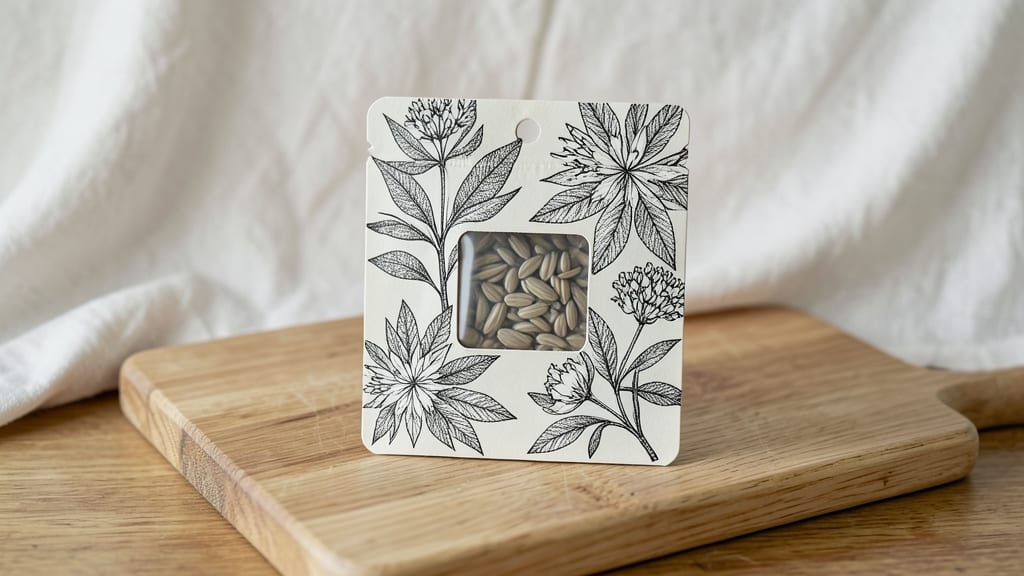
That black-and-white seed mix on your shelf isn’t just seeds—it’s a bold statement for your garden. ✨ I’ve designed entire pollinator-friendly borders using this striking contrast, and the results are nothing short of dramatic.
The deep blacks of Ophiopogon paired with the frosty whites of Lamium create a visual impact that draws bees, butterflies, and even hummingbirds while making your garden the talk of the neighborhood.
The beauty of this palette is how effortless it looks yet how intentional it feels. You don’t need a formal garden—just a few well-placed clumps of Nigrescens grass alongside silver-leaved Artemisia or white Achillea blooms. The contrast works in containers too, turning patio pots into mini masterpieces.
And here’s the best part: pollinators adore these plants, so your garden becomes both a feast for the eyes and a haven for wildlife.
By mid-summer, you’ll have a garden that feels like a high-fashion photoshoot—all while being completely functional. The black foliage grounds the whites, making them pop, and the texture play between velvety leaves and crisp petals adds depth.
It’s the kind of garden that makes you pause and appreciate the artistry in nature.
Start small with a single container or a corner bed, and let the contrast grow on you. The key is layering heights and textures, so no two plants look the same.
Before you know it, your black-and-white seed mix will transform into a living work of art that blooms with purpose.
📚 In This Guide
- What you need
- Instructions
- Tips and common mistakes
- Wrapping up and next steps
What you need
- ● Black-and-white seed mix: 1 lb (or 2–3 lbs for larger areas). Look for blends featuring Nigella damascena (love-in-a-mist), Lobularia maritima (sweet alyssum), Papaver somniferum (black poppy), and Lavandula (lavender) for contrast.
- ● Well-draining potting soil: 5–10 gallons (or enough to fill your planting area). Opt for a mix labeled for annuals/perennials.
- ○ Organic compost: 1–2 cups (optional but recommended for nutrient boost).
- ● Garden gloves (1 pair) – Protect your hands from thorns or soil.
- ● Hand trowel or transplanter – For precision planting.
- ● Watering can or hose with a gentle nozzle – Avoid disturbing seeds.
- ○ Rake or hoe (optional) – For smoothing soil before planting.
- ○ Mulch (straw or shredded leaves) (optional) – Helps retain moisture.
- ● A sunny spot (6+ hours of direct sunlight daily).
- ● Access to water (consistent moisture is key for germination!).
- ● Patience! Seeds may take 7–21 days to sprout.
How to create a striking black-and-white pollinator garden
Here’s how to craft a bold, high-contrast garden that thrives with pollinators while making a visual statement.
🌱 Step 1: Select High-Contrast Black-and-White Seed Varieties
Choose seeds with deep blacks and crisp whites for maximum visual impact. Black varieties like ‘Midnight’ larkspur or ‘Black Prince’ pansies pair beautifully with white ‘Alba’ snapdragons or ‘White Queen’ alyssum. I always opt for native pollinator favorites—these plants attract bees and butterflies while ensuring long-term garden health.
Check seed packets for full sun requirements—most black-and-white annuals need 6-8 hours daily. If your space is shadier, focus on ‘Black Beauty’ impatiens or ‘White Queen’ astilbe instead. Mix in a few silver foliage plants like ‘Silver Queen’ dusty miller to enhance contrast further.
💧 Step 2: Prepare the Soil for Bold, Healthy Growth
Loosen the soil to a depth of 12 inches with a garden fork, breaking up any compacted layers. Amend with 2-3 inches of compost to ensure nutrients feed the dramatic foliage and flowers. I like to work in a handful of slow-release fertilizer (10-10-10) per square foot—this prevents nutrient deficiencies that can dull black hues or cause white blooms to yellow.
For containers, use well-draining potting mix and add perlite or vermiculite to improve aeration. Black-and-white plants often have shallow root systems, so keep soil loose. Water deeply after amending to settle everything—you’ll see the soil hold moisture better, which is key for vibrant blooms.
☀️ Step 3: Plant for Maximum Visual Impact and Pollinator Appeal
Arrange seeds in odd-numbered groupings (3, 5, or 7 plants) for natural flow. Plant black varieties in clusters along borders or as focal points, then surround them with white blooms to create a striking halo effect. Space plants 6-12 inches apart, depending on mature size—crowding weakens stems and dulls color intensity.
Plant tall varieties (like ‘Black Knight’ hollyhock) at the back, medium-height plants (such as ‘White Swan’ cosmos) in the middle, and low-growing ‘Black Prince’ pansies in the front. This layered approach ensures every season’s blooms stand out against the backdrop. Water immediately after planting to encourage root establishment.
✂️ Step 4: Maintain for Long-Lasting Contrast and Pollinator Traffic
Deadhead spent blooms weekly to encourage continuous flowering. For black varieties, I snip just above the first set of leaves—this redirects energy to new growth. White flowers often produce more blooms if you remove faded ones promptly. Mulch with 2 inches of shredded bark to retain moisture and keep roots cool, which preserves the deep blacks and bright whites.
Watch for aphids or powdery mildew—both can dull the dramatic colors. Spray with neem oil at the first sign of trouble. Fertilize lightly every 4-6 weeks with a balanced liquid feed (5-5-5) to maintain vibrant hues. Pollinators will love the contrast as much as you do!
🪴 Step 5: Extend the Season with Strategic Planting
For a year-round black-and-white display, stagger plantings every 2-3 weeks from early spring to midsummer. Succession planting ensures fresh blooms replace faded ones, keeping the garden lively. In fall, add ‘Black Pearl’ ornamental kale or ‘White Frost’ cabbage for winter interest—their bold colors contrast beautifully with snow.
Use reflective mulch (like silver landscape fabric) under containers to enhance the white blooms’ brightness. In containers, rotate pots quarter-turn weekly so all sides get even light—this prevents lopsided growth and keeps the contrast sharp. With these steps, your garden will be a pollinator magnet and a showstopper.
Tips & tricks for stunning black-and-white pollinator gardens
Creating a dramatic black-and-white garden isn't just about planting—it's about strategic choices that amplify contrast and attract pollinators. Here's what I've learned after perfecting this look in my own garden.
Color Intensity Secret: The key to vibrant blacks and whites lies in proper light exposure. Most black-and-white annuals thrive with 6-8 hours of full sun daily—this is non-negotiable for maintaining those deep, rich hues. I've found that 'Midnight' larkspur actually develops more intense color when planted in the sunniest part of the garden. For white varieties like 'Alba' snapdragons, morning sun helps prevent yellowing that can occur from afternoon heat.
Soil Preparation Strategy: When amending soil with 2-3 inches of compost and a handful of 10-10-10 fertilizer per square foot, I always mix in a small amount of sand (about 1 part sand to 3 parts soil) for container plantings. This improves drainage for those shallow root systems while maintaining moisture retention. The sand helps prevent the soil from becoming too compacted, which can lead to poor color development in both black and white varieties.
Plant Arrangement Technique: The odd-numbered groupings (3, 5, or 7 plants) work because they create natural focal points that draw the eye. I've discovered that planting black varieties in clusters of 5 creates the most dramatic visual impact when surrounded by white blooms. For example, place 5 'Black Prince' pansies in the center of a bed, then create concentric circles with white alyssum around them. This arrangement mimics natural patterns that pollinators find appealing.
Maintenance Timing: The weekly deadheading schedule is crucial for maintaining that crisp contrast. I've found that using sharp scissors (not fingers) to snip just above the first set of leaves on black varieties prevents damage to the stems while encouraging bushier growth. For white flowers, I remove spent blooms every 3-4 days rather than weekly—this keeps them producing new blooms more consistently. The 2 inches of shredded bark mulch I use helps maintain that cool root zone temperature that preserves both color intensity and pollinator activity.
Pro Tips for Seed Black And White
- Creating a dramatic black-and-white garden isn't just about planting—it's about strategic choices that amplify contrast and attract pollinators.
- Color Intensity Secret: The key to vibrant blacks and whites lies in proper light exposure.
- This improves drainage for those shallow root systems while maintaining moisture retention.
Frequently asked questions
Got questions about creating a black-and-white seed mix for your pollinator paradise? You’re not alone! Here are some answers to the most common queries—from timing to troubleshooting—so you can dive in with confidence.
What’s the best time of year to plant black-and-white seed mixes?
For most regions, spring (after the last frost) or early fall are ideal. Spring lets seeds germinate in warm soil, while fall gives them a head start before winter. Check your seed packet for specific timing—some varieties, like Nigella (love-in-a-mist), thrive in cooler weather.
How long does it take for black-and-white flowers to bloom?
Germination usually takes 7–21 days, depending on the species and weather. Once sprouted, expect blooms in 6–12 weeks for annuals (like Lobelia) or 2–3 years for perennials (like Hellebore). Patience pays off—those striking contrasts are worth the wait!
Can I mix black-and-white seeds with other colors?
While the monochromatic contrast is stunning, adding purples, blues, or soft pinks (like Salvia or Echinacea) can enhance pollinator appeal. Just ensure all seeds have similar sunlight and water needs to avoid competition.
Why aren’t my black-and-white seeds germinating?
Check these fixes:
- Depth: Most seeds need ¼-inch coverage—too deep = no sprouts.
- Moisture: Keep soil consistently damp (not soggy) until germination.
- Light: Some seeds (like Nigella) need sunlight to germinate—don’t bury them.
- Temperature: Cool-season seeds may stall in heat; move pots to shade.
Will black-and-white flowers attract pollinators like colorful ones?
Yes! While bright colors often grab attention, contrast and texture (like Lamium’s silver foliage or Hellebore’s dark blooms) are irresistible to bees, butterflies, and hummingbirds. Pair with nectar-rich plants (e.g., Echinacea) for a pollinator buffet.
Wrapping up and next steps
Creating a black and white seed mix isn’t just about aesthetics—it’s a bold statement for pollinators and a stunning addition to your garden. This high-contrast combo attracts bees, butterflies, and birds while adding drama to your outdoor space.
Whether you’re a seasoned gardener or just starting, this mix proves that beauty and function go hand in hand.
Ready to transform your lawn or garden? Grab your seeds, roll up your sleeves, and plant your pollinator paradise today! Start small with a test patch or go all in—either way, you’ll love the results. 🌱✨