Lawn
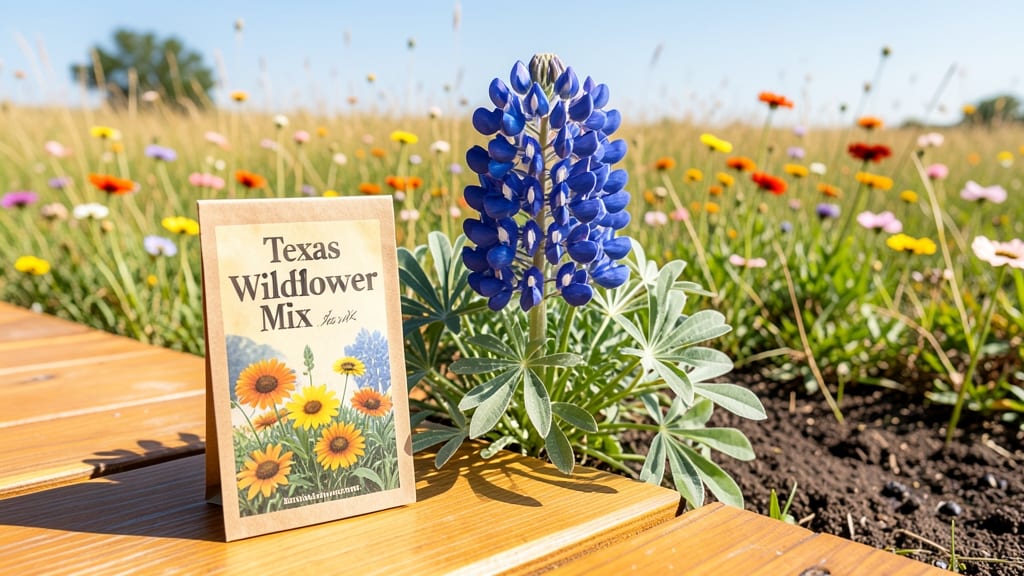
A single packet of Texas wildflower seed mix can transform your yard into a buzzing pollinator paradise by next spring. 🌻 I’ve planted these same seeds in my Austin backyard three times—each time, hummingbirds and bees arrive earlier than ever, and the blooms outshine anything I’ve ever grown from store-bought annuals.
The secret lies in timing and prep: scatter seeds in late fall when soil stays cool, lightly rake them into loose, well-drained soil, and water just enough to keep them from drying out.
Native species like bluebonnets and black-eyed Susans thrive with full sun and minimal fuss—no fertilizers, no fussing. Once established, they’ll self-seed for years, creating a low-maintenance tapestry of color.
By late March, you’ll see waves of purple, yellow, and pink that attract more pollinators than a conventional lawn ever could. The air hums with life, and your neighbors will ask how you did it. Truth? It’s just letting Texas do the heavy lifting for you.
Works in any part of the state—from the Hill Country to East Texas—just adjust watering for your local rainfall. Here’s how to set it up right the first time.
📚 In This Guide
- What you need
- Instructions
- Tips and common mistakes
- Wrapping up and next steps
What you need
- ● Texas Wildflower Seed Mix: Choose a high-quality, native blend (e.g., Bluebonnet, Indian Paintbrush, Black-Eyed Susan). Aim for 1–2 lbs per 100 sq ft for optimal coverage.
- ● Preparation Tools: Garden rake or hoe (for clearing debris)
- ○ Broadcast spreader (optional but helpful for even distribution)
- ● Soil Prep Supplies: Garden hose or watering can (for light pre-moistening)
- ● Lightweight mulch or straw (¼ inch thick, to retain moisture)
- ● Soil test kit (to check pH—ideal range: 6.0–7.5 for most Texas wildflowers)
- ● Seedling tray (if starting indoors for early blooms)
- ● Bird netting (to protect seeds from hungry critters)
- ● Label markers (to track planting dates and varieties)
- ● Sunlight: Full sun (6+ hours daily)—wildflowers thrive in Texas heat!
- ● Soil: Well-draining, loose soil (amend with compost if needed)
- ● Timing: Plant in early fall (Sept–Oct) or late winter (Feb) for best results.
Step-by-Step guide to planting Texas wildflower seed mix
Here's how to turn that wildflower packet into a buzzing pollinator paradise.
🌱 Step 1: Prepare Your Planting Site
Choose an area with 6+ hours of sun daily—wildflowers thrive where native plants grow naturally. Clear any existing vegetation and loosen the top 2-3 inches of soil with a rake or hoe. This breaks up compacted soil and lets roots establish easily.
Wildflowers love well-draining soil, so avoid low spots where water pools. If your soil feels heavy or clay-like, mix in 2-3 inches of compost to improve drainage and fertility. The goal is loose, crumbly soil that lets moisture penetrate without staying soggy.
🌿 Step 2: Scatter Seeds Evenly
Open your wildflower packet and pour seeds directly onto the prepared soil. Don't worry about spacing—wildflowers grow best in natural clusters. For a 100-square-foot area, use the entire packet (about 1/4 pound of seed).
Lightly rake the seeds into the soil with a leaf rake or your fingers, pressing them just enough to make contact with the earth. This ensures good seed-to-soil contact without burying them too deep. You'll see seeds scattered unevenly—that's perfect; wildflowers thrive in natural patterns.
💧 Step 3: Water Gently and Keep Moist
Water the area immediately after planting with a gentle spray from a hose or watering can. Keep the soil consistently moist (but not soggy) for the first 2-3 weeks
After germination begins (usually 7-14 days), reduce watering to 1-2 times weekly. You'll know you're doing it right when the soil feels damp 1 inch below the surface. Overwatering now can cause seeds to rot before they sprout. Once seedlings appear, avoid walking on the area—wildflowers have delicate roots. Let them grow to 3-4 inches tall before mowing or trimming nearby grass. This gives roots time to establish before competition begins. Wildflowers need minimal care after establishment. In late fall, cut back dead growth to 2-3 inches above the ground. This prevents disease and allows sunlight to reach new growth in spring. You'll see more blooms next year if you skip the winter cleanup—wildflowers store energy in their roots. By late spring, your wildflowers will attract bees, butterflies, and hummingbirds. Leave some seed heads standing in fall to provide winter food for birds. The more you plant, the more pollinators will visit—creating a self-sustaining ecosystem. For best results, plant in clusters rather than single rows. This mimics natural conditions and makes your garden more attractive to pollinators. Within 2-3 years, your wildflower meadow will spread naturally, requiring almost no maintenance.☀️ Step 4: Maintain Through First Season
⏰ Step 5: Enjoy and Encourage Pollinators
Tips & tricks for perfect Texas wildflower plantings
Took me a while to figure these out, so here's how to get the most out of your Texas wildflower packet.
Soil Preparation Secret: The 2-3 inches of compost in Step 1 isn't just about drainage—it's about feeding those tiny seeds. I've found that adding a handful of worm castings along with the compost gives an extra nutrient boost that helps seedlings establish faster. This is especially helpful if your soil is sandy or poor. Think of it as giving your wildflowers a head start, just like you would with a new plant.
Seed Scattering Technique: In Step 2, when you're scattering those seeds, don't be afraid to get creative with your distribution. I like to use a pie tin or small cookie sheet to help me spread seeds evenly across larger areas. This ensures you're using the entire packet without overcrowding. Remember, wildflowers grow best in natural clusters, so aim for a scattered look rather than perfect rows. The uneven pattern actually helps attract more pollinators!
Watering Wisdom: Those first 2-3 weeks of consistent moisture in Step 3 are critical. I've learned the hard way that using a soaker hose or drip irrigation system prevents seed displacement better than overhead watering. If you don't have either, try watering early in the morning so the soil has time to dry slightly during the day, which helps prevent fungal issues. And here's a pro move: after germination begins, I switch to watering in the evening to help roots grow deeper overnight.
Maintenance Mindset: The 3-4 inch height guideline in Step 4 is your cue to let nature take over. I've seen too many well-meaning gardeners trim too early and accidentally cut off emerging flowers. Wait until you see those first blooms before considering any trimming. And when it comes to fall cleanup, I've found that leaving some seed heads standing provides winter food for birds while also allowing some seeds to reseed naturally for next year's display.
Pro Tips for Texas Wildflower Seed Mix
- Took me a while to figure these out, so here's how to get the most out of your Texas wildflower packet.
- Soil Preparation Secret: The 2-3 inches of compost in Step 1 isn't just about drainage—it's about feeding those tiny seeds.
- Seed Scattering Technique: In Step 2, when you're scattering those seeds, don't be afraid to get creative with your distribution.
Frequently asked questions
Got questions about transforming your Texas yard into a vibrant wildflower haven? Here are answers to the most common ones—so you can plant with confidence!
When is the best time to plant Texas wildflower seed mix?
The ideal window is late fall (October–November) or early spring (February–March). Seeds need consistent moisture to germinate, so avoid summer planting—heat and drought can dry them out before sprouting. For fall planting, a light watering every 2–3 days keeps seeds happy until rains return!
How often should I water after planting?
Keep seeds moist but not soggy for the first 4–6 weeks. Water lightly daily (or every other day if rainfall is steady). Once seedlings emerge, taper to 2–3 times per week for the first month. After establishment, wildflowers thrive on natural rainfall—overwatering can weaken roots. Pro tip: Use a gentle mist or soaker hose to avoid disturbing seeds!
Will Texas wildflower seed mix attract pests like snakes or rodents?
Not at all! Wildflowers repel pests by attracting beneficial predators like ladybugs and lacewings. Snakes and rodents avoid dense wildflower patches because they disrupt hiding spots. Bonus: The mix includes native grasses, which deter weeds—naturally! Just avoid planting near structures if you’re concerned about occasional critters seeking shelter.
Can I mix Texas wildflower seeds with grass seed?
For a low-maintenance, pollinator-friendly lawn, try a 50/50 ratio of wildflower seeds to native grass seed (like buffalo grass or blue grama). Plant in small patches first to test your yard’s conditions. Warning: Avoid competitive grasses like Bermuda—wildflowers need sun and space to thrive. Pro tip: Mow wildflower areas once a year (late summer) to encourage reseeding!
My wildflowers didn’t sprout—what went wrong?
Don’t worry! Common issues include:
- Drought: Seeds need consistent moisture for 6+ weeks. Try planting in shadier spots or mulching lightly to retain humidity.
- Birds: They love snacking on seeds! Cover with wire mesh until germination (remove after sprouting).
- Weeds: Pre-emergent herbicides can block wildflowers. Skip them and hand-pull weeds as they appear.
- Wrong timing: Plant in fall or spring—summer heat often fails seeds.
If all else fails, replant in the next optimal window—patience pays off!
Wrapping up and next steps
Transforming your Texas landscape into a vibrant, pollinator-friendly haven is easier than you think! With a Texas wildflower seed mix, you’re not just planting seeds—you’re nurturing ecosystems, supporting local wildlife, and embracing the beauty of native flora.
Start small, stay consistent, and watch your garden bloom into a thriving sanctuary.
🌸 Ready to take the next step? Research the best seed varieties for your region, prep your soil, and plant with confidence. Your future pollinators—and your future self—will thank you!