
Lawn
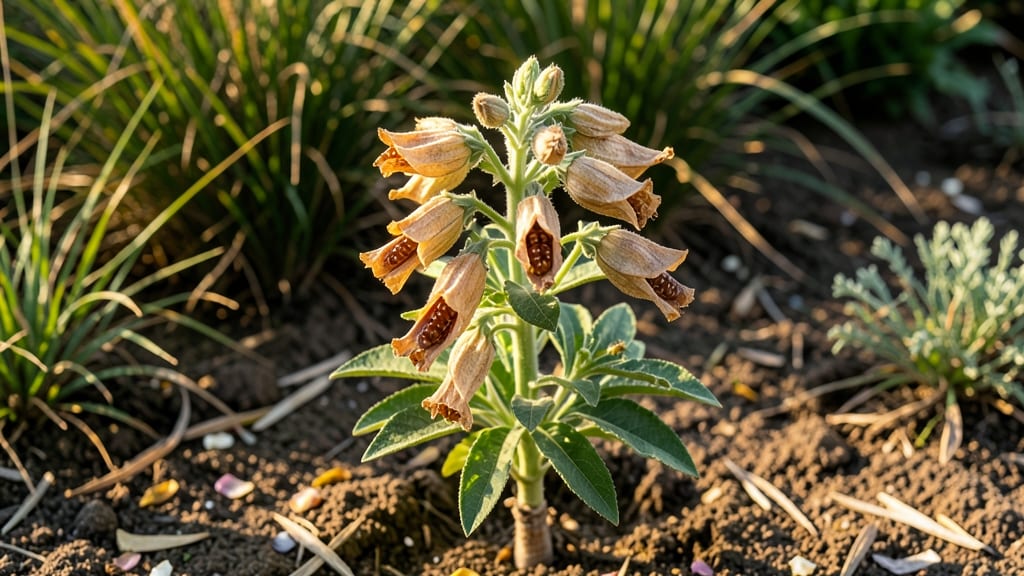
Harvesting snapdragon seed pods doesn't have to mean wrestling with stubborn stems. 🌸 The secret lies in knowing exactly when to collect them—before the pods burst open on their own—and letting nature do most of the work.
I used to struggle with twisting stems and lost seeds everywhere, but now I simply snip at the right time and let the pods dry naturally.
You’ll need just a few simple tools: sharp scissors, a paper bag for collecting, and a dry, shaded spot for drying. The pods turn from green to brown when ready—no guessing involved.
Once dried, the seeds pop out effortlessly, and you’ll have enough for next season’s garden without any extra hassle.
Storing them in a labeled envelope keeps them viable for up to two years, so you can plan ahead. The best part? These saved seeds grow into plants just as vibrant as store-bought ones, often even more resilient.
You’ll end up with a collection of heirloom varieties that you can’t find anywhere else.
Perfect for gardeners who want to save money and preserve their favorite snapdragon colors. Here’s how to do it without the usual frustration—no more struggling with stubborn stems or wasted seeds.
📚 In This Guide
- What you need
- Instructions
- Tips and common mistakes
- Wrapping up and next steps
What you need
- ● Mature snapdragon plants – Choose healthy, fully bloomed plants with well-developed seed pods (typically after flowers fade). Aim for at least 5-10 plants for a decent yield.
- ● Sharp pruning shears or scissors – Opt for bypass-style (not anvil) to avoid crushing pods. A 4-6 inch blade works best.
- ● Brown paper bags or breathable mesh sacks – 2-3 medium-sized bags (12x15 inches) to collect pods without trapping moisture.
- ● Newspaper or cardboard – A flat surface (24x36 inches) for drying pods indoors.
- ● Fine-mesh sieve or colander – 8-10 inch diameter for separating seeds from chaff.
- ● Gloves – Lightweight gardening gloves to protect hands from prickly stems.
- ● Small paintbrush or soft brush – For gently dislodging seeds from stubborn pods.
- ● Labeling tags or masking tape – To mark bags with variety names or harvest dates.
- ● Desiccant packets (silica gel) – Place 1-2 packets in drying bags to speed up the process in humid climates.
- ● Magnifying glass – Useful for inspecting seed viability if you’re saving seeds long-term.
- ● Wait until seed pods turn brown and papery (usually 4-6 weeks after flowering).
- ● Choose a dry, overcast day to harvest—humidity can cause pods to mold.
- ● Ensure pods are fully dry before storing seeds to prevent rot.
How to harvest snapdragon seed pods without the twist-and-pull frustration
Here's the gentle method I use to collect snapdragon seeds—no stubborn pods, no broken stems, just smooth harvesting.
🌿 Step 1: Identify and Wait for Mature Seed Pods
Snapdragon seed pods turn from green to a papery brown when fully mature—this is your cue to harvest. Look for pods that feel dry to the touch and split open slightly at the top. I check mine in late summer or early fall, depending on your climate zone.
Don’t rush it—immature pods won’t release seeds easily, and you’ll end up with a frustrating mess. If you see moisture inside when you open a pod, wait a few more days. The seeds inside should rattle when you shake the pod gently.
💧 Step 2: Prepare for Harvesting on a Dry Day
Choose a dry, sunny day for harvesting—this prevents seeds from sticking to the pods or getting damp, which can cause mold. Lay a large sheet of newspaper or a clean white towel on the ground beneath your plants. This makes cleanup effortless and helps you spot any missed seeds.
Grab a small bowl or envelope for each plant to collect seeds individually. This keeps varieties separate if you’re growing multiple types. I like to work in the morning when the pods are still crisp and dry from the night’s dew evaporation.
✂️ Step 3: Gently Twist and Collect Seeds
Hold the mature pod firmly between your thumb and forefinger, just below the top where it starts to split. With a quick, confident twist, the pod should separate cleanly from the stem—no need to yank or force it. If it resists, the pod isn’t fully dry yet.
Once detached, hold the pod over your bowl or envelope and give it a gentle shake. The seeds will spill out easily if the pod is ripe. I tap the bottom of the pod against the bowl twice to ensure nothing gets stuck inside.
🪴 Step 4: Store Seeds Properly for Next Season
Transfer the seeds to a labeled paper envelope or small glass jar. Write the variety name and harvest date on the envelope—this helps you track germination rates later. Store them in a cool, dry place like a pantry or seed vault.
Snapdragon seeds stay viable for up to 3 years if kept dry, but I like to plant them the following spring for the freshest results. Avoid plastic bags—they trap moisture and can cause mold. A simple envelope works perfectly.
⏰ Step 5: Clean Up and Repeat
After harvesting, give your plants a light trimming to remove any remaining empty pods or dead foliage. This keeps the garden tidy and encourages new growth if you’re growing snapdragons as perennials in your zone.
Repeat the process every few days as new pods mature. With a little patience, you’ll have a stash of seeds ready for next year’s garden—no struggles, just smooth harvesting every time.
Tips & tricks for perfect snapdragon seed pod harvesting
Here's what I've learned after years of seed collecting—these little tricks make all the difference when harvesting snapdragon pods.
Timing is Everything: The late summer to early fall window is critical for harvesting snapdragon seed pods. I've learned this the hard way—harvesting too early means immature pods that won't release seeds easily, while waiting too long risks losing pods to weather. Check your pods daily during this window for that papery brown color and slight opening at the top. The seeds inside should rattle when you shake the pod gently—this is your perfect signal.
Weather Matters: Always harvest on dry, sunny days to prevent seeds from sticking to pods or getting damp. I've seen seeds mold in damp conditions after just a few hours—it's a heartbreaking waste of all that hard work. Laying down newspaper or a towel makes cleanup effortless and helps you spot any missed seeds that might fall during harvesting. Morning is ideal because the pods are still crisp and dry from overnight dew evaporation.
Gentle Technique Wins: The key to avoiding broken stems is using a confident but gentle twist just below where the pod starts to split. I've tried the yank-and-pull method before, and it always ends with snapped stems and lost seeds. Instead, hold firmly and twist with a quick, smooth motion. If it resists, the pod isn't fully dry yet—wait another day or two. Once detached, give the pod a gentle shake over your bowl and tap it twice to ensure all seeds come out.
Storage Secrets: Snapdragon seeds stay viable for up to 3 years if stored properly, but I've found they germinate best when planted the following spring. Paper envelopes or glass jars work perfectly—just avoid plastic bags that trap moisture and can cause mold. Label each with the variety name and harvest date to track germination rates later. I keep mine in a cool, dry pantry where they stay perfectly preserved until planting season.
Pro Tips for Snapdragon Seed Pods
- Here's what I've learned after years of seed collecting—these little tricks make all the difference when harvesting s...
- Timing is Everything: The late summer to early fall window is critical for harvesting snapdragon seed pods. I've lear...
- Weather Matters: Always harvest on dry, sunny days to prevent seeds from sticking to pods or getting damp. I've seen ...
Frequently asked questions
Got questions about harvesting snapdragon seed pods? You’re not alone—these delicate pods can be tricky! Here are some of the most common concerns and straightforward answers to help you avoid frustration and maximize your yield.
When is the best time to harvest snapdragon seed pods?
Harvest seed pods when they turn light brown and begin splitting open naturally—usually late summer to early fall. If you wait too long, seeds may scatter or sprout prematurely. For best results, pick them in the morning after dew dries to prevent moisture-related issues.
What if my seed pods won’t open on their own?
If pods stay closed, they’re not fully ripe yet. Try placing them in a paper bag with a few dry rice grains for 1–2 weeks—they’ll absorb moisture and trigger natural drying. Avoid forcing them open; snapdragons need time to release seeds gently. Pro tip: Hang pods upside down in a dry, shaded spot for easier access.
Can I save seeds from store-bought snapdragons?
Yes, but results may vary. Store-bought flowers are often hybrids, so seeds might not grow true to type (e.g., color or size). For reliable heirloom varieties, source seeds from reputable nurseries or fellow gardeners. If you’re experimenting, label pods clearly and expect surprises!
Why are my seed pods getting eaten or damaged?
Pests like slugs, aphids, or birds love snapdragon pods. Protect them with row covers or neem oil spray. If pods are already damaged, salvage seeds by carefully removing them from intact sections. Quick fix: Hang a bird feeder nearby to distract feathered thieves!
How do I store snapdragon seeds for next year?
Once dry, remove seeds from pods and store them in a cool, dark place (like a sealed envelope or jar) with a desiccant packet to prevent mold. Label with the variety and date—most seeds stay viable for 2–3 years. Bonus: Keep them in the fridge for extra longevity!
Wrapping up and next steps
Harvesting snapdragon seed pods doesn’t have to be a frustrating battle—with the right tools and techniques, you can collect seeds effortlessly while preserving plant health. Whether you’re saving seeds for next season or simply admiring nature’s intricate designs, these pods offer a rewarding experience with minimal stress.
Now that you’re equipped with the know-how, why not share your success with fellow gardeners or experiment with seed-saving projects? 🌱✨
Ready to try it? Grab your gloves, a paper bag, and head to the garden—your future snapdragons (and their seeds!) will thank you.