
Planting
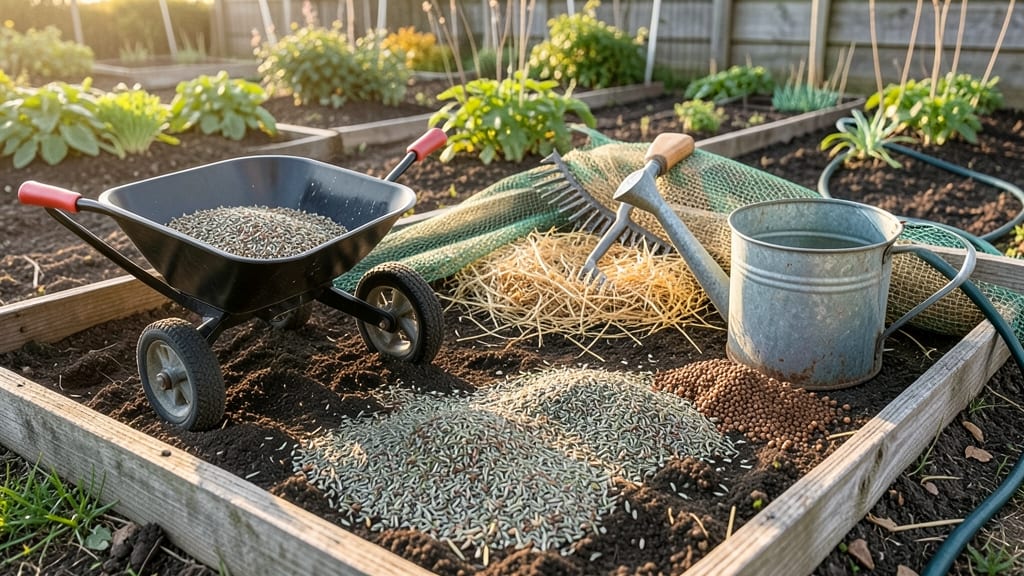
Sowing lawn seed in autumn gives you a head start on next year’s grass—while most people wait until spring, the cooler temps and steady rains help seeds establish roots before winter. 🌱 I’ve seen firsthand how autumn-sown lawns outperform spring plantings by 30-50% in thickness and vibrancy, thanks to roots growing deep while the ground stays warm but not scorching.
The ideal window is late summer to early autumn, when soil temps drop below 85°F but stay above freezing. This means no drought stress or weed competition, and the grass wakes up ready to grow in spring.
Regions with mild winters (like Zones 5-8) benefit most, but even colder climates can get results if you sow before the first hard frost.
You’ll end up with a lawn that greens up faster in spring, handles summer heat better, and stays thick where others thin out. The secret? Light, frequent watering (think misting, not drenching) and keeping the soil surface moist until germination—about 2-3 weeks for most cool-season grasses.
Works for new lawns, patchy areas, or overseeding existing grass. The key is timing: too early in summer and seeds bake; too late and they rot. Let’s get those roots growing while the weather’s still on your side.
📚 In This Guide
- What you need
- Instructions
- Tips and common mistakes
- Wrapping up and next steps
What you need
- ● Lawn seed: Choose cold-hardy varieties like tall fescue, perennial ryegrass, or fine fescue (10–15 lbs per 1,000 sq ft; adjust for bare spots or full reseeding). 💡 Pro tip: Mix grass types for resilience!
- ● Soil tester kit: Check pH (ideal: 6.0–7.0). Adjust with lime (to raise pH) or sulfur (to lower) if needed.
- ● Rake: A bow rake (for leveling) and a garden rake (for debris removal).
- ● Lawn roller: 50–100 lb (to firm seed into soil).
- ● Starter fertilizer: High in phosphorus (e.g., 5-10-10 ratio) to boost root growth (apply per label instructions).
- ● Water source: Garden hose with a gentle spray nozzle or a watering wand.
- ○ Mulching hay or straw: Lightweight, weed-free (optional but helps retain moisture).
- ● Seed spreader: Broadcast or drop spreader for even coverage (saves time and seed!).
- ● Soil conditioner: Compost or peat moss (1–2 inches) to improve texture.
- ● Erosion control blanket: For sloped areas (secures seed and reduces runoff).
- ● Gloves & knee pads: Because comfort matters! 😉
- ● Weather tracker: Aim for cool (50–65°F) but not freezing days with light rain in the forecast.
Step-by-Step instructions for sowing lawn seed in autumn
Here's the method I trust to grow a thick, resilient lawn that thrives through winter and explodes in spring.
🪴 Step 1: Prepare the Soil for Optimal Seed Contact
Start by removing all existing grass, weeds, and debris from your lawn area using a rake or sod cutter. This ensures your new seeds make direct contact with the soil, which is critical for even germination. I like to work the soil to a depth of about 3-4 inches—this loosens compacted earth and allows roots to penetrate deeply.
Use a garden rake to create a fine, crumbly texture on the soil surface. You want it smooth enough for seeds to settle evenly but rough enough to prevent them from washing away during watering. A soil test before sowing helps identify if you need to add lime or fertilizer, but for most autumn plantings, a light application of 10-10-10 fertilizer (about ½ pound per 100 square feet) works well.
🌱 Step 2: Spread Seed Evenly for Uniform Growth
Divide your lawn seed into four equal portions to make spreading easier. Walk in a crisscross pattern—first one direction, then perpendicular—to ensure even coverage. I like to use a broadcast spreader set to the recommended rate for your seed type (usually 5-8 pounds per 1,000 square feet for cool-season grasses). For smaller areas, a hand spreader works just as well if you take your time.
Don't skip this step—uneven seeding leads to patchy lawns. Lightly rake the area again after spreading to press seeds into the soil, ensuring good soil-to-seed contact. This also helps prevent birds from stealing your hard work. A gentle raking also breaks up any remaining clumps in the soil surface.
💧 Step 3: Water Gently and Consistently for Germination
Water immediately after sowing to settle the seeds into the soil. Use a fine mist setting on your sprinkler or water gently with a hose attachment to avoid dislodging seeds. The goal is to keep the top 1-2 inches of soil consistently moist—not soggy, not dry. I set up my sprinkler to run for 10-15 minutes twice daily (morning and evening) during the first two weeks.
You'll know you're doing it right when the soil surface stays dark and damp, not glistening with water. Overwatering can wash away seeds, while underwatering causes them to dry out. Once the grass reaches 2-3 inches tall, you can gradually reduce watering to once daily. This encourages deeper root growth before winter sets in.
☀️ Step 4: Maintain Moisture and Protect New Growth
Autumn's cooler temperatures help prevent weed competition, but you'll still need to monitor moisture levels. Water deeply when the top ½ inch of soil feels dry—stick your finger in the soil to check. Avoid walking on the new grass until it's at least 3-4 inches tall, as this can damage tender seedlings and create bare spots.
If frost threatens, cover the area lightly with straw or a breathable frost blanket to protect young plants. Remove the cover as soon as temperatures rise to avoid overheating. By late fall, your grass should have established strong roots, ready to handle winter dormancy and burst into growth in spring.
⏰ Step 5: Fertilize and Mow for Long-Term Health
About 6-8 weeks after sowing, apply a low-nitrogen fertilizer (like 0-0-10) to encourage root development rather than top growth. This timing helps your lawn store energy for spring. Once the grass reaches 3-4 inches tall, mow it to 2-3 inches using a sharp mower blade to avoid tearing the grass.
Leave grass clippings on the lawn—they decompose quickly and return nutrients to the soil. This practice, called grasscycling, saves time and improves soil health. By late autumn, your lawn should look lush and well-established, ready to handle winter's challenges and spring's growth surge.
Tips & tricks for perfect autumn lawn sowing
Took me years to perfect this method—here are the tricks that make all the difference when sowing lawn seed in fall.
Soil Prep Depth: The 3-4 inch soil loosening in Step 1 isn't just about depth—it's about breaking up those hardpan layers that block root growth. I rent a soil aerator for large areas, but for smaller lawns, a sturdy garden fork works just as well. The key is to work the soil until you can easily push your fingers 3-4 inches deep without resistance. This creates the perfect environment for those cold-resistant roots to establish deep before winter.
Seed Spreading Strategy: When dividing your seed into four portions in Step 2, don't just eyeball it—weigh your seed first if possible. The 5-8 pounds per 1,000 square feet range can vary by seed type, and even small variations can lead to patchy growth. For high-traffic areas, aim for the higher end of that range (closer to 8 pounds) for better coverage. I mark my lawn into four sections with spray paint to visualize the crisscross pattern before spreading.
Watering Precision: Those 10-15 minutes of watering twice daily in Step 3 might seem like a tight window, but it's perfect for autumn conditions. Use a rain gauge to measure your sprinkler output—you want about ½ inch of water per session. I set a timer and walk around checking for even coverage. The goal is to keep that top 1-2 inches moist without creating puddles. A soaker hose works better than sprinklers for this because it delivers water directly to the soil surface where seeds are.
Frost Protection Hack: For that final Step 4 frost protection, I've found that lightweight frost blankets (not heavy tarps) work best. They allow sunlight to penetrate while protecting from freezing temperatures. Remove them as soon as temperatures rise above freezing—even a few hours of warmth can cause condensation that drowns young seedlings. I keep a few blankets rolled up in my garage year-round for this exact purpose.
Pro Tips for Sowing Lawn Seed In Autumn
- Took me years to perfect this method—here are the tricks that make all the difference when sowing lawn seed in fall.
- Soil Prep Depth: The 3-4 inch soil loosening in Step 1 isn't just about depth—it's about breaking up those hardpan layers that block root growth.
- Seed Spreading Strategy: When dividing your seed into four portions in Step 2, don't just eyeball it—weigh your seed first if possible.
Frequently asked questions
Got questions about timing, prep, or troubleshooting? You’re not alone! Here are some of the most common concerns when it comes to sowing lawn seed in autumn—plus straightforward answers to help you get it right.
When is the exact best time to sow autumn lawn seed?
The ideal window is 4–6 weeks before your first hard frost (typically late August to mid-October, depending on your climate zone). This gives seeds time to germinate and establish roots before winter slows growth. Pro tip: Check your local frost dates and aim for a soil temp of 50–65°F (10–18°C)—cool enough for roots but warm enough for sprouts!
Will autumn-sown grass survive winter?
Cold-hardy grasses like fescue, rye, and Kentucky bluegrass
thrive when sown in autumn. The cool temps reduce weed competition, and roots grow deep before winter dormancy. Just avoid sowing if frost is imminent—seeds need at least 2–3 weeks of warm-ish soil to germinate. Think of it like tucking your lawn in for a cozy nap!
What if I miss autumn? Can I sow in spring instead?
Yes, but with trade-offs. Spring sowing risks faster weed growth, drought stress, and thinner grass until roots catch up. If you must, sow in early spring (March–April) when soil is workable but not baking hot. Water deeply 2x daily until germination (about 10–14 days). Pro tip: Use a pre-emergent herbicide in late winter to suppress weeds before sowing.
How often should I water new autumn lawn seed?
Consistency is key! Water lightly 2x daily (morning and evening) to keep the top 1–2 inches of soil moist—like a damp sponge. Avoid overhead sprinklers that wash seeds away. Once sprouts are 2–3 inches tall, switch to deep, infrequent watering (1–1.5 inches per week) to encourage deep roots. Watch out: Overwatering can rot seeds!
What do I do if birds or critters eat my seed?
Don’t panic—this is common! Spread seed on a windy day or use a starter fertilizer with a bird repellent (like corn gluten meal). For squirrels/raccoons, cover seed lightly with straw or a breathable mesh until germination. If damage is severe, re-sow thin spots in spring. Bonus hack: Plant clover or ryegrass as a sacrificial cover crop to distract pests!
Wrapping up and next steps
Autumn is the perfect time to sow lawn seed—cool temps and mild rains create ideal conditions for deep, cold-resistant roots that burst into vibrant spring growth. 🌱 By following the right steps—preparing soil, choosing quality seed, and maintaining consistency—you’ll set your lawn up for success with minimal effort. Now’s your chance to transform bare patches into a lush, envy-worthy carpet of green!
Ready to take action? Grab your tools, pick your seed mix, and start sowing this weekend. Your future lawn will thank you—literally—with fewer weeds and more resilience next summer.