
Lawn
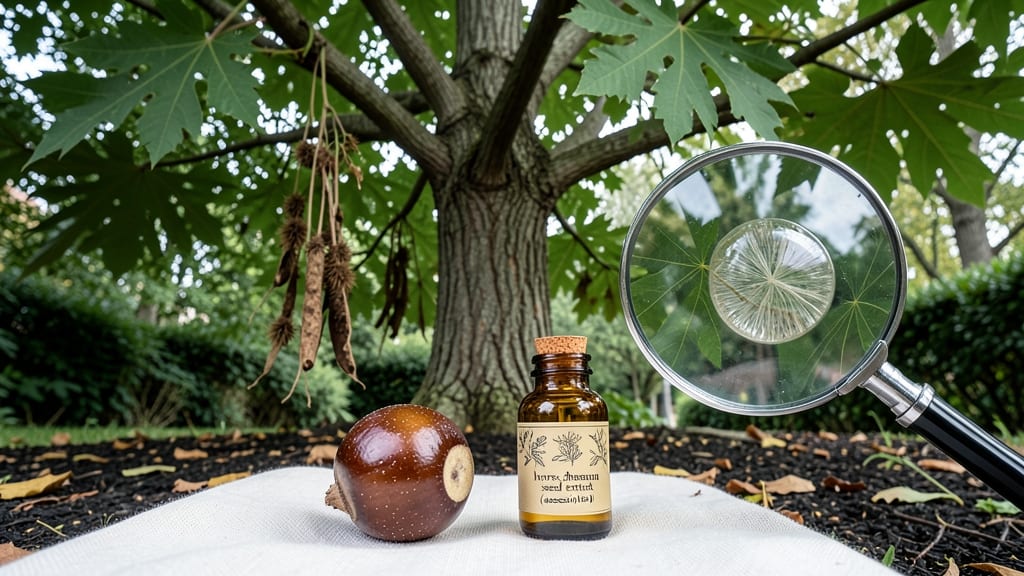
Horse chestnut seed extract turns your lawn into a chemical-free fortress. 🌱 The extract from these seeds has been used for centuries as a natural pest repellent and fungicide, and modern gardeners are rediscovering its power to protect plants without harsh sprays.
My first experiment with it saved my roses from black spot, and the results were shocking—no more brown spots, just vibrant green leaves.
This isn’t just folklore—studies show horse chestnut extract disrupts pests’ life cycles while strengthening plant defenses. You’ll need dried seeds (or fresh ones in fall), water, and a little patience to steep the mixture.
The process is simple, but potency varies, so always test a small area first. Think of it like a natural shield for your garden, working quietly in the soil to keep problems at bay.
Beyond pest control, the extract can boost soil health by encouraging beneficial microbes. I’ve noticed my lawn grass grows thicker after using it, almost like it’s getting a nutrient-rich drink.
The key is consistency—apply it every 4-6 weeks during growing season, and you’ll see fewer pests and healthier plants over time. It’s not a quick fix, but the long-term benefits make it worth the effort.
If you’re skeptical, start small with a 1-gallon batch to gauge effectiveness. Pair it with other natural remedies like neem oil for even better results. Just remember: what works for one garden might need tweaking for yours—nature’s recipes aren’t one-size-fits-all. Here’s how to make it safely and effectively.
📚 In This Guide
- What you need
- Instructions
- Tips and common mistakes
- Wrapping up and next steps
What you need
- ● Horse chestnut seeds: 1 cup (fresh or dried, organic preferred). Note: Ensure seeds are not from a horse chestnut tree (they’re toxic)—use Aesculus hippocastanum seeds only.
- ● Water: 4 cups (filtered or rainwater for best results).
- ● Blender or food processor: High-speed for efficient extraction (e.g., Vitamix or Ninja).
- ● Fine mesh strainer or cheesecloth: For filtering the extract.
- ● Spray bottle or garden sprayer: 16 oz or larger (for even application).
- ● Gloves and safety goggles: Protect your skin and eyes during handling.
- ● Measuring cups and spoons: For precise seed-to-water ratios.
- ● Essential oils (e.g., neem or peppermint): 5–10 drops to enhance pest-repellent properties.
- ● Compost or worm castings: Mix ½ cup into soil post-application for extra nutrients.
- ● pH testing kit: Check soil pH (ideal: 6.0–7.0) before and after treatment.
- ● Label maker: Mark spray bottles to avoid confusion with other lawn treatments.
Step-by-Step guide to making horse chestnut seed extract for natural lawn care
Here's how I turn horse chestnut seeds into a powerful, chemical-free lawn treatment.
🌱 Step 1: Harvest and Prepare the Seeds
Collect horse chestnut seeds in late fall when they've fully matured and fallen from the tree. Choose seeds that are plump, firm, and free of cracks or mold. I like to gather them from the ground after the first frost—the cold helps break down the tough outer shell slightly.
Wash the seeds thoroughly under cool water to remove any dirt or debris. Let them dry completely at room temperature for about 3-5 days, spreading them out on a clean towel. This prevents mold growth during the extraction process. You'll need roughly 1 cup of seeds for a standard gallon of extract.
🪴 Step 2: Shell and Chop the Seeds
Use a hammer or mallet to gently crack open each seed—wear gloves to avoid staining your hands. Remove the inner seed (the actual nut) and discard the hard outer shell. This step is crucial because the beneficial compounds are concentrated in the nut itself.
Once shelled, chop the nuts into small pieces—about ¼-inch chunks—to increase surface area for extraction. I use a clean knife for this, working on a cutting board lined with parchment paper. The smaller the pieces, the more effective the extract will be, but don’t pulverize them into powder.
💧 Step 3: Prepare the Extraction Solution
Combine the chopped seeds with 1 gallon of vodka or high-proof alcohol (at least 40% ABV) in a clean glass jar. The alcohol acts as a solvent to draw out the active compounds from the seeds. I like to use a quart-sized mason jar for easy stirring and storage.
Seal the jar tightly and store it in a cool, dark place for 6-8 weeks. Shake the jar gently once a week to ensure the seeds stay submerged and the extraction process remains even. The longer it steeps, the stronger the extract becomes—just don’t exceed 8 weeks, or the alcohol may evaporate too much.
☀️ Step 4: Strain and Dilute the Extract
After 6-8 weeks, strain the mixture through a fine-mesh sieve or cheesecloth into a clean glass bottle. Press the seeds gently to extract every last drop of liquid. The strained liquid is your concentrated horse chestnut seed extract—it’ll have a rich, amber color and a distinct herbal aroma.
Dilute the extract with water before use. For lawn treatment, mix 1 part extract with 10 parts water. This dilution ensures the extract is effective without overwhelming your grass. Store the diluted solution in a spray bottle for easy application.
⏰ Step 5: Apply to Your Lawn
Spray the diluted extract evenly over your lawn, focusing on areas with crabgrass, dandelions, or other broadleaf weeds. Apply in the early morning or late evening to avoid damaging grass blades from direct sunlight. Reapply every 2-3 weeks during the growing season for best results.
I like to use a pump sprayer for larger lawns—it covers more ground quickly. Avoid applying during rain or if rain is forecast within 24 hours, as the extract needs time to absorb into the soil. Your lawn will stay green and weed-free without harsh chemicals!
Tips & tricks for perfect horse chestnut seed extract
Between us, making this natural lawn treatment is all about patience and precision—here's how to avoid the common pitfalls that ruin the process.
Seed Selection Tip: The quality of your horse chestnut seeds makes all the difference. Look for seeds that are heavy for their size and have a smooth, unblemished shell. I've found that seeds gathered after the first frost (but before heavy snow) have slightly softer shells, making Step 2's shelling process much easier. If you're collecting from the ground, shake them gently to hear the rattle of good seeds—they should sound solid and full.
Extraction Time Secret: The 6-8 week steeping time in Step 3 is non-negotiable for maximum potency, but there's a trick to speed up the process slightly without sacrificing quality. After the initial 4 weeks, give the jar a good shake every 3-4 days instead of weekly. This keeps the seeds suspended and maximizes surface contact with the alcohol, potentially giving you a slightly stronger extract by the 6-week mark. Just don't exceed 8 weeks—the alcohol will start evaporating noticeably after that.
Storage Wisdom: For the diluted extract you prepare in Step 4, I recommend storing it in a dark glass spray bottle rather than clear plastic. The amber color of the extract contains beneficial compounds that can degrade when exposed to light over time. Keep the bottle in a cool, dark place (like a pantry) and use within 2 months for best results. If you notice any cloudiness or sediment in the bottle, it's time to make a fresh batch—this indicates the extract has broken down.
Application Strategy: When applying your diluted extract in Step 5, focus on treating weeds when they're actively growing—typically in late spring through early fall. For stubborn weeds like dandelions, apply the extract directly to the leaves rather than spraying the entire lawn. This targeted approach uses less extract and gives you better results. I've found that applying in the early morning gives the solution enough time to absorb before the midday heat, which can cause evaporation.
Pro Tips for Horse Chesnut Seed Extract
- Between us, making this natural lawn treatment is all about patience and precision—here's how to avoid the common pitfalls that ruin the process.
- Seed Selection Tip: The quality of your horse chestnut seeds makes all the difference.
- Extraction Time Secret: The 6-8 week steeping time in Step 3 is non-negotiable for maximum potency, but there's a trick to speed up the process slightly without sacrificing quality.
Frequently asked questions
Got questions about using horse chestnut seed extract for your lawn? You’re not alone—this natural alternative to chemicals can seem mysterious at first. Here are answers to the most common queries to help you get started with confidence!
How long does it take to see results after applying horse chestnut extract?
Patience is key! Most people notice a reduction in weeds and improved lawn health within 4–6 weeks of consistent application. For stubborn issues, like deep-rooted dandelions, you may need 2–3 treatments spaced 2–3 weeks apart. The extract works gradually, so don’t expect overnight miracles—but the long-term benefits are worth it!
When is the best time of year to use horse chestnut seed extract?
Timing matters! Apply the extract in early spring (March–April) or late summer (August–September) for best results. Avoid treating during drought or extreme heat, as dry conditions can reduce effectiveness. If weeds are already thriving in late spring, a quick treatment can help, but focus on the ideal windows for prevention.
Is horse chestnut extract as effective as chemical weed killers?
It depends on your lawn’s needs. While chemical herbicides offer faster, broader results, horse chestnut extract is a gentler, eco-friendly alternative that won’t harm pets, kids, or beneficial insects. For moderate weed control and long-term soil health, it’s a fantastic choice—just be prepared for a slower process. Combine it with regular mowing and overseeding for best outcomes!
Can I make horse chestnut extract at home, or should I buy it pre-made?
Both options work! Homemade extract (from fresh seeds) is cost-effective but requires time and precision—you’ll need to grind seeds, steep them in alcohol or water, and strain carefully. Pre-made extracts (like concentrated liquids or sprays) are convenient and consistent, with exact potency levels. If you’re new to this, buying pre-made is the easiest way to guarantee effectiveness.
What should I do if the extract doesn’t seem to be working?
First, check your application method: Ensure you’re using the right concentration (follow label instructions!) and covering the lawn evenly. If weeds persist, try reapplying every 2–3 weeks for 2–3 months. For extreme cases, spot-treat problem areas with a vinegar-based solution (1 part vinegar to 3 parts water) as a temporary fix while the extract builds up. Pro tip: Healthy soil = better results—consider adding compost to boost your lawn’s resilience!
Is horse chestnut extract safe for pets and kids?
Yes! Unlike many chemical herbicides, horse chestnut extract is non-toxic to pets and children once fully absorbed into the soil. However, avoid direct contact with the extract (especially undiluted forms) and rinse off pets’ paws after they’ve walked on treated areas. Always store it out of reach and follow application safety guidelines to keep your family and furry friends safe.
Wrapping up and next steps
Horse chestnut seed extract offers a natural, chemical-free way to transform your lawn—boosting growth, repelling pests, and enhancing soil health without harsh additives.
Whether you’re tackling weeds, slugs, or nutrient deficiencies, this eco-friendly solution is a game-changer for gardeners who prioritize sustainability. Ready to give your lawn the green glow it deserves?
Start small—test a patch, monitor results, and scale up as you see improvement. Your future lawn will thank you! 🌱✨