
Lawn
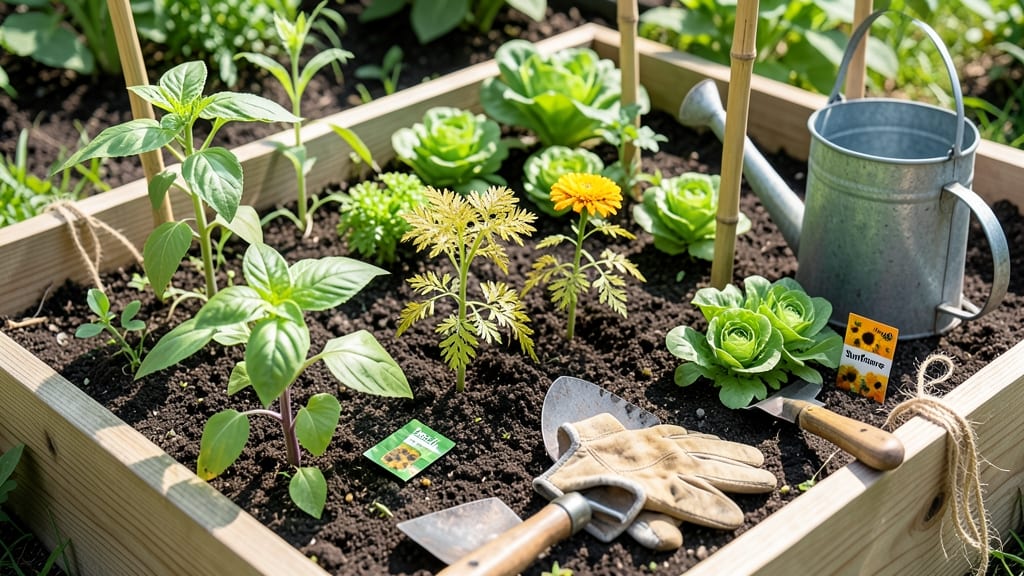
Creating a green seed garden that thrives year-round is simpler than you think—it’s all about choosing the right low-maintenance plants that blend beauty with function. 🌱 I’ve designed my own seed garden to look like a lush, evergreen lawn while producing seeds for next year’s harvest, and the best part?
It requires almost no extra effort once established.
The magic lies in mixing clover, creeping thyme, and white Dutch clover—these plants stay green all season, resist weeds naturally, and attract pollinators. They’re tough enough to handle foot traffic, so you can still enjoy your yard without worrying about mud or bare patches.
Plus, their shallow roots make them perfect for seed-saving since they don’t compete with deeper-rooted plants.
By late summer, you’ll have a carpet of vibrant green that stays vibrant through fall and even pops back early in spring. The flowers provide seeds for next year’s garden, and the dense growth chokes out weeds before they start.
It’s the kind of lawn that actually gives back—both to your garden and to the local ecosystem.
Works in any yard style, from cottage gardens to modern landscapes, and adapts to partial shade or full sun. The key is starting with healthy seed stock and letting nature do the rest. Ready to grow a lawn that’s as productive as it is pretty?
📚 In This Guide
- What you need
- Instructions
- Tips and common mistakes
- Wrapping up and next steps
What you need
- ● Seeds: Choose low-maintenance, drought-tolerant varieties like: Fine fescue (1-2 lbs per 1,000 sq ft)
- ● Creeping red fescue (1 lb per 1,000 sq ft)
- ● Buffalo grass (0.5-1 lb per 1,000 sq ft)
- ○ Clover (optional, for pollinators—0.5 lb per 1,000 sq ft)
- ● Soil: Test your soil’s pH (ideal: 6.0–7.0). Amend with compost (1–2 inches) if needed.
- ● Topsoil or Seed Starter Mix: 1–2 cubic yards (for large areas) or bags (for small patches).
- ● Organic Mulch: Straw or shredded leaves (1–2 inches) to retain moisture.
- ● Lawn Rake: Metal or plastic (for smoothing soil).
- ○ Broadcast Spreader: For even seed distribution (optional but helpful for large areas).
- ● Garden Gloves: A pair to protect your hands.
- ● Watering Can or Hose with Nozzle: Fine mist setting for gentle watering.
- ○ Soil pH Test Kit: (Optional but recommended for precision.)
- ● ✅ Sunlight: Full sun (6+ hours/day) for most grasses; partial shade for fescue blends.
- ● ✅ Water Source: Reliable access for consistent watering (especially in the first 2 weeks).
- ● ✅ Patience: Germination takes 7–21 days—stay consistent!
- ● ✅ Weather Check: Plant seeds in spring or early fall (avoid extreme heat or frost).
Step-by-Step instructions for creating a green seed garden
Here's how to transform your lawn into a lush, low-maintenance green seed garden that thrives year-round.
🌱 Step 1: Prepare the Soil for Planting
Start by testing your soil's pH and texture. A simple soil test kit will tell you if your lawn needs amendments. Most green seed gardens thrive in soil with a pH between 6.0 and 7.0. If your soil is too acidic or alkaline, adjust it using lime or sulfur as needed.
Next, loosen the top 6 inches of soil with a garden fork or tiller. This helps roots establish more easily and improves drainage. Remove any weeds or grass clumps by hand—this ensures your green seed garden has a clean start. I like to work in small sections, about 3 feet by 3 feet, to avoid overworking the soil.
🌿 Step 2: Choose and Plant Low-Maintenance Seed Varieties
Select a mix of drought-tolerant grasses and ground covers that suit your climate. For year-round coverage, I recommend a blend of fine fescue, creeping red fescue, and clover. These varieties stay green in shade and require less water than traditional lawns.
Spread the seeds evenly using a broadcast spreader or by hand. Aim for a coverage rate of about 10-12 pounds per 1,000 square feet. Lightly rake the seeds into the soil to ensure good seed-to-soil contact, but don’t bury them more than ¼ inch deep. This keeps them moist and encourages germination.
💧 Step 3: Water Consistently for Germination
Keep the soil consistently moist for the first 2-3 weeks after planting. Water lightly once or twice daily—just enough to keep the top ½ inch of soil damp. Overwatering can wash away seeds or cause them to rot, so use a gentle spray nozzle or soaker hose to apply water evenly.
Once the seeds sprout, reduce watering to once daily in the morning. This helps prevent fungal diseases like damping-off, which can kill young seedlings. You’ll know you’re doing it right when the new grass blades turn a vibrant green and fill in evenly.
☀️ Step 4: Maintain for Year-Round Beauty
After the grass reaches 3-4 inches tall, mow it to a height of 2-3 inches. This encourages deeper root growth and helps the lawn retain moisture. Use a sharp mower blade to avoid tearing the grass, and never cut more than ⅓ of the blade height at once.
Fertilize lightly twice a year—once in early spring and again in early fall—using a slow-release, organic fertilizer. This keeps the lawn lush without overfeeding, which can lead to thatch buildup. Water deeply after fertilizing to help nutrients penetrate the soil.
✂️ Step 5: Control Weeds and Pests Naturally
Pull weeds by hand when they’re young, before they take over. For persistent weeds, spot-treat with a vinegar-based herbicide in early spring. Avoid chemical herbicides, as they can harm your green seed garden and the environment.
Monitor for pests like grubs or chinch bugs. If you see brown patches or wilting grass, dig up a small section of soil to check for larvae. Treat infestations with beneficial nematodes or neem oil, which are safe and effective for organic lawn care.
Tips & tricks for perfect green seed garden maintenance
Took me a while to figure these out, so here goes—simple tricks that'll keep your green seed garden thriving without the fuss.
Soil Prep Secret: After loosening the top 6 inches of soil in Step 1, sprinkle a thin layer of compost over the area before planting. This gives your seeds a nutrient boost right from the start and improves soil structure. I like to use about 1/4 inch of compost—just enough to enhance the soil without smothering the seeds. This small step makes a huge difference in how quickly your green seed garden establishes.
Seed Placement Technique: When spreading those 10-12 pounds of seed per 1,000 square feet in Step 2, work in two perpendicular directions for even coverage. Start by going one way with your broadcast spreader, then go the opposite direction at a 90-degree angle. This crosshatching ensures you don't miss any spots and gives your garden that lush, even look. For small areas, a hand spreader works just as well if you take your time.
Watering Wisdom: During that critical 2-3 week germination period in Step 3, I've found the best time to water is early morning—around 6-8 AM. This gives the water time to soak in before the heat of the day evaporates it. Use a gentle rain setting on your hose or a soaker hose to prevent disturbing the seeds. You'll notice the difference in how quickly and uniformly your seeds sprout when you maintain this consistency.
Pro Tips for Green Seed Garden
- Took me a while to figure these out, so here goes—simple tricks that'll keep your green seed garden thriving without ...
- Soil Prep Secret: After loosening the top 6 inches of soil in Step 1, sprinkle a thin layer of compost over the area ...
- Seed Placement Technique: When spreading those 10-12 pounds of seed per 1,000 square feet in Step 2, work in two perp...
Frequently asked questions
What are the best low-maintenance plants for a year-round green lawn?
A mix of clover, creeping thyme, moss, and fine fescue grasses thrives in most climates. These plants require minimal watering, resist weeds, and stay vibrant with little effort. For shade, opt for Hosta or Liriope—both are hardy and drought-tolerant once established.
How long does it take for a green seed garden to establish?
Most low-maintenance ground covers take 4–8 weeks to germinate and 3–6 months to fully establish. During this time, keep soil moist (but not soggy) and avoid heavy foot traffic. Patience pays off—once rooted, these plants outcompete weeds and require almost no upkeep!
How often should I water a green seed garden?
Water lightly daily for the first 2 weeks to encourage germination, then taper to 2–3 times per week (deep soaks, not sprinkles). After establishment, most plants need water only during dry spells. Moss and clover are especially drought-resistant once mature.
Can I still have a green lawn in hot or cold climates?
For hot climates, choose buffalo grass or drought-tolerant sedges. In cold regions, creeping red fescue or wintergreen stay green year-round. Always check plant hardiness zones (USDA Zone 3–10 for most options) and adjust watering in extreme heat or cold.
What if my green seed garden turns brown or patchy?
Brown patches often mean drought stress, poor drainage, or fungal issues. First, check soil moisture—water deeply if dry. If fungus is suspected, apply a neem oil spray or reduce overhead watering. For thin spots, overseed with the same mix in early spring or fall. Moss can also indicate compacted soil—loosen it gently with a rake.
Wrapping up and next steps
Creating a green seed garden for year-round lawn beauty is simpler—and more rewarding—than you might think! With the right low-maintenance plants and a little planning, you can enjoy a lush, vibrant lawn without the hassle of constant upkeep.
Whether you’re a gardening newbie or a seasoned pro, this approach makes sustainability and stunning visuals effortless.
Ready to take the next step? Start small—pick one or two plants from our recommendations, test your soil, and begin sowing. Watch as your green seed garden thrives, turning your outdoor space into a serene, eco-friendly retreat! 🌱✨