
Size
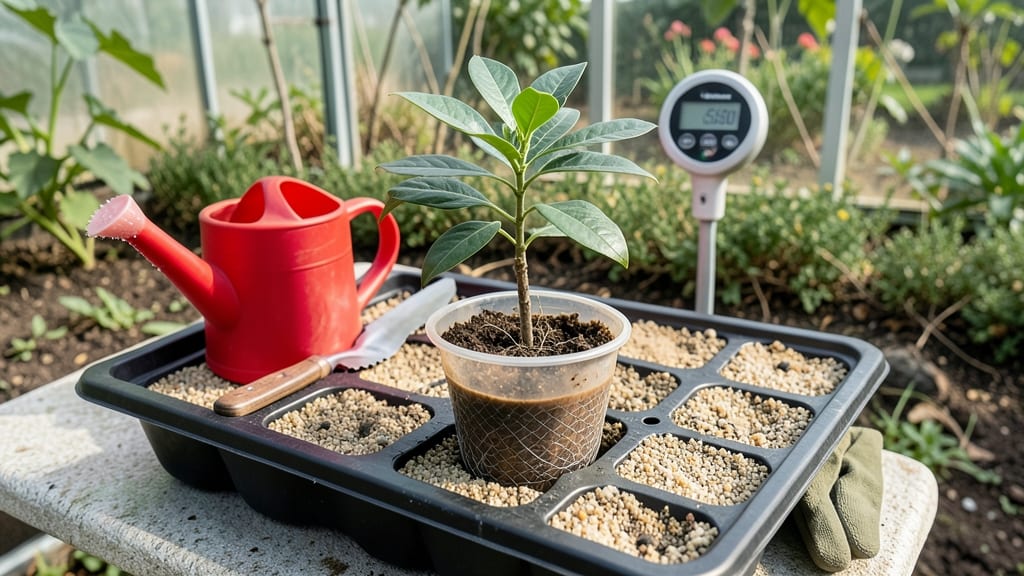
Growing a garden from starfruit seed turns your backyard into a tropical oasis—6 to 12 months of patience pays off with fragrant, star-shaped fruit. 🌱 I’ve grown mine from grocery store seeds, and while they take time, the journey is worth it.
These trees thrive in warm climates but can start indoors if you live in cooler zones. The secret to success? Mimicking their natural habitat. Starfruit loves well-draining soil, bright light, and regular watering—think of it like growing a small citrus tree.
Start seeds in pots, then transplant outdoors once frost risk passes. Prune lightly to encourage bushier growth, and watch for those first star-shaped leaves. By year two, you’ll see flowers (and maybe even fruit) if you’ve given them enough love.
The trees grow 10-20 feet tall, so plan for space or prune to keep them manageable. Pests are rare, but watch for aphids or mites—neem oil works great if they show up. This isn’t a fast crop, but the reward? Fresh, tangy starfruit straight from your own tree.
Perfect for gardeners with patience and a warm spot to grow. Let’s get those seeds sprouting!
📚 In This Guide
- What you need
- Instructions
- Tips and common mistakes
- Wrapping up and next steps
What you need
- ● Starfruit seeds: 3–5 fresh, plump seeds (harvested from ripe, organic starfruit—avoid store-bought if treated with preservatives).
- ● Seed-starting mix: 1 small bag (1–2 quarts) of well-draining potting soil (e.g., cactus/succulent mix or a blend with perlite/vermiculite).
- ● Seed trays or small pots: 3–5 biodegradable pots (2–3 inches deep) or a seed-starting tray with individual cells.
- ● Plastic wrap or humidity dome: To create a mini greenhouse effect (clear plastic wrap or a store-bought propagation lid).
- ● Spray bottle: For gentle watering (avoid soaking the soil).
- ● Grow lights or sunny windowsill: A south-facing window or a LED grow light (12–16 hours/day) for seedlings.
- ○ Fertilizer (optional but recommended): A balanced, water-soluble fertilizer (e.g., 10-10-10) diluted to half-strength for young seedlings.
- ● Heat mat: Keeps soil warm (75–85°F) to speed up germination.
- ● pH testing kit: Ensures soil pH is slightly acidic (5.5–6.5)—starfruit loves it!
- ● Transplanting pots: 5–6 inch pots for seedlings before moving outdoors.
- ● Mulch: Organic mulch (e.g., straw or wood chips) to retain moisture in the garden bed.
- ● Pruning shears: For shaping the tree as it grows.
Step-by-step instructions for growing starfruit from seed
Here's how to turn those tiny seeds into sturdy tropical trees within a year.
🌱 Step 1: Extract and Prepare the Seeds
Starfruit seeds are encased in a hard, fibrous pod. Wear gloves—starfruit sap can irritate skin—and carefully slice open the fruit with a sharp knife to reveal the seeds. Remove any remaining pulp by rinsing under cool water, then let them dry for 24 hours on a paper towel. This prevents mold while keeping the seed coat intact.
I like to soak the seeds in lukewarm water for 12-24 hours before planting. The seed coat is tough, and this softens it just enough to speed up germination. After soaking, pat them dry with a clean towel—you want them damp, not dripping.
🪴 Step 2: Choose Containers and Fill With Moisture-Retentive Mix
Use 4-inch diameter pots for each seed—starfruit seedlings need room to develop strong roots early. Fill the pots with a mix of 50% potting soil and 50% perlite or coarse sand. This ensures drainage while keeping moisture where the roots need it. Tap the pot gently to settle the mix without compacting it.
Moisten the soil until it feels like a damp sponge—squeeze it gently, and it should hold together but not drip. Plant each seed ½ inch deep, pressing lightly to ensure good soil contact. Label each pot with the planting date and variety (if known), since starfruit seeds can take 2-3 months to sprout.
☀️ Step 3: Provide Warmth and Humidity for Germination
Starfruit seeds need 75-85°F soil temperatures to germinate. Place the pots in a warm, humid spot—under a grow light or in a greenhouse works best. Cover the pots with clear plastic wrap to trap moisture, but prop it up slightly to avoid touching the soil. Check daily for condensation on the wrap—if it’s dry, mist the soil lightly.
Germination can be unpredictable, so be patient. You’ll know it’s working when the first tiny shoot pushes through the soil, followed by two round cotyledon leaves (the seed leaves). Once you see these, remove the plastic wrap immediately—too much humidity now invites fungal diseases.
💧 Step 4: Transition to Light and Care for Young Seedlings
Move the seedlings to a bright spot with indirect light (no harsh midday sun yet). A south-facing window or a grow light kept 6 inches above the plants works well. Water when the top inch of soil feels dry, but avoid soggy soil—starfruit seedlings are sensitive to root rot.
Fertilize lightly after the first true leaves appear (not the cotyledons) with a balanced, water-soluble fertilizer diluted to half strength. You’ll see new growth within 2-3 weeks if conditions are right. If the seedlings look leggy or pale, they need more light—adjust the grow light or move them closer to the window.
⏰ Step 5: Transplant and Prepare for Outdoor Growth
After 4-6 months, when seedlings reach 6-12 inches tall and have a sturdy stem, transplant them into 1-gallon pots filled with a mix of 60% potting soil and 40% compost. Handle the roots gently—starfruit trees develop a taproot early, and disturbing it can stunt growth.
Hardening off takes 2-3 weeks if you plan to move them outdoors. Start by placing them in a shaded spot for 1 hour daily, gradually increasing time and sun exposure. Once they tolerate full sun without wilting, they’re ready for their permanent home—either in the ground (in warm climates) or in large containers.
Tips & tricks for growing starfruit from seed
Turning those tiny starfruit seeds into thriving trees takes patience—and these tricks will help you skip the common pitfalls along the way.
Seed Preparation: Don't rush the 24-hour drying time after rinsing your seeds! This step prevents mold while keeping the seed coat intact. I learned this the hard way after watching seeds rot in damp conditions. For faster germination, soak seeds in lukewarm water for exactly 12-24 hours—any longer risks softening the seed too much, which can inhibit growth.
Soil Mix Strategy: The 50/50 mix of potting soil and perlite/sand is crucial for starfruit seedlings. This balance prevents waterlogging while retaining enough moisture for tender roots. I recommend using a fine perlite to avoid sharp edges that could damage delicate seedling roots during the early stages.
Germination Environment: Maintaining that 75-85°F soil temperature range is non-negotiable for germination. If your home stays cooler, consider using a seedling heat mat under your pots. The plastic wrap trick works wonders for humidity, but remember to remove it immediately after those first two cotyledon leaves appear—too much moisture after germination invites fungal problems.
Light Transition: When moving seedlings to indirect light after germination, start with just a few hours of morning sun if using a window. The 6-inch distance from grow lights is perfect, but if you notice seedlings stretching toward the light (leggy growth), you're not providing enough intensity. A simple LED grow light with full spectrum works better than cheap options that only emit blue light.
Pro Tips for Starfruit Seed Grow A Garden
- Turning those tiny starfruit seeds into thriving trees takes patience—and these tricks will help you skip the common ...
- Seed Preparation: Don't rush the 24-hour drying time after rinsing your seeds! This step prevents mold while keeping ...
- Soil Mix Strategy: The 50/50 mix of potting soil and perlite/sand is crucial for starfruit seedlings. This balance pr...
Frequently asked questions
Got questions about growing starfruit from seed? You’re not alone—this tropical gem requires patience and the right know-how! Below, we tackle the most common concerns to help you avoid pitfalls and nurture a thriving tree.
How long does it take for a starfruit seed to sprout?
A starfruit seed typically sprouts within 2 to 4 weeks if kept in warm, moist conditions (around 70–85°F). If nothing happens after a month, gently check for rot—seeds may need fresh planting or a humidity boost (like a plastic dome). Patience is key!
Can I grow starfruit from seed in a pot, or does it need a garden bed?
Starfruit thrives in pots for 1–2 years before transplanting, but choose a 5+ gallon container with drainage. Use well-draining soil (like cactus mix) and place it in full sun. Just ensure the pot is large enough—starfruit roots grow deep!
What’s the best climate to grow starfruit from seed?
Starfruit is a tropical/subtropical plant and needs warmth year-round (USDA zones 10–12). If you’re in a cooler zone, grow it in a greenhouse or large pot you can winter indoors. Frost will kill it—so plan ahead!
Will my homegrown starfruit taste like store-bought fruit?
Probably not! Seed-grown starfruit may vary in flavor, shape, and sweetness compared to grafted trees (used commercially). For consistent results, consider buying a grafted sapling—but growing from seed is still rewarding for the adventure!
What pests or diseases should I watch for on starfruit seedlings?
Common threats include:
- Scale insects (sticky residue on leaves)
- Root rot (from overwatering—let soil dry slightly between waterings)
- Fungal spots (prune affected leaves and improve airflow)
Neem oil or insecticidal soap can help—act fast to protect your young tree!
Wrapping up and next steps
Growing starfruit from seed is a rewarding adventure that brings a taste of the tropics to your garden! 🌱 With patience and the right care, you’ll soon enjoy lush foliage and—if you’re lucky—sweet, aromatic fruit in just 6 to 12 months.
Whether you’re a beginner or a seasoned gardener, this tropical tree is a fantastic addition to your green space, offering both beauty and potential harvests.
Now that you’re armed with tips and tricks, take the plunge and plant those seeds! Start small, stay consistent with watering, and watch your starfruit tree thrive. Ready to turn your garden into a tropical oasis? Grab your seeds and get growing today! 🌿✨