
Lawn
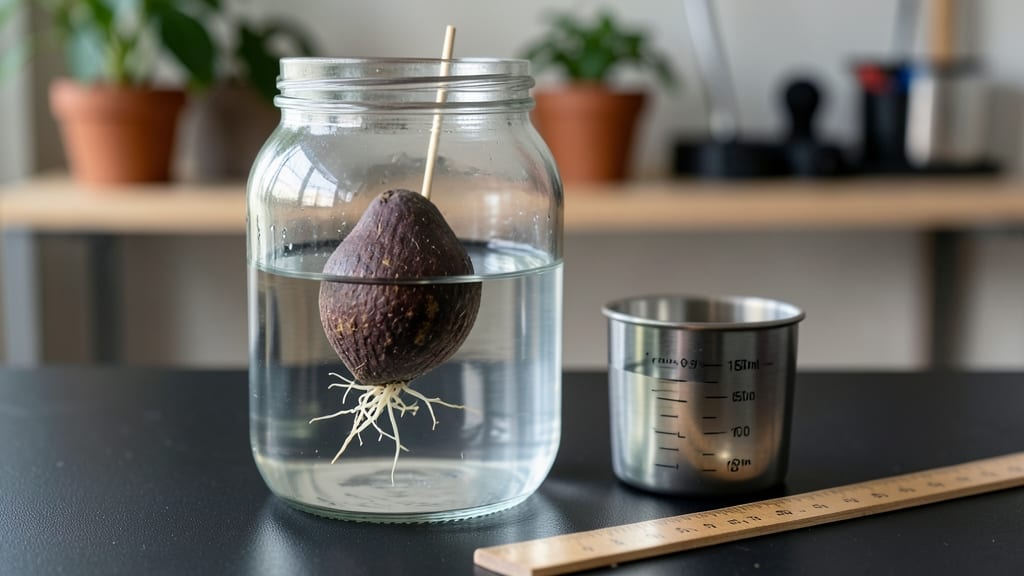
Starting an avocado seed in water is the easiest way to grow your own tree from a kitchen scrap. 🌱 I’ve sprouted avocado seeds every winter for years, and the secret lies in patience and consistent water—no fancy equipment needed.
The first tiny roots appear within 2-3 weeks, and once they’re 3-4 inches long, you’ll transplant to soil, setting the stage for a houseplant that could live for decades.
The trick is keeping the water level just right—always covering the bottom ½ inch of the seed without drowning it. Place your seed near a sunny window (or under a grow light) where temperatures stay between 65-75°F.
Too much light scorches the seed; too little stunts growth. I’ve killed seeds by letting the water evaporate completely, so check it daily and top off as needed.
By the time those roots hit 4 inches, you’ll be ready to plant in well-draining soil. The seedling grows slowly at first but rewards you with glossy leaves and a sturdy trunk.
Some take years to fruit, but the journey—watching roots thicken and leaves unfurl—makes it worth every drop of water.
Works for any avocado pit, from store-bought to homegrown. Here’s how to avoid the most common mistakes—and keep your seed from rotting or drying out.
📚 In This Guide
- What you need
- Instructions
- Tips and common mistakes
- Wrapping up and next steps
What you need
- ● Avocado pit (seed) – Fresh from a ripe avocado (organic if possible).
- ● Sharp knife or peeler – For carefully removing the seed without damaging it.
- ● Toothpicks or small skewers (3-4) – To suspend the seed in water.
- ● Clear glass or jar (16-24 oz) – Tall enough to submerge ~1 inch of the seed.
- ● Filtered or room-temperature water – Avoid tap water if it’s heavily chlorinated.
- ● Patience and a sunny spot (indirect light) – Roots can take 2-6 weeks to appear!
- ○ Rooting hormone – Speeds up root growth (optional for avocados but fun to experiment with!).
- ● Small pebbles or marbles – To weigh down toothpicks and keep the seed stable.
- ● Spray bottle with water – For misting if the seed dries out.
- ● Notebook or camera – To track progress and celebrate milestones!
Step-by-Step instructions for growing avocado seeds in water
Here's how to coax that avocado pit into roots—no fancy tools needed.
🌱 Step 1: Prepare the Seed for Planting
Start with a fresh avocado pit—one that's still firm and hasn't dried out. Rinse it gently under cool water to remove any remaining fruit flesh. The key here is to expose the seed's base without damaging it. I like to use a butter knife to carefully slice off the pointed top (about ¼ inch thick), exposing the flat, brown side where the roots will emerge.
Don't cut too deep—just enough to reveal the seed's base. You'll see a small, pale area where the roots will push through. This is the spot to keep submerged in water. If you're nervous about cutting, you can also leave the top intact and just place the pit flat-side down in the water—it'll still work, but may take a few extra days to sprout.
💧 Step 2: Set Up the Water Container
Use a small glass or jar with a wide enough opening to fit the avocado pit comfortably. Fill it with room-temperature water (around 70°F)—cold water can shock the seed, while warm water might encourage mold. I like to use a clear container so I can monitor the water level and root growth without disturbing the seed.
Place the pit in the water so that only the flat, cut side is submerged—about 1 inch of the pit should stay above water. The top should never touch the water, or it'll rot. Secure the pit in place with 3-4 toothpicks arranged around the edges, propping it up at a slight angle. This keeps it stable and ensures the submerged part stays fully underwater.
☀️ Step 3: Position for Optimal Growth
Find a spot with bright, indirect light—like a windowsill facing east or west. Direct sunlight can overheat the water and encourage algae growth, while too little light slows root development. You'll know the light is right when the water stays clear and the pit feels cool to the touch.
Change the water every 3-4 days to keep it fresh and oxygenated. You'll see tiny white roots emerge in 2-6 weeks, depending on your home's humidity and temperature. Once roots reach 2-3 inches, they're strong enough to transfer to soil—but don't rush it. Wait until they're at least 4-5 inches for the best chance of survival.
🪴 Step 4: Transition to Soil
When roots are 4-5 inches long, it's time to plant. Fill a 6-inch pot with well-draining potting mix—avoid garden soil, which can compact and suffocate roots. Make a small hole in the center and gently place the pit so the roots spread downward naturally. The top of the pit should sit just below the soil surface.
Water lightly until the soil is moist but not soggy. Keep the pot in bright, indirect light for the first week, then gradually introduce more sunlight. The seedling may take 4-6 weeks to sprout its first leaves—be patient! Once it does, you'll need to keep the soil consistently moist (but never waterlogged) and fertilize lightly every 2-3 months with a balanced houseplant fertilizer.
⏰ Step 5: Care for Your Young Avocado Tree
Your avocado tree will grow slowly at first, but with time, it can reach 6-10 feet tall indoors. Rotate the pot quarter-turn weekly so the tree grows straight toward the light. When it outgrows its first pot, transplant it to a 12-inch container with fresh potting mix—avocados hate crowded roots.
Here's the thing—it'll take 3-5 years before your tree produces fruit, but the journey is rewarding. Watch for yellowing leaves (a sign of overwatering) or brown spots (too much sun). With consistent care, you'll have a thriving tree that's a conversation piece—and maybe even a future avocado harvest!
Tips & tricks for perfect avocado seed sprouting
Here's what I learned after growing dozens of avocado trees from seed—these tricks make all the difference.
The Cutting Technique: When you slice off that ¼-inch top in Step 1, aim for a clean, level cut—no jagged edges. I use a butter knife held at a slight angle to shave just enough to expose the pale root zone. If you're nervous about cutting, you can skip it entirely and place the whole pit flat-side down in water, but expect to wait an extra week or two for roots to appear. The key is keeping that flat side submerged while letting the top stay dry.
Water Temperature Matters: That 70°F room-temperature water in Step 2 is non-negotiable. Cold water shocks the seed, while warm water encourages mold. I keep my water container on the counter near the sink so I can easily monitor and refresh it. If your kitchen runs cold, let the water sit out for 10 minutes before adding the pit to bring it up to temperature. You'll notice roots grow faster when the water stays consistently around this mark.
Lighting Secrets: Bright, indirect light is your best friend in Step 3. I place my sprouting pit on an east-facing windowsill where it gets morning sun but avoids the harsh afternoon heat. If you only have south-facing windows, use a sheer curtain to diffuse the light. Watch for algae growth—if the water turns green, it's getting too much direct sun. Clear water means you're on the right track.
Root Development Watch: Those 2-6 weeks in Step 3 can feel like forever, but don't rush it! I check my roots every 3-4 days when I change the water, looking for the first white tendrils. Once roots hit 2-3 inches, they're strong enough for soil, but I wait until they reach 4-5 inches for better transplant success. The longer roots get before planting, the better chance your tree has to thrive long-term.
Pro Tips for Starting Avocado Seed In Water
- Here's what I learned after growing dozens of avocado trees from seed—these tricks make all the difference.
- The Cutting Technique: When you slice off that ¼-inch top in Step 1, aim for a clean, level cut—no jagged edges.
- Water Temperature Matters: That 70°F room-temperature water in Step 2 is non-negotiable.
Frequently asked questions
Got questions about sprouting avocado seeds in water?
You’re not alone! Here are answers to the most common concerns—so you can grow those lush roots with confidence.
How long does it take for avocado roots to appear?
Patience is key! Roots typically sprout within 2–6 weeks, depending on seed size, water temperature (ideal: 70–80°F), and consistency. Keep the seed half-submerged in fresh water and change it every 2–3 days to avoid mold. If nothing happens after 6 weeks, your seed may be dormant—try a warm spot or a tiny rooting hormone boost.
What if my avocado seed starts to rot?
Rotting is a common issue, but it’s easy to fix! If you see black, mushy spots or a foul smell, your seed is overwatered or in stagnant water. Act fast:
- Rinse the seed under cool water to remove slime.
- Trim any soft, blackened areas with sterilized scissors.
- Reset it in fresh, room-temperature water—only the bottom third submerged.
- Avoid overcrowding in the jar (one seed per container is best!).
Can I use tap water, or should I use filtered/distilled?
Tap water is usually fine, but if it’s heavily chlorinated or hard (high mineral content), it can slow growth or cause root stress. For best results:
- Let tap water sit out for 24 hours to evaporate chlorine.
- Use filtered or distilled water if your tap water is cloudy or leaves white residue.
- Avoid salty or softened water—it can harm delicate roots.
How do I know when to stop water and plant the seed?
You’ll know it’s time to plant when your seed has 2–3 inches of healthy, white roots (about 4–6 weeks). Look for these signs:
- Roots are thick and firm (not limp or brown).
- A tiny green sprout may appear—this is your plant’s first leaf!
- Water changes no longer cause the seed to float (roots are strong enough to hold it).
What if my avocado seed won’t sprout at all?
Don’t worry—some seeds are stubborn! Try these troubleshooting steps:
- Check the seed: Some avocado pits are hollow inside (common in store-bought avocados). Tap it gently—if it sounds hollow, it won’t sprout.
- Warm it up: Place the jar in a sunny windowsill or near a heater (but avoid direct heat). Roots love warmth!
- Try a rooting hormone: Dip the bottom of the seed in natural rooting powder (like willow water or cinnamon) before resubmerging.
- Patience pays off: Some seeds take up to 8 weeks. If all else fails, try another seed—success rates vary!
Wrapping up and next steps
Starting an avocado seed in water is a simple, rewarding way to grow your own plant—and who knows? You might just nurture a thriving tree!
With patience and a little care, you’ve got everything you need to watch those roots sprout and flourish. Now that you’re ready to begin, why not share this fun project with friends or family? Next, grab those supplies and give it a try—your future avocado tree is waiting! 🌱✨