
Planting
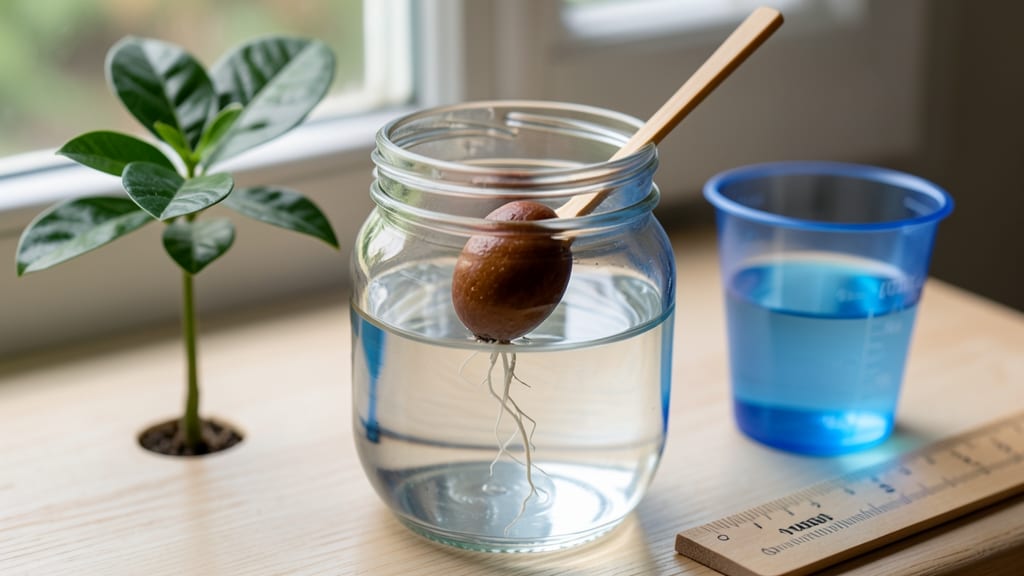
Planting a mango seed in water is the easiest way to grow your own tropical tree—roots appear in just 2-3 weeks if you follow these simple steps. 🌱 I’ve sprouted over a dozen mango seeds this way, and the trick isn’t complicated: it’s all about patience, clean water, and a little sunlight.
The first sign of life comes when tiny white roots break through the seed’s shell, and that moment is pure magic. You’ll need just three things: a ripe mango (the sweeter, the better), a glass or jar with water, and a sunny windowsill.
The seedling stage is delicate—water changes every 2-3 days prevent mold, and keeping the seed in indirect light speeds up germination. Most seeds start showing roots within 10-14 days, but some take up to 3 weeks, so don’t rush it.
Once those roots hit 1-2 inches, it’s time to transition to soil. I use a small pot with well-draining mix and keep it moist but not soggy. The first true leaves signal the seedling is ready for real growth—though it’ll take years before it bears fruit. The real reward?
Watching it grow from a tiny sprout into a lush, leafy plant. This method works year-round, whether you’re in a warm climate or a cool one with a sunny spot.
Just remember: patience is key—your mango tree’s journey starts with that first root, and every step builds toward something extraordinary.
📚 In This Guide
- What you need
- Instructions
- Tips and common mistakes
- Wrapping up and next steps
What you need
- ● 1 fresh mango seed – Choose a seed from a ripe, organic mango (avoid seeds from store-bought fruit treated with preservatives).
- ● 1 small glass or jar – A clear container (8–12 oz) with a wide mouth works best for visibility and airflow.
- ● Filtered or distilled water – Tap water may contain chlorine or chemicals that could harm the seed.
- ● 1 spoon or popsicle stick – For gently pressing the seed into the water.
- ○ 1 paper towel or coffee filter – Optional but helpful for stabilizing the seed if needed.
- ● 1 bright, warm location – A sunny windowsill (6–8 hours of indirect light daily) or a grow light.
- ● Patience and enthusiasm! – Roots typically appear in 2–3 weeks with proper care.
- ● Hydroponic nutrients – A tiny drop of liquid seaweed extract or diluted fertilizer (once roots are 1–2 inches long) can boost growth.
- ● Rubbing alcohol or hydrogen peroxide – To sterilize the jar and tools if reusing them.
- ● A notebook or camera – For tracking root progress and celebrating milestones!
- ● Pebbles or small stones – To weigh down the seed if it floats or for better drainage.
Step-by-step guide to growing mango roots in water
Here's the simple method I've used to grow strong mango roots—no special equipment needed.
🌱 Step 1: Extract and Prepare the Seed
Start with a fresh, plump mango seed—avoid dried or shriveled ones. Cut open the seed with a sharp knife, removing all the fibrous flesh inside. Rinse the seed under cool water to remove any remaining pulp, then let it air-dry for 10-15 minutes on a paper towel.
Look for a small crevice where the seed naturally splits—this is where the root will emerge. If the seed feels heavy and sinks in water, it's ready. If it floats, it's not viable. Real talk: Don't use seeds from store-bought mangoes—they're often treated to prevent sprouting. Grab one from a fresh, organic fruit instead.
💧 Step 2: Set Up the Water Container
Use a clear glass or jar with a wide mouth—something that lets you see the seed and roots clearly. I like a 16-ounce mason jar because it gives the roots room to grow without tipping over. Fill it with room-temperature water (not cold) until the seed is fully submerged, leaving about ½ inch of water above it.
Change the water every 3-4 days to prevent mold or bacteria buildup. You'll know it's time when the water looks cloudy or smells funky. Here's the thing—don't use tap water with chlorine unless you let it sit out for 24 hours first. Chlorine can stunt root growth.
☀️ Step 3: Position for Optimal Growth
Place the jar in a spot with bright, indirect light—think east-facing windowsill or under fluorescent lights. Direct sunlight can overheat the water and damage the delicate roots. You'll see tiny white roots emerge within 7-10 days, growing downward toward the bottom of the jar.
Once roots reach about 2-3 inches long, they're ready for the next stage. Watch for new growth at the top of the seed—this is the sprout beginning to push upward. If the water level drops, top it off with fresh room-temperature water, but avoid overfilling. Roots need air circulation too.
🌿 Step 4: Transition to Soil (When Roots Are Ready)
When roots are 3-4 inches long and the sprout shows first true leaves (not just the initial seedling leaves), it's time to plant. Fill a small pot with well-draining potting mix and make a hole deep enough to bury half the seed and all the roots.
Gently place the seed in the hole, roots first, then cover lightly with soil. Water thoroughly until moisture runs from the bottom of the pot. Keep the soil consistently moist but not soggy—you'll know it's right when the top inch feels damp but not wet. This is the moment that matters: Don't rush this step. Wait until the seedling shows strong root growth before moving it outdoors.
⏰ Step 5: Maintain Through Early Growth
Place the potted seedling in bright, indirect light for 1-2 weeks while it adjusts. Gradually introduce it to more sunlight over 7-10 days. You'll see new leaves emerge within a week—that's your signal everything is working.
Water when the top inch of soil feels dry, but avoid letting it dry out completely. Mango seedlings are sensitive to overwatering, so if the leaves yellow or drop, you're probably giving it too much moisture. Once the seedling reaches 6-8 inches tall, you can begin fertilizing lightly with a balanced, water-soluble fertilizer diluted to half strength.
Tips & tricks for perfect mango root growth
Common pitfalls—and how to sidestep every one—when growing mango roots from seed.
Seed Selection: The 10-15 minute air-drying step in Step 1 is critical. This prevents mold and helps the seed absorb water properly. I've tried skipping it, and the seeds either rot or take forever to sprout. Place the seed on a clean paper towel in a single layer—don't stack them. If you're unsure about seed viability, do the float test: healthy seeds sink, while empty or dried ones float.
Water Quality: The 3-4 day water change schedule is non-negotiable. I learned this the hard way after seeing mold grow on my second attempt. Use room-temperature water (never cold) to avoid shocking the seed. If you must use tap water, let it sit uncovered for 24 hours to allow chlorine to evaporate. You can also use filtered or distilled water if available—this gives you the cleanest possible environment for root development.
Light Positioning: Bright, indirect light is key during the 7-10 day root emergence phase. A south-facing window with sheer curtains works perfectly. Direct sunlight can cause the water to heat up too quickly, which stresses the delicate roots. If you notice the water getting warm to the touch, move the jar to a cooler spot. Once roots reach 2-3 inches, you can gradually introduce slightly more direct light to encourage stronger growth.
Transition Timing: Waiting until roots reach 3-4 inches before planting is crucial—this gives the seedling enough strength to handle soil. I've rushed this step before, and the seedlings would either wilt or fail to thrive. When planting, bury only half the seed—this prevents rot while keeping the seedling stable. The top inch of soil should feel damp but not wet; mango seedlings hate soggy conditions and are prone to root rot if overwatered.
Pro Tips for Plant A Mango Seed In Water
- Common pitfalls—and how to sidestep every one—when growing mango roots from seed.
- Seed Selection: The 10-15 minute air-drying step in Step 1 is critical.
- Water Quality: The 3-4 day water change schedule is non-negotiable.
Frequently asked questions
Got questions about growing mango seeds in water? You’re not alone—here are the most common ones, answered clearly and concisely to help you succeed!
How long does it take for a mango seed to sprout roots in water?
A mango seed typically sprouts roots in 2–3 weeks if kept in warm (70–85°F), indirect sunlight and changed water every 2–3 days. Patience is key—some seeds take up to 4–6 weeks! Avoid overcrowding the jar to prevent mold.
What if my mango seed only grows roots but no leaves?
Don’t worry—this is normal! Roots may appear first, but leaves usually follow in 1–2 weeks. Keep the seed in water until a 2-inch root system and 2–3 leaves form before transplanting. Yellowing leaves? Check for low light or stagnant water.
Can I plant the mango seed directly in soil instead of water?
Yes! Some gardeners prefer soil germination for faster growth. Plant the seed ½-inch deep in moist, well-draining soil (like a mix of perlite and potting soil) and keep it warm. Roots may take 3–4 weeks to appear, but seedlings often thrive better without the transplant shock.
Why is my mango seed rotting in water?
Rotting usually happens from stagnant water or bacteria buildup. Change the water every 2–3 days and ensure the seed is only half-submerged. If mold appears, rinse the seed gently and let it dry for a few hours before re-submerging. A fresh jar with clean water helps too!
Will a mango tree grown from seed produce fruit?
While possible, seed-grown mangoes rarely fruit like grafted trees (which take 5–10 years). The fruit may also differ in taste or size. If you want edible mangoes, consider buying a grafted sapling from a nursery—but growing from seed is a fun (and free!) experiment!
How do I transition the seedling from water to soil?
Once roots are 2+ inches long and leaves appear, harden off the seedling: place it near sunlight for a few hours daily. Plant it in a small pot with drainage, burying the roots 1 inch deep. Water lightly and keep soil moist (not soggy) for the first week.
Still stuck? Drop your question in the comments—we’re happy to help your mango seed thrive!
Wrapping up and next steps
Growing a mango tree from a seed in water is a rewarding journey that blends patience with the joy of nurturing life! 🌱 With just a few simple steps—like keeping your seed moist, providing sunlight, and a little love—you’ll soon see roots sprouting in as little as 2-3 weeks.
Whether you’re a beginner or a green-thumb enthusiast, this method proves that nature’s magic starts with small, intentional actions.
Now that you’re armed with the know-how, why not take the next step? Once your seedling has strong roots, it’s time to transplant it into soil and watch it grow into a thriving mango tree. Happy planting—your future tree awaits! 🌟