
Size
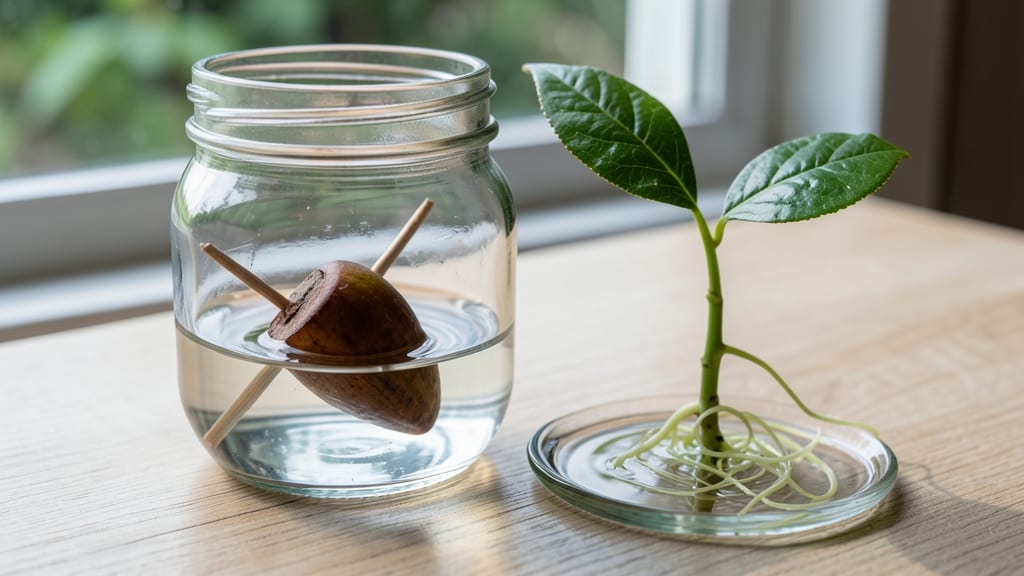
Growing a mango seed in water is the fastest way to see those first green shoots—within 2-4 weeks if you follow the right steps. 🌱 I’ve watched my own seeds sprout in clear glass jars, their roots coiling like little green springs before they’re ready for soil.
The trick isn’t just patience; it’s creating the perfect balance of moisture, warmth, and light to wake up that dormant seed.
You’ll need just a few things: a clean mango pit (scrubbed and dried), a clear glass jar, water, and a sunny windowsill. The key is changing the water every 2-3 days to prevent mold and keeping the jar in bright, indirect light—never direct sun, which can overheat the water.
I’ve seen seeds rot when left too long in stagnant water, so freshness is everything.
When those first roots reach 2-3 inches, you’ll know it’s time to plant. The seedling will be delicate, so handle it like you would a newborn—gentle and careful.
You’ll end up with a tiny mango tree that, with time, could grow tall enough to bear fruit (though it takes years, and even then, store-bought mangoes might still taste better).
This method works best in warm climates or indoors near a sunny window. If you’re in a cooler zone, you’ll need to supplement with grow lights. The real magic? Watching roots grow before your eyes—it’s like nature’s own time-lapse video. Ready to try it?
📚 In This Guide
- What you need
- Instructions
- Tips and common mistakes
- Wrapping up and next steps
What you need
- ● 1 fresh mango seed – Choose a seed from a ripe, organic mango (the fresher, the better!).
- ● 1 clear glass or jar – A 16–20 oz size works perfectly (think mason jar or a simple drinking glass).
- ● Filtered or distilled water – 2–3 cups (avoid tap water if it’s heavily chlorinated).
- ● 1 small plate or saucer – To stabilize the glass and catch drips.
- ○ Optional: toothpicks or skewers – For propping the seed open (if the shell is stubborn!).
- ● Tweezers or needle – For gently prying open the seed if needed.
- ● Spray bottle – To mist the seed lightly if the water evaporates too fast.
- ○ Small fan (optional) – For gentle airflow to prevent mold (place it far from the seed!).
- ● Notebook & pen – To track growth progress (because watching roots sprout is that exciting!).
Step-by-step instructions for growing a mango seed in water
Here's how to coax life from a mango pit—no soil needed, just patience and clear glass.
🌱 Step 1: Prepare the Mango Seed
Start with a fresh mango pit—one that's been inside fruit for at least a week. Rinse it thoroughly under warm water to remove any remaining fruit residue, then let it dry completely. The key here is cleanliness; any leftover fruit can attract mold and ruin your sprouts before they even begin.
Use a clean knife to carefully slice the pit lengthwise, being cautious not to cut too deeply into the seed itself. You'll see two halves—remove the seed from one side, exposing the flat side where the roots will emerge. This flat side is your anchor point; it's where the magic happens. Set the seed aside for now—we'll use it in the next step.
💧 Step 2: Set Up the Water and Glass Container
Fill a clear glass container—like a mason jar or drinking glass—with enough water to cover about one-third of the seed. Use room-temperature water; cold water can shock the seed and delay germination. Place the seed in the glass with the flat side down, ensuring it stays submerged just enough to keep the bottom moist but not fully immersed.
Position the glass in a spot with bright, indirect light—think near a window with sheer curtains or under a grow light. Direct sunlight can overheat the water and cause the seed to rot. Watch for the water level to drop as it evaporates; top it off with fresh water every 2-3 days to maintain that one-third coverage. You'll see tiny white roots emerge within 7-14 days.
☀️ Step 3: Monitor Growth and Adjust Light
Once the roots reach about 2 inches long, it's time to introduce more light—but carefully. Place the glass in a location with 4-6 hours of indirect sunlight daily. You'll notice the seedling begin to stretch toward the light, and the first true leaves will unfurl in about 3-4 weeks. These leaves are your signal that the seedling is ready for the next phase.
Here's where it gets tricky: if the water turns cloudy or smells funky, it's time to refresh it. Dump the old water, rinse the glass, and refill with fresh water. Cloudy water means bacteria are thriving, and that can stunt or kill your seedling. Keep the roots submerged just enough to stay hydrated, but avoid drowning them—roots need air too.
🪴 Step 4: Transition to Soil (When Ready)
When your mango seedling has 3-4 true leaves and roots are 3-4 inches long, it's time to plant it in soil. Fill a small pot—about 4 inches deep—with well-draining potting mix. Make a hole in the center, gently place the seedling in, and cover the roots with soil, leaving the top leaves above the surface. Water lightly to settle the soil around the roots.
Place the pot in a warm, sunny spot—65-75°F is ideal. Mango trees love warmth and thrive in full sun. Keep the soil consistently moist but not soggy; overwatering is the fastest way to kill a young seedling. Within a few weeks, you'll see new growth as the plant adjusts to its new home.
Tips & tricks for fast sprouting mango seeds
Real talk: growing a mango seed in water is all about patience and precision—these tricks will help you skip the common pitfalls and speed up those first sprouts.
Seed Selection: Not all mango pits are created equal. Choose one from a fully ripe, organic mango if possible—they've had more time to mature and store energy for germination. I've noticed that seeds from store-bought mangos often take longer to sprout than those from fresh, vine-ripened fruit. If you're unsure about freshness, soak the pit in warm water overnight before slicing to soften it slightly for easier opening.
Lighting Strategy: The 4-6 hours of indirect light in Step 3 is your sweet spot—too little light delays growth, while too much can scorch delicate sprouts. I've found that placing the glass near an east-facing window gives the perfect balance. For faster results, consider adding a small LED grow light for 6-8 hours daily once roots appear. Just keep it 6-8 inches away to avoid overheating the water.
Water Maintenance: That one-third water coverage is critical—too much drowns the seed, too little dries it out. I've learned the hard way that using distilled or filtered water can prevent cloudiness better than tap water. Change the water every 2-3 days religiously, even if it doesn't look dirty. The evaporation rate speeds up once roots start growing, so keep an eye on that water level after day 7.
Transition Timing: Waiting for 3-4 true leaves and 3-4 inch roots before planting might seem like forever, but rushing this step often leads to transplant shock. I've had the best success when the roots develop little white root hairs—this indicates they're ready to anchor in soil. When transplanting, handle the seedling by its leaves, not the stem, to avoid damaging the delicate growth point.
Pro Tips for Grow A Mango Seed In Water
- Real talk: growing a mango seed in water is all about patience and precision—these tricks will help you skip the comm...
- Seed Selection: Not all mango pits are created equal. Choose one from a fully ripe, organic mango if possible—they've...
- Lighting Strategy: The 4-6 hours of indirect light in Step 3 is your sweet spot—too little light delays growth, while...
Frequently asked questions
Got questions about growing your mango seed in water? You’re not alone—this simple method sparks curiosity! Below, we’ve rounded up the most common questions (and answers) to help you avoid pitfalls and grow with confidence. Let’s dive in!
How long does it take for a mango seed to sprout in water?
A mango seed typically sprouts within 2–4 weeks in water, though some may take up to 6 weeks depending on seed viability and temperature. Keep the water fresh (change every 2–3 days) and place the jar in warm, indirect sunlight (60–80°F) to speed up germination. Patience is key—don’t rush it!
What if my mango seed isn’t sprouting? Troubleshooting tips?
If your seed shows no signs of life after 4+ weeks, try these fixes:
- Check viability: Soak the seed in warm water for 24 hours—if it sinks, it’s likely viable. If it floats, it’s probably dead.
- Warmth boost: Place the jar near a sunny window or use a seedling heat mat (70–80°F ideal).
- Fresh start: Gently crack the seed shell (without damaging the embryo) to encourage oxygen flow.
- Alternative method: Try planting it directly in moist soil if water isn’t working.
Can I grow a mango tree from any mango seed?
Not all mango seeds will grow into true-to-type trees—especially if the fruit was hybrid or store-bought. For better results, use seeds from organic, heirloom mangoes or ask the grower about the variety. Even if the tree isn’t identical to the parent, it’ll still produce edible (though possibly smaller or different-tasting) fruit!
How big should the roots and sprout be before transplanting?
Transplant your mango seedling when it has 2–4 inches of roots and a sprout at least 2–3 inches tall. Wait until the roots are dense and white (not mushy) and the sprout has 2–3 leaves. Harden it off for 1–2 weeks by placing it outdoors in partial shade before moving to soil to avoid shock.
What’s the best soil mix for transplanting a mango seedling?
Use a well-draining, slightly acidic mix (pH 5.5–6.5) like:
- 60% potting soil (organic)
- 30% perlite or sand (for drainage)
- 10% compost (for nutrients)
Add a layer of gravel at the bottom of the pot to prevent root rot. Mango trees thrive in warm climates (USDA zones 10–11), but you can grow them indoors in pots with bright light if you live in cooler areas.
Wrapping up and next steps
Growing a mango seed in water is a rewarding and simple way to nurture a tiny plant with just a little patience and care! 🌱 By following these steps—from selecting the right seed to transplanting your sprout—you’ve taken the first exciting steps toward growing your own mango tree.
Remember, consistency is key, and even small efforts will lead to big results over time.
Now that your seedling is thriving, the next logical step is to transplant it into soil and watch it grow into a full-fledged plant. Stay curious, keep learning, and enjoy the journey of turning a tiny seed into a lush, green life!