Size
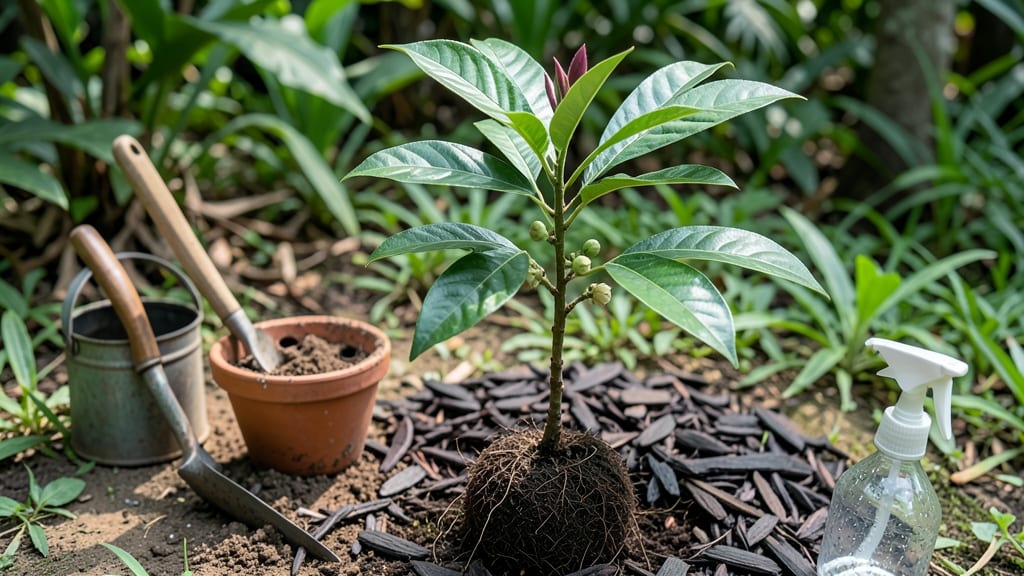
Growing a sugar apple seed in your garden means tropical fruit in your backyard—even if you’ve never grown a tree before. 🌱 The trick starts with those zero-twist pods: crack them open, plant the seeds, and within weeks, you’ll see the first signs of a plant that could one day bear sweet, custard-like fruit in your own soil.
You’ll need just a few simple supplies: a small pot, well-draining soil mix, and patience (this isn’t a fast crop!). Sugar apple seeds germinate best in warm, humid conditions, so a heat mat or sunny windowsill speeds things up.
Once sprouted, seedlings need bright, indirect light to avoid stretching into leggy shadows—something I learned the hard way after my first batch flopped.
By the time your seedling reaches 6 inches, it’s ready for the ground (or a large container). With consistent moisture and protection from frost, you’ll watch it grow into a lush, evergreen shrub.
The first flowers appear in 2-3 years, and if pollinated, those fragrant white blooms turn into fruit that tastes like a mix of pineapple and vanilla—worth every step.
Common challenges? Root rot from overwatering and slow growth in cool climates. The solution? Well-draining soil and a greenhouse or indoor start for colder zones. With these adjustments, you’ll be harvesting your own sugar apples in just a few seasons—no nursery plants required.
📚 In This Guide
- What you need
- Instructions
- Tips and common mistakes
- Wrapping up and next steps
What you need
- ● Sugar apple seeds (zero-twist pods): 5–10 seeds (or 1–2 pods if starting from fruit)
- ● Well-draining potting mix: 1–2 gallons (use a blend for tropical plants or add perlite for aeration)
- ● Small pots or seed trays: 3–4” diameter (biodegradable pots work great!)
- ● Grow lights or sunny windowsill: 6+ hours of indirect light daily (or a 12-hour grow light setup)
- ● Spray bottle: For gentle watering (avoid soaking seeds!)
- ● Humidity dome or plastic wrap: To retain moisture while germinating
- ○ Fertilizer (optional but helpful): Balanced liquid fertilizer (5-5-5 or similar) for seedlings
- ● Heating mat (70–80°F) for faster germination
- ● pH tester (ideal soil pH: 6.0–7.0)
- ● Compost or worm castings for nutrient boost
- ● Trellis or sturdy stakes (if growing vertically)
- ● Mulch (for outdoor transplants in warm climates)
Step-by-step instructions for growing sugar apple trees from seed
Here’s how I’ve learned to grow these tropical gems from seed—no fancy equipment needed.
🌱 Step 1: Extract and Soak the Seeds
Start by removing the seeds from the sugar apple’s zero-twist pods. The pods are fibrous, so I gently peel them back with my fingers until the seeds inside are exposed. Each pod contains 3-4 seeds, and you’ll need about 4 seeds per plant since germination rates vary.
Place the seeds in a bowl of lukewarm water and let them soak for 24-48 hours. This softens the outer coating and kickstarts germination. I like to stir them occasionally to ensure even hydration—you’ll see the water turn slightly cloudy, which means the seeds are absorbing moisture. After soaking, drain the water and let the seeds air-dry for 10 minutes before planting.
🪴 Step 2: Prepare Containers and Planting Medium
Use 4-inch diameter pots filled with a well-draining mix of 50% peat moss and 50% perlite. Sugar apple seeds need loose soil to prevent rot, and this blend mimics their tropical, airy native environment. Moisten the mix until it’s damp but not soggy—think of a wrung-out sponge.
Plant 2 seeds per pot, about ½ inch deep. I press them gently into the soil with my finger, then cover lightly with a thin layer of additional mix. Label each pot with the planting date, as sugar apples grow slowly at first. Place the pots in a warm, shaded spot (around 75-80°F) to encourage germination.
☀️ Step 3: Provide Warmth and Humidity for Germination
Sugar apple seeds thrive in warmth, so I cover the pots with plastic wrap to create a mini greenhouse effect. This traps humidity and keeps the soil consistently moist. Place the pots in a location with indirect light—direct sun can overheat the soil and dry out the seeds too quickly.
Check the soil daily and mist with water if it feels dry to the touch. Germination can take 3-6 weeks, so patience is key. Once the first true leaves appear (not the initial seed leaves), remove the plastic wrap immediately to prevent fungal growth. This is the moment you’ll see your first real progress—tiny, glossy leaves unfolding like little umbrellas.
🌿 Step 4: Transplant and Care for Young Seedlings
When seedlings reach 4-6 inches tall and have 4-5 true leaves, it’s time to transplant them into larger 1-gallon pots. Use the same peat-perlite mix to maintain drainage. Gently remove the seedlings from their original pots, being careful not to damage the roots. I like to water them lightly before transplanting to make the process smoother.
Place the pots in a spot with bright, indirect light and maintain 70-80°F temperatures. Sugar apples are tropical, so they won’t tolerate frost. If you’re in a cooler climate, keep them indoors near a south-facing window or under a grow light. Water when the top inch of soil feels dry, but avoid overwatering—soggy soil leads to root rot.
⏰ Step 5: Gradually Acclimate to Outdoor Conditions
After 6-8 weeks of indoor growth, your seedlings should be ready to move outdoors. Start by placing them in a sheltered, shaded spot for 2-3 hours daily, gradually increasing their time outside over 2 weeks. This process, called hardening off, helps them adjust to wind and sunlight without shock.
Once they’ve spent a full day outdoors without wilting, you can plant them in the ground or larger containers. Sugar apples need full sun to partial shade and well-draining soil. Mulch around the base to retain moisture and protect the roots. With consistent care, your seedlings will grow into lush trees in 3-5 years, eventually bearing those delicious, sweet fruits.
Tips & tricks for perfect sugar apple seed germination
These little-known strategies will help you coax those stubborn tropical seeds into thriving saplings—without the guesswork.
Seed Selection: Not all sugar apple seeds are created equal. Choose plump, firm seeds with smooth surfaces—these have the highest germination potential. I’ve found that seeds from fully ripe pods (when the skin turns a deep yellow-green) germinate most reliably. If you’re working with dried seeds, soak them in warm water for 24-48 hours to soften the tough outer coating, which is exactly what the instructions recommend—but don’t skip the 10-minute air-dry afterward. This step prevents mold while jumpstarting germination.
Soil Science: The peat moss and perlite mix in Step 2 is non-negotiable for sugar apples, but here’s the pro move: add a handful of orchid bark to the mix (optional but game-changing). This improves aeration and mimics the tree’s natural forest-floor habitat. When pressing seeds into the soil, aim for ½ inch deep—any deeper and they’ll struggle to break through. A gentle finger press works best; avoid compacting the soil around them.
Heat Hack: Sugar apples are tropical divas, so temperature control is everything. The instructions call for 75-80°F during germination, but I’ve had success using a seedling heat mat set to 80°F underneath the pots. This creates a more consistent warm environment than relying on room temperature alone. If your home runs cooler, place the pots on top of a refrigerator (not inside!) to add gentle warmth without overdoing it.
Lighting Strategy: Indirect light is crucial during germination, but many growers mistakenly place pots too close to windows. Instead, position them 12-18 inches away from an east-facing window for soft morning light. For faster growth after germination, supplement with a 12-hour grow light (optional but recommended). The key is avoiding direct sun, which can dry out the soil too quickly and stress the delicate sprouts.
Pro Tips for Sugar Apple Seed In Grow A Garden
- These little-known strategies will help you coax those stubborn tropical seeds into thriving saplings—without the guesswork.
- Seed Selection: Not all sugar apple seeds are created equal.
- Soil Science: The peat moss and perlite mix in Step 2 is non-negotiable for sugar apples, but here’s the pro move: add a handful of orchid bark to the mix (optional but game-changing).
Frequently asked questions
Got questions about growing sugar apples from seed? You’re not alone—this tropical fruit can be tricky! Here are answers to the most common queries to help you succeed.
How long does it take for sugar apple seeds to germinate?
Sugar apple seeds usually sprout within 2–4 weeks if kept warm (70–85°F) and moist. Use a seedling heat mat or place them near a sunny window. Patience is key—some stubborn seeds take up to 6 weeks. Keep the soil damp but not soggy to avoid mold.
When is the best time to plant sugar apple seeds indoors?
Start seeds indoors 12–16 weeks before your last frost (typically late winter or early spring). Sugar apples thrive in warm climates, so if you live in a cooler zone, give seedlings a head start. Use biodegradable pots to avoid transplant shock when moving them outdoors after danger of frost passes.
Can I grow a sugar apple tree from a store-bought fruit?
Yes! Save the seeds from a ripe sugar apple, clean them gently, and dry them for 1–2 days before planting. However, seed-grown trees may not produce fruit identical to the parent plant—they might take 5–10 years to bear fruit (if at all). For guaranteed results, buy grafted saplings from a tropical nursery.
Why aren’t my sugar apple seedlings growing? Troubleshooting tips.
Check these common issues:
No sprouts? Seeds may need scarification (lightly nick the hard shell) or warmer temps.
Leggy or weak seedlings? They’re likely not getting enough light—move them to a brighter spot or use grow lights.
Yellow leaves? Overwatering or poor drainage could be the culprit. Sugar apples hate soggy roots!
If pests like aphids or fungus appear, treat with neem oil or insecticidal soap.
What’s the best climate for growing sugar apples?
Sugar apple trees (Annona squamosa) love tropical or subtropical climates with warm, humid conditions. They thrive in USDA zones 10–11 but can be grown in containers and moved indoors in cooler months. In colder areas, grow them as annuals or in a greenhouse. They need full sun (6+ hours daily) and well-draining soil.
Wrapping up and next steps
Growing sugar apple trees from zero-twist pods is a rewarding journey that brings tropical beauty and delicious fruit to your garden! With the right soil, sunlight, and patience, you’ll soon enjoy lush foliage and fragrant blossoms. Start small—whether in pots or your backyard— and watch your garden thrive. 🌱
Ready to take the next step? Order your sugar apple seeds today and begin your gardening adventure—your future harvest (and happy neighbors!) will thank you. 🌿✨