
Lawn
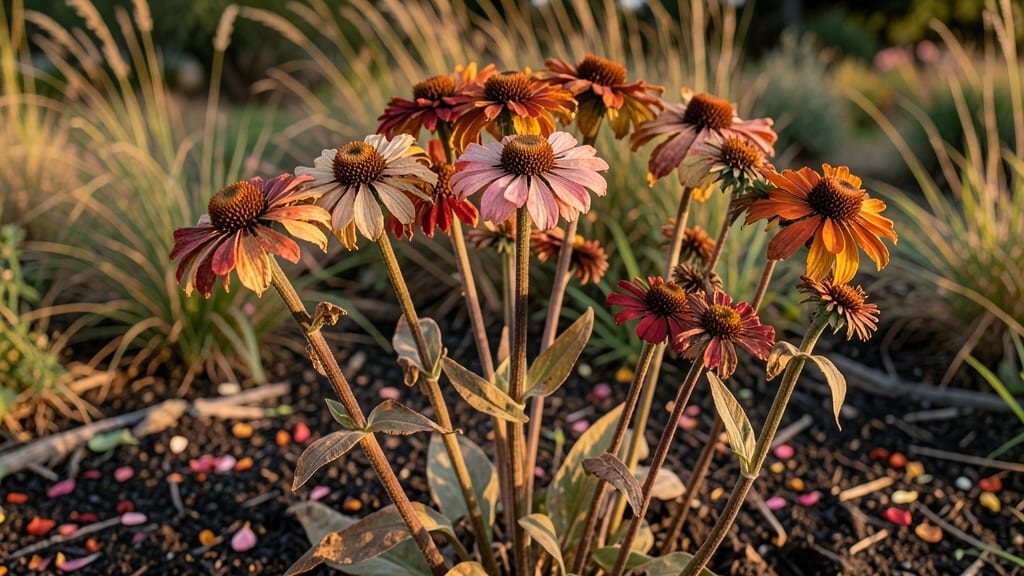
Saving zinnia seed heads is like banking sunshine for next summer—those papery blooms hold the promise of vibrant colors without a single seed packet. 🌻 I’ve turned my late-season zinnias into free plants for years by mastering the dry-and-store trick, and the best part?
You don’t need fancy tools, just patience and a dry spot.
Start by snipping the seed heads once they’ve turned completely brown and crispy—this usually happens 6-8 weeks after flowering. The dried centers should crumble easily between your fingers, revealing tiny seeds inside.
Collect them in a paper bag (plastic traps moisture) and let them dry for another week in a warm, dark place.
Stored properly in an airtight container in your fridge, these seeds stay viable for 2-3 years. Imagine plucking a seed from last year’s garden and watching it bloom again—it’s like gardening time travel. The dried heads also make stunning winter decor or filler for floral arrangements.
Pro tip: Label your containers with the variety name (like ‘Benary’s Giant’ or ‘Crystal’) so you remember which colors you’re growing next season. This method works for other annuals too—think marigolds or cosmos. Happy seed saving!
📚 In This Guide
- What you need
- Instructions
- Tips and common mistakes
- Wrapping up and next steps
What you need
- ● Mature zinnia seed heads: Harvest 10–20 heads (or more if you’re saving seeds for a large garden). Choose fully brown, papery seed heads—they’re ready!
- ● Paper bags (brown kraft or breathable): 1–2 bags (per 10 seed heads) to prevent moisture buildup.
- ● Scissors or pruning shears: Sharp, clean tools to snip stems without crushing the seed heads.
- ● Labeling tags or masking tape + marker: Label each bag with the zinnia variety and harvest date (e.g., "Profusion Red – 2024").
- ● Drying location: A cool, dry, well-ventilated spot (like a garage, shed, or basement) with no direct sunlight.
- ● Seed-saving envelope: For long-term storage (after seeds are fully dry).
- ● Desiccant packets: Place 1–2 in storage containers to absorb excess moisture.
- ● Glass jars with lids: Airtight containers for storing dried seeds (if not using paper bags).
- ● Hand lens or magnifying glass: For inspecting seeds before storage (check for pests or mold).
How to harvest, dry, and store zinnia seed heads
Preserving zinnia seed heads saves you money and ensures next year’s garden blooms with the same vibrant colors.
🌱 Step 1: Select and Harvest Mature Seed Heads
Wait until the blooms have fully faded and the seed heads turn a papery brown—this signals they’re ready for harvest. I like to pick them on a dry morning when dew has evaporated, as moisture can speed up spoilage. Use clean, sharp scissors or pruners to cut the entire seed head from the stem, leaving about 1 inch of stem attached. This extra stem makes handling easier and prevents seed loss during drying.
Harvest only the healthiest seed heads—avoid any that show signs of mold, pests, or disease. If you spot a few damaged ones, set them aside and discard them immediately. A single infected seed head can ruin an entire batch of stored seeds.
🌿 Step 2: Bundle and Dry the Seed Heads
Gather the harvested seed heads and tie them into small bundles with twine or rubber bands, leaving the cut ends exposed. Hang these bundles upside down in a dry, well-ventilated area—like a garage, shed, or even a sunny windowsill. The goal is to dry them slowly over 1-2 weeks, allowing the seeds to fully mature and the seed heads to crisp up.
Check the bundles every few days to ensure no moisture builds up. If you notice condensation or dampness, move the bundles to a drier spot immediately. Properly dried seed heads will feel light and brittle, almost like dried paper. Once they’re fully dry, the seeds will rattle inside when shaken.
✂️ Step 3: Extract and Clean the Seeds
Once the seed heads are completely dry, gently break them apart over a clean tray or large sheet of paper. The seeds will easily separate from the dried florets. I like to use my fingers to crumble the seed heads, but you can also place them in a paper bag and crush them gently—this makes seed collection much easier.
Remove any remaining chaff or debris by sifting the seeds through a fine mesh strainer or by winnowing them in a gentle breeze. Store the cleaned seeds in a labeled envelope or small glass jar. Labeling is critical—write the variety and the year harvested to avoid confusion later.
🪴 Step 4: Store Seeds Properly for Next Year
Place the dried seeds in an airtight container, such as a sealed jar or envelope, and store them in a cool, dark place like a pantry or refrigerator. Zinnia seeds remain viable for 2-3 years if stored correctly, though they’ll lose some vigor over time. I like to add a small packet of silica gel to the container to absorb any lingering moisture.
Check the seeds periodically for signs of mold or pests. If you notice any issues, transfer the seeds to a fresh container immediately. Proper storage ensures your zinnia seeds stay fresh and ready for planting when the next growing season arrives.
Tips & tricks for perfectly preserved zinnia seeds
Here's what nobody tells you about saving zinnia seeds—these little details make all the difference between viable seeds and wasted effort.
Harvest Timing: The papery brown color is your golden signal, but don't wait too long—once seeds start falling naturally, they're past their prime. I harvest on dry mornings because dew can accelerate spoilage, and I always cut with clean tools to prevent contamination. That 1-inch stem isn't just for looks—it keeps seeds from tumbling out during drying.
Drying Strategy: Those 1-2 weeks of drying might seem long, but rushing it creates brittle seeds that won't sprout. I hang bundles near a window with indirect sunlight—direct sun can overheat them. Check for dampness by giving them a gentle shake: properly dried seeds will rattle like tiny maracas. If they feel heavy or damp, extend your drying time.
Seed Extraction Hack: The paper bag trick works wonders for seed collection—just crush the dried heads gently inside, then shake over your tray. For stubborn seeds, I use a fork to gently pry them from the florets. And here's a pro move: place your tray on a baking sheet before crushing to catch any rogue seeds that might escape during the process.
Storage Wisdom: That 2-3 year viability window starts from the moment you harvest, so handle seeds gently during storage. I use glass jars with tight lids because they're less likely to develop condensation than plastic containers. The silica gel packet is my secret weapon against moisture—it keeps seeds crisp and ready for next season's planting.
Pro Tips for Zinnia Seed Heads
- Here's what nobody tells you about saving zinnia seeds—these little details make all the difference between viable seeds and wasted effort.
- Harvest Timing: The papery brown color is your golden signal, but don't wait too long—once seeds start falling naturally, they're past their prime.
- Drying Strategy: Those 1-2 weeks of drying might seem long, but rushing it creates brittle seeds that won't sprout.
Frequently asked questions
Got questions about preserving zinnia seed heads for next season?
You’re not alone! Here are some of the most common queries—and straightforward answers—to help you master the process.
When is the best time to harvest zinnia seed heads?
Harvest seed heads once they’ve turned brown and dried on the plant—usually late summer to early fall. Wait until the petals have fallen naturally, but don’t let them stay too long or they may scatter seeds prematurely. Aim for a crisp, papery texture for easy handling.
How long can I store dried zinnia seeds?
With proper drying and storage, zinnia seeds stay viable for 1–2 years. Store them in a cool, dark place (like a sealed envelope or jar) with a silica gel packet to absorb moisture. Label them with the variety and date for tracking!
What if my seed heads mold or get damp?
Mold or moisture means it’s time to re-dry your seeds! Spread them on a paper towel in a warm, dry spot (like a sunny windowsill) for 2–3 days. Once fully dry, transfer to an airtight container. If mold persists, discard them—safety first!
Can I save seeds from hybrid zinnias?
Not all hybrids will “true to type”—some may revert to wild traits or produce weaker blooms. Stick to heirloom or open-pollinated varieties (like ‘Benary’s Giant’ or ‘Profusion’) for reliable seeds. Check seed packets for “suitable for seed saving” labels!
What’s the easiest way to clean zinnia seeds?
Rub the dried seed heads between your palms or over a fine mesh screen to separate seeds from chaff. For stubborn debris, use a fan or hairdryer on low to blow away lightweight particles. A quick rinse in lukewarm water (if needed) helps remove dust—just let them dry again afterward!
Wrapping up and next steps
Zinnia seed heads are a gardener’s secret weapon—turning last year’s blooms into next year’s vibrant displays with minimal effort! By drying and storing them properly, you’ll enjoy fragrant, homegrown flowers for seasons to come. Now that you’re armed with the know-how, grab those seed heads and get preserving!
🌱 Your Next Step: Plant & Share
Ready to grow? Start with just a few seeds this spring, and soon you’ll be swapping extras with fellow gardeners. Happy planting—your future garden will thank you! 🌸