
Lawn
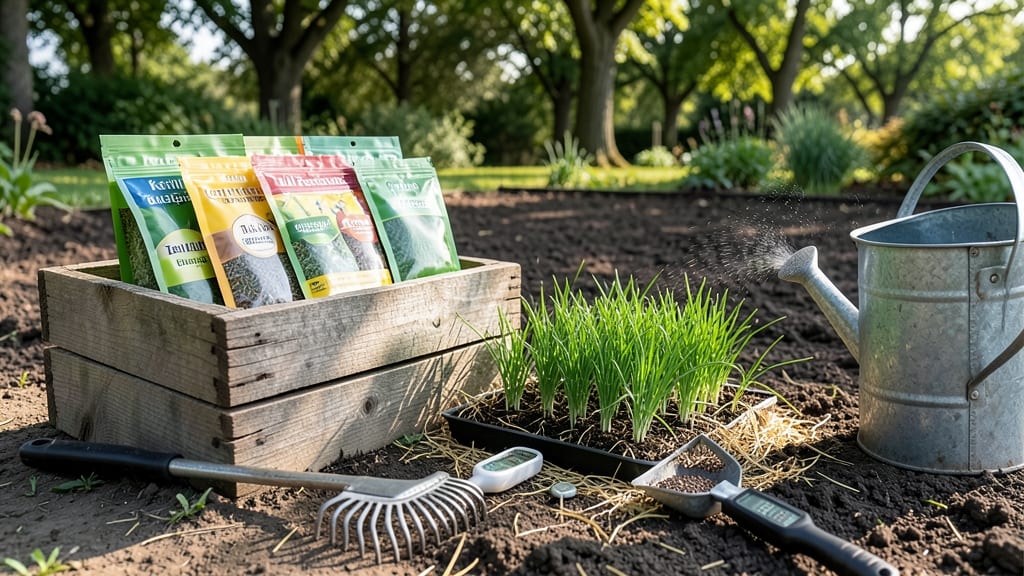
Fall seeding transforms your lawn from patchy to thick and lush—if you time it right. 🌱 The best time to seed grass in fall is 4-6 weeks before your first frost, when soil stays warm but air cools, giving seeds the perfect growing window.
In most of the U.S., that’s late August through early October, but Southern climates can stretch it to November. This season gives grass roots a strong head start before winter dormancy, while weeds are less aggressive. Cooler temps mean less water stress, and the soil stays moist longer—ideal for germination.
I’ve seen bare spots turn into dense green within 6-8 weeks when seeded at the right time, even in drought-prone areas. The key is prepping the soil first: loosen the top 2-3 inches, rake out debris, and add a thin layer of compost.
Then, spread seeds evenly and keep the area moist (not soggy) until sprouts appear. Avoid seeding too late—cold soil slows growth, and you’ll end up with weak, thin grass. Northern Hemisphere gardeners should aim for September, while Southerners can seed until early November. The goal?
A lawn so thick weeds can’t take hold—and that starts with the right timing.
📚 In This Guide
- What you need
- Instructions
- Tips and common mistakes
- Wrapping up and next steps
What you need
- ● Grass seed: Choose a high-quality, cool-season blend (e.g., Kentucky Bluegrass, Fescue, or Ryegrass). Quantity: 4–8 lbs per 1,000 sq ft (follow package instructions for your specific grass type).
- ● Lawn rake: A bow rake (for leveling) or garden rake (for aerating). Size: 18–24" width for medium lawns.
- ○ Aerator (manual or mechanical): Core aerators (rent or buy) with 1/2"–3/4" tines spaced 3–6" apart. Optional: Spike aerators for small areas.
- ● Topsoil or compost: 1/4"–1/2" layer of screened topsoil or compost to improve seed-to-soil contact. Quantity: ~10 sq ft per 1 lb.
- ● Starter fertilizer: Low-nitrogen (5–10–10 or 6–24–12 ratio) to encourage root growth. Application rate: Follow label (typically 1 lb per 100 sq ft).
- ● Water source & sprinkler: A gentle rain nozzle or soaker hose for consistent moisture. Pro tip: Aim for 1/4" of water daily (morning is best!).
- ● Seed spreader: Broadcast spreader (for large areas) or hand-crank spreader (for precision).
- ● Soil test kit: Check pH (ideal: 6.0–7.0) and adjust with lime or sulfur if needed.
- ● Straw or netting: Lightweight straw mulch (1/4" layer) to retain moisture and protect seeds from birds.
- ● Pre-emergent herbicide: Apply 4–6 weeks before seeding to prevent weeds (choose a grass-safe option).
- ● Knee pads or gloves: Because crawling in dirt is not glamorous (but totally worth it!).
Step-by-step guide to timing fall grass seed for a perfect lawn
Here's the exact timing and method I swear by for fall seeding success—no guesswork, just thick, green grass.
🌱 Step 1: Pinpoint Your Local Frost Dates
Check your average first frost date (usually late October to early December in most climates). Seed grass 4-6 weeks before the first hard frost—this gives seedlings time to establish roots before winter slows growth. I always mark my calendar for mid-September to early October in my zone, but your timing may vary by 1-2 weeks depending on location.
This window ensures cool soil temps (60-75°F) and consistent moisture, which grass loves. If you seed too early, summer heat will stress seedlings before they root. Too late, and winter dormancy arrives before the grass can take hold.
☀️ Step 2: Choose the Right Grass Type for Your Climate
Cool-season grasses (like Kentucky bluegrass, fescue, or ryegrass) thrive when seeded in fall. Warm-season grasses (Bermuda, Zoysia) should wait for spring. I always check my local extension office's recommendations—they know which varieties perform best in your area.
For best results, use a high-quality seed mix (not cheap filler). Look for a blend with at least 70% pure grass seed and no more than 10% weeds or inert matter. Spread 5-8 pounds per 1,000 sq ft for new lawns, and 3-5 pounds for overseeding.
💧 Step 3: Prepare the Soil Before Seeding
Rake the soil to a depth of ¼ inch, removing debris and smoothing rough areas. Loosen compacted soil with a garden fork or aerator—grass roots need air and water to penetrate. If your soil tests low in nutrients, apply a slow-release starter fertilizer (high in phosphorus) 2-3 days before seeding.
Don’t skip this step! Grass seed needs direct contact with soil to germinate. If you see bare spots after raking, sprinkle a thin layer of compost to improve soil texture. Wait until the soil feels cool to the touch (not hot from summer) before seeding.
⏰ Step 4: Seed and Maintain Moisture Daily
Spread seed evenly using a broadcast spreader or by hand (I like to walk in a crisscross pattern for even coverage). Lightly rake again to press seed into soil—just enough to cover it ¼ inch deep. Water immediately after seeding to help seed settle.
Keep the soil consistently moist (not soggy) for the first 2-3 weeks. Water lightly every morning—just enough to dampen the top ½ inch of soil. You’ll know you’re doing it right when the soil looks dark and damp but doesn’t puddle. Overwatering can wash away seed or cause rot.
🌿 Step 5: Watch for Germination and Adjust Care
Grass typically germinates in 7-21 days, depending on temperature and moisture. You’ll see tiny green blades first near the soil surface—this is your signal to reduce watering slightly (to every other day) but keep the area moist. Once seedlings reach 2-3 inches tall, switch to deeper watering (½ inch per week).
Resist the urge to mow until grass reaches 3-4 inches tall. At this stage, set your mower to 3 inches high and never remove more than ⅓ of the blade height at once. This builds root strength for winter survival.
Tips & tricks for perfect fall grass seeding
Here’s how to nail the ideal timing and avoid common pitfalls for a lawn that’ll make your neighbors jealous.
Timing is Everything: That 4-6 week window before frost is non-negotiable. I’ve seen lawns fail when seeded too early because summer heat stresses seedlings before roots establish. Too late, and winter dormancy arrives before grass gets a chance to grow. Check your local frost dates and count backward—this is your golden window. For my zone, mid-September to early October works perfectly, but adjust based on your location.
Soil Temperature Check: Grass loves cool soil temps between 60-75°F. Stick your finger about an inch into the ground—if it feels warm to the touch, wait a few days. I’ve learned this the hard way after planting too early in still-warm soil, which leads to weak, leggy grass. A soil thermometer is a small investment that pays off big time.
Watering Wisdom: Those first 2-3 weeks are critical for moisture. I set a timer for morning watering—just enough to dampen the top ½ inch of soil. Overwatering can wash away seed or cause rot, while underwatering stresses seedlings. Think of it like a spa day for your grass—consistent, gentle hydration is key. A sprinkler with a rain gauge helps keep track.
Germination Signals: When you spot those first tiny green blades (usually 7-21 days after seeding), it’s time to adjust your care routine. Reduce watering to every other day but keep the soil moist—this prevents disease and encourages strong root growth. I always mark my calendar when I see the first sprouts to stay on track.
Pro Tips for Best Time To Seed Grass In Fall
- Here’s how to nail the ideal timing and avoid common pitfalls for a lawn that’ll make your neighbors jealous.
- Timing is Everything: That 4-6 week window before frost is non-negotiable.
- Soil Temperature Check: Grass loves cool soil temps between 60-75°F.
Frequently asked questions
Got questions about seeding grass in the fall? You’re in the right place! Here are some of the most common concerns—plus straightforward answers to help you plan like a pro.
What’s the exact window for fall grass seeding?
The best time depends on your region, but generally, aim for 4–6 weeks before the first hard frost (usually late August to early October in most of the U.S.). Cool-season grasses thrive in this window because warm soil and cool air encourage strong root growth before winter. Check your local frost dates for precision!
Can I still seed grass if frost hits early?
If frost arrives sooner than expected, don’t panic! You can still seed, but cover seeds with straw to protect them from cold snaps. Just avoid seeding if temperatures drop below 40°F (4°C)—roots won’t establish properly. Spring seeding is a backup plan, but fall is ideal for long-term success.
Is fall seeding cheaper than spring?
Yes—fall seeding is often more budget-friendly! Fewer weeds compete with grass, and you’ll spend less on watering (cooler temps mean less evaporation). Plus, established fall lawns outperform spring-seeded ones by 30–50% in the first year. Win-win for your wallet and lawn!
What if my lawn already has weeds? Should I seed anyway?
Fall is the perfect time to tackle weeds before seeding. Start with a pre-emergent herbicide (like corn gluten meal) 2–3 weeks before seeding, then overseed. For stubborn weeds, spot-treat with vinegar or a natural herbicide post-seeding. Patience pays off—your grass will crowd out weeds over time.
How do I know if my soil is ready for seeding?
Test your soil’s pH (6.0–7.0 is ideal) and nutrients (add compost or fertilizer if needed). Warm soil (at least 60°F/15°C) and consistent moisture are key. If your soil feels dry or compacted, aerate 1–2 weeks before seeding to give roots room to breathe.
Wrapping up and next steps
Fall is the perfect time to seed grass for a vibrant, resilient lawn—just don’t wait too long! 🌱 Aim for late summer to early fall (around September to early October in most regions) when soil is warm, weeds are waning, and rain is plentiful.
With the right prep, seeds, and care, you’ll be rewarded with a lush, green carpet by spring.
Ready to take the next step? Grab your tools, mark your calendar, and transform your lawn into the envy of the neighborhood. Your future self (and your lawn) will thank you! 🌿