
Lawn
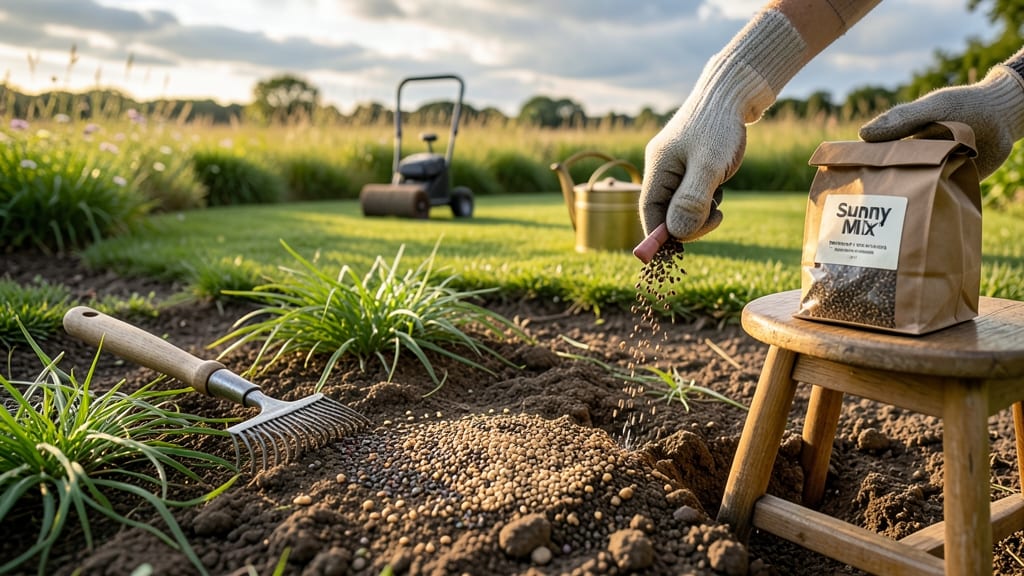
A fast-germinating sunny mix grass seed can transform your patchy yard into a vibrant lawn in just 2-3 weeks—if you follow the right steps.
I’ve seen bare spots turn into lush green carpets after one season, and the secret isn’t just the seed blend but how you prep the soil and water afterward.
The key is patience paired with the right technique, and I’ll walk you through every detail to avoid the common pitfalls that kill germination.
You’ll need a sunny spot (at least 6 hours of direct light daily), a rake, a spreader, and a light layer of topsoil to give those seeds the best start.
Most sunny mixes work best in warm seasons, but early spring or fall planting gives you an edge over summer heat stress. The right soil prep—removing debris and loosening compacted areas—makes all the difference between a sparse lawn and one so thick weeds struggle to take hold.
Once planted, consistent watering (not drowning) keeps seeds moist but not soggy—think light daily misting until sprouts appear, then gradual tapering. Within 10-14 days, you’ll see those first green blades push through, and by week 3, your lawn will look like a pro’s work.
The real magic happens when you mow high (3-4 inches) to shade out weeds and encourage deep roots.
This method works for new lawns, patch repairs, or overseeding—no matter your starting point. Just remember: the faster the germination, the sooner you’ll be enjoying that fresh-cut grass smell. Let’s get your lawn growing stronger than ever.
📚 In This Guide
- What you need
- Instructions
- Tips and common mistakes
- Wrapping up and next steps
What you need
- ● Grass Seed Sunny Mix: 5–20 lbs (depending on lawn size; ~10 lbs covers ~500 sq. ft.). Opt for a fast-germinating blend like Sunny Mix for quick results!
- ● Lawn Rake: A sturdy bow rake (12–18 inches wide) to loosen soil and remove debris.
- ● Broadcast Spreader: A handheld or tow-behind spreader for even seed distribution (or a drop spreader for precision).
- ● Garden Hose with Nozzle: For pre-watering and post-seeding hydration.
- ○ Lawn Roller (Optional but Helpful): A lightweight 10–20 lb roller to press seed into soil (great for larger areas).
- ○ Soil Amendment (Optional but Recommended): Compost or Topsoil: 1–2 inches spread over bare patches for nutrients.
- ● Starter Fertilizer: A low-nitrogen, phosphorus-rich fertilizer (5-10-10 ratio) to boost root growth.
- ● Test Soil pH: Aim for a neutral pH (6.0–7.0)—use a soil test kit or send a sample to your local extension office.
- ● Clear Debris: Remove rocks, weeds, and thatch from the area before seeding.
- ● Mow Existing Grass (If Overseeding): Set your mower to its lowest setting (1–1.5 inches) to encourage new seed growth.
- ● Check Weather Forecast: Plan for a 5–7 day stretch of consistent moisture (rain or watering) post-seeding.
Step-by-Step instructions for planting a fast-germinating sunny Mix lawn
Here's how to get your lawn growing thick and green in record time with the right prep and planting.
Prepare the Soil for Optimal Seed Contact
Start by mowing your existing lawn as short as possible—this creates a clean surface for the new seed to make direct contact with the soil. Remove all debris, rocks, and thatch using a rake, aiming for a smooth, level surface. The key here is exposing bare soil; even small patches of grass can block sunlight and prevent germination.
Loosen the top 1/4 inch of soil with a garden rake or aerator. This isn't about deep tilling—just breaking up the crust so seeds can settle into slightly disturbed soil. If your soil is compacted, rent a core aerator for 1/2 inch deep holes spaced about 3 inches apart. You'll see the difference immediately when seeds nestle into these pockets instead of sitting on top.
Spread Seed Evenly for Uniform Germination
Divide your sunny mix grass seed into two equal portions. Walk in one direction while spreading the first half, then turn 90 degrees and spread the second half. This cross-pattern ensures even coverage without missing spots. For a 4,000 square foot lawn, you'll want about 10-12 pounds of seed—follow the package rate for your specific mix.
Don't worry if it looks uneven at first. Lightly rake the area with a leaf rake to press seeds into the soil, just enough so they're covered but not buried. You'll see tiny seeds peeking through the surface—that's your signal it's done right. This light covering protects seeds from drying out while still allowing sunlight to reach them.
Water Immediately and Maintain Consistent Moisture
Grab your hose with a gentle spray nozzle and water the seeded area until the soil is thoroughly moistened to a depth of 1/2 inch. You'll know it's right when water runs off the surface but doesn't pool. Watering lightly just wets the top layer—you need moisture to reach where the seeds are settled. Do this twice daily for the first week, keeping the soil damp but never soggy.
After the first week, reduce to once daily, watering deeply enough that the top 1 inch of soil stays consistently moist. You'll see the first sprouts appear in 7-14 days—these will be tiny, delicate blades that look more like grass fuzz than lawn. This is where most people make the mistake of overwatering; too much water can wash away seeds or cause them to rot before sprouting.
Protect New Growth and Encourage Thickening
Once you see 2-3 inches of consistent growth (about 3-4 weeks after planting), it's time to mow for the first time. Set your mower to 3 inches high—never cut more than 1/3 of the blade height at once. This prevents scalping and helps strengthen root systems. You'll notice the lawn looks a bit uneven at first, but this is normal as the blades adjust to their new height.
After the first mowing, maintain your lawn at 2.5-3.5 inches throughout the growing season. This height range helps shade out weeds and encourages deep root growth. Water deeply 1-2 times per week (about 1 inch total) rather than daily light watering. You'll know your lawn is thriving when it springs back quickly after mowing and has a vibrant green color without yellow patches.
Tips & tricks for perfect sunny Mix lawn planting
Here's what nobody tells you about getting that fast, lush lawn—tricks I've learned after seeing too many seedings fail.
Soil Prep Secret: In Step 1, don't just rake—use a stiff broom to sweep away any remaining dust after loosening the soil. This prevents clumping that can block seed-to-soil contact. I've seen seeds sit on top of compacted dust for weeks without germinating because of this overlooked step. For clay-heavy soils, work in a thin layer of compost during this stage to improve drainage without burying seeds.
Seed Distribution Hack: When dividing your seed in Step 2, use a simple trick: mark four corners of your lawn with stakes, then measure diagonally across each section. This helps you visualize the cross-pattern spread more accurately than walking by eye alone. For larger areas, consider using a broadcast spreader—just be sure to calibrate it properly to match your package's recommended rate.
Watering Wisdom: The twice-daily watering in Step 3 is critical, but timing matters just as much. Always water in the early morning (between 4-8 AM) to allow the soil to dry slightly during the day, preventing fungal growth. In hot climates, you might need a third light watering in late afternoon, but never let the soil dry out completely between waterings during germination.
First Mowing Caution: That 3-inch height in Step 4 is non-negotiable for your first cut, but here's the part nobody emphasizes: wait until you can see at least 50% of the lawn has reached that height before mowing. Patchy mowing can create uneven growth patterns that persist for seasons. I've seen lawns where homeowners mowed too soon, creating thin spots that never fully recovered.
Pro Tips for Grass Seed Sunny Mix
- Here's what nobody tells you about getting that fast, lush lawn—tricks I've learned after seeing too many seedings fail.
- Soil Prep Secret: In Step 1, don't just rake—use a stiff broom to sweep away any remaining dust after loosening the soil.
- Seed Distribution Hack: When dividing your seed in Step 2, use a simple trick: mark four corners of your lawn with stakes, then measure diagonally across each section.
Frequently asked questions
about grass seed Sunny Mix—here’s what you need to know before planting!What’s the best time to plant grass seed Sunny Mix?
For fast germination and strong roots, plant in early spring or fall when soil temps are 50–75°F. Avoid summer heat or winter frost—these extremes can slow growth or kill seedlings. If you must plant in summer, water deeply twice daily to protect young grass.
How long does it take for Sunny Mix to germinate?
Sunny Mix typically sprouts in 7–14 days under ideal conditions (moist soil, sun, and temps between 60–75°F). Patience is key! Keep soil consistently moist (not soggy) until you see 1–2 inches of green blades. Cool weather may extend germination to 3–4 weeks.
Can I overseed my existing lawn with Sunny Mix?
Yes! Sunny Mix is great for overseeding thin or patchy lawns. Mow your lawn short (1–1.5 inches), rake to remove debris, and spread seed evenly. Lightly top-dress with compost for better contact with soil. Water gently to avoid washing seeds away—aim for ¼ inch of water daily for the first 2 weeks.
What’s the difference between Sunny Mix and other grass seed blends?
Sunny Mix is a fast-germinating, sun-loving blend of tall fescue, perennial ryegrass, and Kentucky bluegrass, designed for quick coverage (often visible in <7–10 days). Unlike shade blends, it thrives in full sun and handles foot traffic better than cool-season grasses alone. Check labels—some "sunny" mixes include warm-season grasses (like Bermuda), which Sunny Mix avoids.
Why are my Sunny Mix seeds not growing? Troubleshooting tips
If your seeds aren’t sprouting, check these common issues:
- Dry soil: Water daily (keep top 1–2 inches moist). Use a spray nozzle for gentle coverage.
- Too much shade: Sunny Mix needs at least 6 hours of sun daily. Thin nearby trees or relocate if needed.
- Compaction: Loosen soil with a rake or aerator to help roots penetrate.
- Old seed: Sunny Mix loses viability after <1–2 years. Store unused seed in a cool, dry place.
- Weeds/pests: Pre-emergent herbicides can block growth. Wait until seeds sprout before treating.
Still stuck? Test a small patch—if it fails, your soil may need amendments (like compost) before replanting.
Wrapping up and next steps
Transforming your lawn into a vibrant, sun-kissed oasis is easier than ever with Grass Seed Sunny Mix—a fast-germinating blend designed for quick results and lasting beauty! 🌱 Whether you're patching bare spots or reviving an entire yard, this mix delivers the perfect balance of durability and speed, ensuring a lush, green finish in no time.
Ready to take the next step? Start by prepping your soil (as outlined in our guide), then scatter those seeds with confidence. Before you know it, you’ll be enjoying a lawn so stunning, it’ll be the envy of the neighborhood—and that’s a promise!