
Lawn
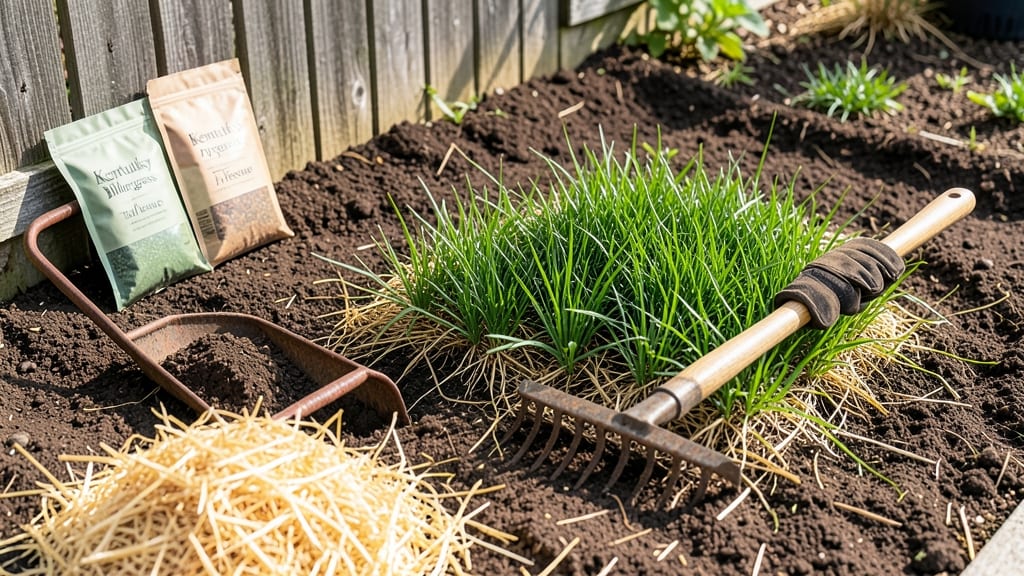
That grass seed mulch layer is what turns patchy lawns into thick, green carpets—without wasting water or battling weeds. 🌱 I learned the hard way when my first seeding project sprouted unevenly because I skipped this step.
The right mulch keeps seeds moist, blocks weeds, and protects tender sprouts from wind and birds. You’ll need straw or peat moss (never wood chips or dyed mulch), a rake, and about ¼ inch spread evenly over seeds. Apply it right after seeding and water gently to settle it in.
This simple layer works year-round, even in drought-prone areas, and cuts watering needs by 30-50%. By week 3, you’ll see uniform germination where mulch was applied—no bare spots, no wasted seeds. The grass grows stronger too, resisting drought and foot traffic better than unmulched areas.
It’s the secret to that neighbor-jealousy lawn everyone dreams of. Works for cool-season grasses (like fescue) in fall and warm-season (like Bermuda) in spring. Just adjust timing to match your climate zone. Let’s get that seed protected!
📚 In This Guide
- What you need
- Instructions
- Tips and common mistakes
- Wrapping up and next steps
What you need
- ● Grass seed mulch: Choose a high-quality, pre-mixed blend (e.g., 50% straw + 50% grass seed by volume) or separate straw mulch (10–15 lbs per 1,000 sq ft) and grass seed (5–10 lbs per 1,000 sq ft, depending on seed type).
- ● Lawn soil: Healthy, well-draining topsoil (test pH; aim for 6.0–7.0 for optimal growth).
- ● Water: Access to a hose or sprinkler system (consistent moisture is key!).
- ● Rake: A bow rake (for leveling soil) and a hand rake (for spreading mulch).
- ○ Broadcast spreader: Optional but helpful for even distribution of mulch/seed.
- ● Garden hose with adjustable nozzle: For gentle watering (avoid high pressure).
- ● Gloves & knee pads: Because comfort matters when you’re on your hands and knees!
- ● Soil amendment: Compost or peat moss (1–2 inches mixed into topsoil for nutrients).
- ● Lawn fertilizer: Slow-release, mulch-safe fertilizer (apply before seeding).
- ● Weed barrier fabric: If your lawn has persistent weeds, lay down landscape fabric first.
- ● Shade cloth: For newly seeded areas in hot climates (30–50% shade to retain moisture).
Step-by-step guide to applying grass seed mulch for year-round soil protection
Here's how to create a protective layer that keeps your lawn healthy between seasons and prevents erosion.
🌱 Step 1: Prepare the Soil Surface
Start by mowing your lawn as short as possible—about ½ inch—to create an even surface for the mulch. Remove any debris, rocks, or weeds using a rake or leaf blower, focusing on areas where soil is exposed. This ensures the mulch will make direct contact with the earth and work effectively.
Lightly aerate compacted areas with a garden fork or a manual aerator to improve water and air penetration. You'll know you've done enough when the tines slide in easily and the soil looks fluffy. This step is especially important if your lawn has heavy foot traffic or clay soil that compacts easily.
💧 Step 2: Apply the Grass Seed Mulch
Spread the mulch evenly across the prepared area using a broadcast spreader or by hand with a rake. Aim for a layer that's about ¼ to ½ inch thick—thicker layers can suffocate the soil and prevent seeds from germinating properly later. For best results, apply it on a cloudy day or in the late afternoon to avoid the mulch drying out too quickly.
Work in small sections to ensure even coverage. Pay extra attention to edges, slopes, and areas prone to erosion, where the mulch will provide the most protection. You'll see the mulch blend naturally with the soil, creating a uniform appearance that looks like a light dusting of organic material.
☀️ Step 3: Water and Monitor for Germination
Water the mulched area immediately after application to help it settle into the soil. Use a gentle sprinkler or hose to avoid displacing the mulch. Keep the soil consistently moist—about 1 inch of water per week—until new grass begins to grow. Mulch helps retain moisture, but it won't replace regular watering during dry spells.
In about 7-14 days, you should see the first signs of new grass sprouting through the mulch. This is your cue that the mulch is working—it’s protecting the soil while allowing seeds to establish. If you notice bare spots after a few weeks, lightly rake the area and reseed to encourage even growth.
✂️ Step 4: Maintain and Refresh as Needed
Once the new grass reaches about 3 inches tall, mow it back to 2-3 inches to encourage a dense root system. Over time, the mulch will break down naturally, so plan to reapply it every 3-6 months or after major disturbances like heavy rain or foot traffic. This keeps the soil protected year-round without smothering the lawn.
In the fall, consider adding a thin layer of mulch before the first frost to shield the soil during winter. This prevents erosion from melting snow and helps maintain a healthy lawn come spring. You'll notice your lawn stays greener longer and recovers faster from seasonal changes.
Tips & tricks for perfect grass seed mulch application
Between us, these little details make all the difference when you're working with grass seed mulch—trust me, I've seen the results when people skip them.
Precision in Step 1: When you're mowing that lawn down to ½ inch, don't rush it. I've seen people leave patches too long, and those spots won't get proper mulch coverage. Use a string line to check height consistency across the yard. For clay soil or heavily compacted areas, take that aeration step seriously—press the garden fork tines in until you see soil fluff up around them. This isn't just about looks; it's about letting water and air reach those roots where they need to go.
Layer Control in Step 2: That ¼ to ½ inch thickness is non-negotiable for proper seed germination. I learned this the hard way by applying too much in one spot—it actually smothered the seeds underneath. Use a straight-edged board as a guide when spreading by hand, and work in overlapping passes to avoid thin spots. For slopes or erosion-prone areas, consider using a push broom to gently press the mulch into the soil after spreading, which helps it stay put during watering.
Watering Wisdom in Step 3: The 1 inch per week guideline is your baseline, but timing matters just as much. Water immediately after applying mulch to help it settle, then follow up with light watering every morning for the first 7-14 days. This keeps the mulch from drying out too quickly while preventing it from washing away. I've seen people water heavily all at once, and it creates pools that displace the mulch—like trying to hold a blanket down in a windstorm.
Maintenance Mindset: That 3-6 month reapplication window gives you flexibility, but don't wait until you see bare patches. I recommend setting calendar reminders every 4 months to check your mulch coverage. In fall, that thin layer before frost is your secret weapon—it's like putting a blanket on your lawn to protect it through winter. You'll notice the difference come spring when your lawn greens up faster than neighbors who skipped this step.
Pro Tips for Grass Seed Mulch
- Between us, these little details make all the difference when you're working with grass seed mulch—trust me, I've see...
- Precision in Step 1: When you're mowing that lawn down to ½ inch, don't rush it. I've seen people leave patches too l...
- Layer Control in Step 2: That ¼ to ½ inch thickness is non-negotiable for proper seed germination. I learned this the...
Frequently asked questions
Got questions about grass seed mulch?
You’re not alone! Here are the most common concerns—plus straightforward answers to help you protect your lawn like a pro.
What’s the best time to apply grass seed mulch?
Apply mulch right after seeding—within 24–48 hours—to lock in moisture and shield seeds from wind or birds. For cool-season grasses (like fescue or ryegrass), aim for early fall or late spring. Warm-season grasses (like Bermuda or Zoysia) thrive with mulch in late spring or early summer. Pro tip: Avoid mulching before rain to prevent clumping!
Can I use straw, hay, or even leaves as mulch?
Straw (especially clean, weed-free straw) is the gold standard for grass seed mulch—it breaks down slowly and won’t smother seeds. Hay can work but may contain weed seeds. Leaves? Only shredded, thin layers (¼ inch or less) to avoid suffocating seedlings. Avoid thick piles, which trap heat and moisture, inviting mold.
What if my mulch smells bad or molds?
A slight earthy smell is normal, but rotten or musty odors mean excess moisture or poor-quality mulch. Remove the top layer, fluff the remaining mulch, and let it dry. If mold appears (fuzzy spots), rake it off and reapply a thin layer of fresh straw. Prevent it: Use mulch no deeper than ¼ inch and water lightly in the morning.
How long should I keep mulch on new grass?
Leave mulch in place until seedlings are 2–3 inches tall and established (usually 4–6 weeks). After that, gently rake it into the soil or remove it to avoid smothering roots. For overseeding, you can reapply mulch as needed—just monitor soil moisture to avoid compaction.
Is grass seed mulch worth the cost?
Mulch boosts germination rates by 30–50% and cuts watering needs by up to 50%. While straw costs $3–$8 per bale, the long-term savings on reseeding, water, and labor make it a smart investment. Budget hack: Buy in bulk or reuse mulch from fall leaf cleanup (if weed-free) for overseeding.
Wrapping up and next steps
Using grass seed mulch is a game-changer for maintaining a vibrant lawn year-round while protecting your soil from erosion and harsh weather.
Whether you're a seasoned gardener or just starting, this simple yet effective technique ensures healthier grass growth with minimal effort. Your next step? Grab your materials, follow the steps, and watch your lawn transform into a lush, resilient masterpiece! 🌱✨
- Start small: Try mulching a small section first to perfect your technique.
- Stay consistent: Regularly check and refresh the mulch as needed.
- Experiment: Mix different mulch types to see what works best for your lawn.