
Planting
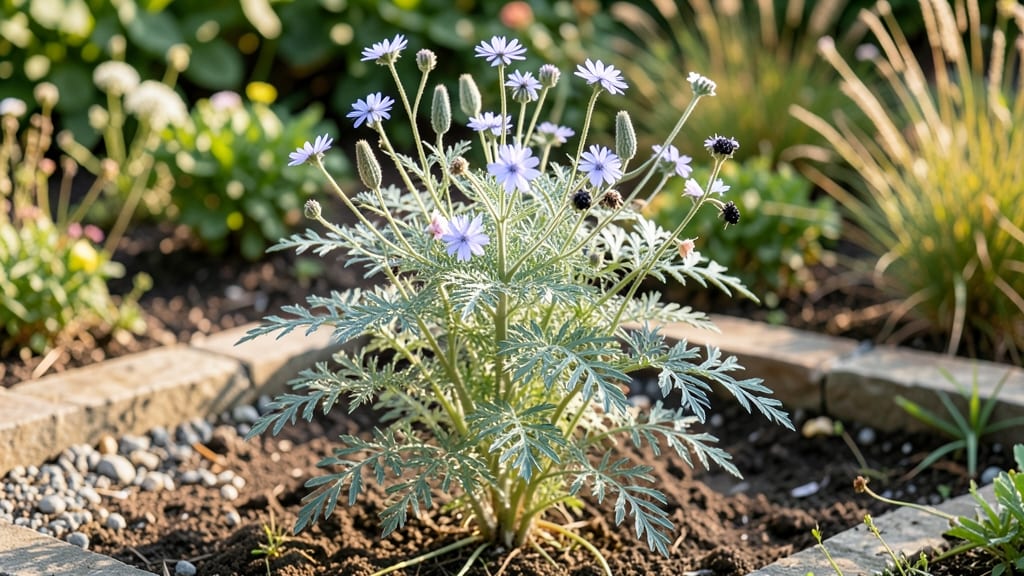
Growing the black cumin seed plant (Nigella sativa) from scratch unlocks their legendary healing properties right in your garden. 🌱 I’ve learned that these tiny seeds need specific care to thrive—starting with soil that drains like a desert but holds moisture like a sponge.
The key? A sunny spot, patience, and avoiding overwatering, which is where most gardeners stumble.
These seeds prefer well-draining soil mixed with compost, planted just ¼ inch deep in spring or fall. They love full sun (6+ hours daily) and dry conditions once established, mimicking their native Mediterranean habitat. A light sprinkle of water every 7-10 days keeps them happy without drowning their delicate roots.
By mid-summer, you’ll see those familiar lacy flowers and seed pods—packed with the same seeds used for centuries in traditional medicine. The plants stay compact (12-18 inches tall), making them perfect for borders or small gardens. Just watch for aphids, which occasionally target the young shoots.
For best results, harvest seeds when pods turn brown but before they split. Store them in a cool, dark place to preserve their potency. Whether you’re growing for culinary or medicinal use, black cumin’s bold flavor and benefits are worth the effort.
📚 In This Guide
- What you need
- Instructions
- Tips and common mistakes
- Wrapping up and next steps
What you need
- ● Black cumin seeds (Nigella sativa) – Purchase organic, untreated seeds (1–2 oz for a small garden, 4+ oz for larger batches). Look for high-quality seeds from reputable suppliers.
- ○ Seed-starting trays or biodegradable pots – 2–4 inch pots (6–12 units) with drainage holes. Optional: Use peat pellets or coconut coir for eco-friendly starts.
- ● Well-draining potting mix – A blend of 50% coco coir, 30% perlite/vermiculite, and 20% compost. Avoid heavy clay soil.
- ● Grow lights or sunny windowsill – A full-spectrum LED grow light (12–16 hours/day) or a south-facing window (6+ hours of direct sunlight).
- ● Misting spray bottle – For gentle hydration during germination.
- ● Small hand trowel – For transplanting seedlings.
- ● Garden bed or large containers – Minimum 6-inch depth with well-draining soil. Mix in compost (1 part compost to 3 parts soil).
- ● Mulch (straw or shredded leaves) – To retain moisture and suppress weeds.
- ○ Fertilizer (optional) – A low-nitrogen, balanced organic fertilizer (e.g., fish emulsion or worm castings) for established plants.
- ● 🌡️ Temperature control: Black cumin thrives in 60–75°F (15–24°C). Use a heat mat (70–80°F) if your space is cooler.
- ● ✨ Lighting hack: If using grow lights, position them 2–3 inches above seedlings to prevent legginess.
- ● 💧 Watering wisdom: Keep soil consistently moist (not soggy) during germination. Reduce watering once seedlings sprout.
Step-by-step guide to germinating black cumin seeds
Here’s how I get these potent seeds sprouting reliably—no guesswork, just proven methods.
🌱 Step 1: Soak Seeds Overnight for Faster Germination
Black cumin seeds have tough outer shells that slow germination. Place 4 seeds in a small bowl and cover them with lukewarm water for 12 hours. This softens the seed coat and speeds up sprouting. I like to use a fine-mesh strainer to keep them contained while soaking.
After soaking, drain the water completely—you don’t want soggy seeds. Pat them dry gently with a paper towel. The seeds should feel slightly damp but not wet. This step is critical because dry seeds can take 3-4 weeks to germinate, while soaked seeds usually sprout in 5-7 days.
🪴 Step 2: Prepare Containers and Soil Mix
Use small pots (3-4 inches deep) with drainage holes to prevent root rot. Fill each with a light, well-draining mix—I blend equal parts potting soil and perlite for aeration. Moisten the mix lightly until it’s damp but not waterlogged. Press it down gently to create a firm base for the seeds.
Plant the soaked seeds ¼ inch deep in the soil. I place 1-2 seeds per pot to avoid overcrowding. Space them 1 inch apart if sowing multiple seeds in a larger container. Cover them lightly with a thin layer of soil—just enough to hide them completely. Black cumin seeds need darkness to germinate, so don’t bury them too deeply.
💧 Step 3: Maintain Warmth and Moisture
Place the pots in a warm location (70-75°F)—a sunny windowsill or a seedling heat mat works best. Keep the soil consistently moist but never soggy. I use a spray bottle to mist the soil lightly every 2-3 days, checking the top inch of soil to ensure it’s damp. Overwatering can cause damping-off, a fungal disease that kills seedlings.
Cover the pots loosely with plastic wrap or a humidity dome to retain warmth and moisture. Remove the cover once you see the first signs of sprouting, usually within 5-7 days. Watch for tiny green shoots pushing through the soil—this is your cue to adjust care. If the soil dries out too quickly, move the pots to a shadier spot to slow evaporation.
☀️ Step 4: Provide Light and Gradually Harden Off
Once seedlings emerge, move them to a bright location with indirect light for the first week. Direct sunlight can scorch tender new leaves. After 7-10 days, gradually introduce 4-6 hours of morning sun daily. Black cumin plants thrive in full sun, but young seedlings need time to acclimate.
When seedlings reach 2-3 inches tall and show 2-3 true leaves, it’s time to harden them off. Place them outside in a sheltered spot for 1-2 hours the first day, increasing exposure by 1 hour daily over 7-10 days. This prepares them for outdoor planting. Hardening off is essential—skipping it can shock the plants and stunt growth.
✂️ Step 5: Transplant and Care for Mature Plants
Transplant seedlings to their final location when they’re 4-6 inches tall and have 4-5 true leaves. Space them 12-18 inches apart in well-draining soil with a slightly alkaline pH (7.0-8.0). Black cumin prefers loose, fertile soil—amend garden beds with compost if needed. Water deeply after transplanting to help roots establish.
Mature black cumin plants need regular watering but hate soggy soil. Water at the base 1-2 times per week, depending on rainfall, and mulch around the base to retain moisture. Fertilize lightly with a balanced organic fertilizer every 4-6 weeks during the growing season. Prune any dead or yellowing leaves to encourage healthy growth and prevent disease.
Tips & tricks for germinating black cumin seeds
Here's what nobody tells you about getting these stubborn seeds to sprout reliably—these details make all the difference.
Soaking Technique: Use lukewarm water (not hot) for that 12-hour soak—hot water can actually damage the delicate seed coats. I like to add a pinch of sea salt to the soaking water (just a tiny pinch!) to help prevent bacterial growth while keeping the seeds hydrated. After draining, give them a good shake in the strainer to separate any seeds that didn't soften properly—those will take much longer to sprout.
Container Strategy: For the small pots (3-4 inches deep), I always use plastic nursery pots instead of ceramic—they're lighter and won't crack if the soil dries out slightly. The drainage holes are non-negotiable, but if you're using seedling trays, make sure each cell has its own drainage hole or you'll risk root rot. Pro tip: Place the pots on a saucer filled with pebbles and water to create a self-watering system that maintains consistent moisture.
Warmth Hack: That 70-75°F range is crucial—most household thermostats run around 70°F, but if you're in a cooler climate, consider using a seedling heat mat under your pots. I've found that placing them on top of the refrigerator (not inside!) creates a perfect warm spot without using extra electricity. The warmth speeds up germination from the usual 5-7 days to just 3-4 days in ideal conditions.
Light Transition: When you're ready to introduce those 4-6 hours of morning sun after the first week, I recommend using sheer white curtains to diffuse the light—this prevents sunburn on tender leaves. For indoor growers, a simple fluorescent bulb placed 6-12 inches above the seedlings works perfectly. The key is gradual exposure—too much sun too soon will scorch your delicate black cumin seedlings before they're ready.
Pro Tips for Black Cumin Seed Plant
- Here's what nobody tells you about getting these stubborn seeds to sprout reliably—these details make all the difference.
- Soaking Technique: Use lukewarm water (not hot) for that 12-hour soak—hot water can actually damage the delicate seed coats.
- Container Strategy: For the small pots (3-4 inches deep), I always use plastic nursery pots instead of ceramic—they're lighter and won't crack if the soil dries out slightly.
Frequently asked questions
How long does it take for black cumin seeds to germinate?
Black cumin seeds typically sprout within 7–14 days under ideal conditions (warm soil, 70–75°F, and consistent moisture). Patience is key—if you don’t see sprouts in 2 weeks, gently check for mold or adjust moisture levels. Pro tip: Soak seeds overnight before planting to speed up germination!
Can I grow black cumin seeds indoors?
Yes! Use a sunny windowsill or grow lights to provide 6–8 hours of light daily. Start seeds in small pots with well-draining soil, and transplant outdoors once temperatures stay above 50°F. Just ensure pots have drainage holes to prevent root rot. Bonus: A mini greenhouse tray can boost humidity for faster growth!
What’s the best time to harvest black cumin seeds?
Harvest when 70–80% of the seed pods turn brown (usually 3–4 months after planting). Wait until pods dry fully on the plant or indoors for maximum potency. Warning: Overripe seeds may shatter—pick pods before they split open!
Are there alternatives if my seeds won’t sprout?
If germination fails, try fresh seeds (store-bought or online) or test viability by soaking a few in water—sinkers are likely viable. For a backup, consider coriander or fennel (similar growing needs) or buy organic black cumin seeds from reputable suppliers. Remember: Seed age matters—older seeds (over 1 year) germinate poorly!
Why are my black cumin plants wilting or turning yellow?
Yellowing leaves often signal overwatering or poor drainage. Let soil dry slightly between waterings and ensure pots/containers have drainage. Wilting can also mean underwatering or heat stress—move plants to partial shade if temps exceed 90°F. Fix: Trim damaged leaves and adjust care to match your climate!
Wrapping up and next steps
Growing your own black cumin seed plant is a rewarding journey—packed with potential for both culinary and medicinal benefits! 🌱 From selecting the right soil to nurturing your seedlings, each step brings you closer to a thriving harvest.
Remember, patience and consistency are key, and soon you’ll be reaping the healing power of these tiny, mighty seeds.
Ready to take the next step? Start small—plant a few seeds today and watch your green thumb grow! Whether you’re a seasoned gardener or a curious beginner, your black cumin adventure begins now. Happy planting! 🌟