
Lawn
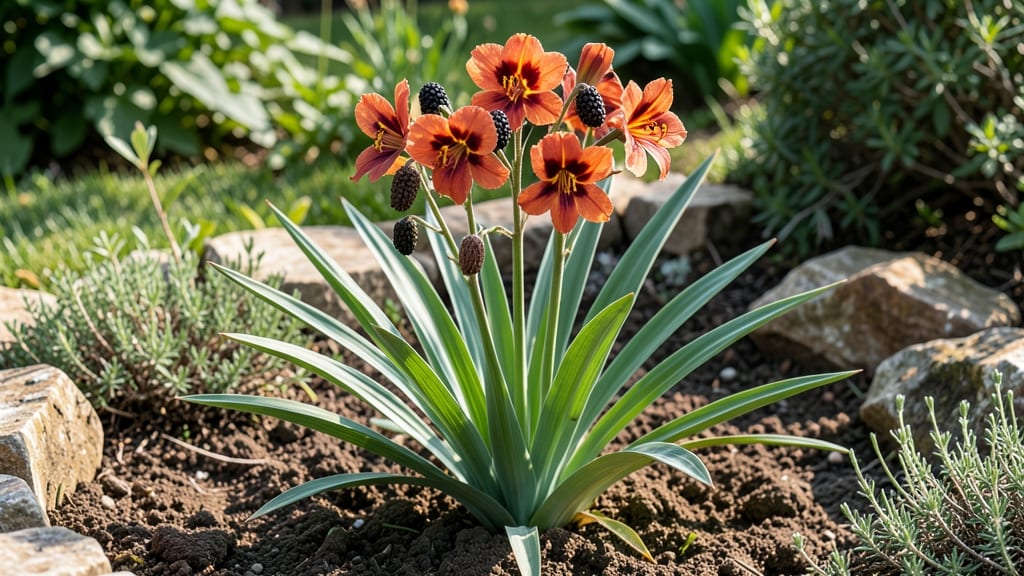
Those striking blackberry lily seed pods hold the secret to growing these bold, orange blooms in your garden. 🌱 I've learned that cold-stratifying these seeds for 60 days unlocks germination rates that surprise even experienced gardeners—no fancy equipment needed, just patience and a little science.
The process starts with harvesting ripe pods in late summer, then extracting the seeds and mixing them with damp sand. This mimics winter's natural chilling period, which breaks their dormancy. Most gardeners skip this step and wonder why their seeds never sprout—don't make that mistake.
By spring, you'll see those first tiny shoots pushing through the soil, ready to transform into plants that thrive in partial shade. The payoff comes in summer when your garden bursts with those signature blackberry lily blooms, attracting hummingbirds and adding dramatic color to shady corners.
Works equally well for gardeners with sunny borders or woodland gardens—just adjust planting spots. Here's how to do it right the first time, with tips that save you from common pitfalls like mold or uneven germination.
📚 In This Guide
- What you need
- Instructions
- Tips and common mistakes
- Wrapping up and next steps
What you need
- ● Blackberry Lily seed pods – 1–5 pods (collect fresh or purchase from a reputable supplier; ensure they’re fully mature and dry).
- ● Seeding tray or small pots – 4–6 inches deep, with drainage holes (plastic or biodegradable options work).
- ● Well-draining potting mix – Cactus/succulent blend (or mix equal parts perlite, peat moss, and sand for aeration).
- ● Plastic zip-top bags or clear containers – Sealable, 1–2 quart size (for cold stratification).
- ● Spray bottle – For gentle moisture application (avoid oversaturating seeds).
- ● Refrigerator or cold frame – Must maintain 35–45°F (2–7°C) for stratification.
- ● Labeling tags & marker – To track seed varieties and planting dates.
- ● Heat mat – For post-stratification warmth (speeds up germination).
- ● Grow lights – LED or fluorescent, 12+ hours/day (if natural light is limited).
- ● Humidity dome – To retain moisture during early growth.
- ○ Seed-starting gel – For extra hydration support (optional for stubborn seeds).
- ● Journal/notebook – To log progress and conditions.
How to germinate blackberry lily seed pods through cold stratification
Here's my foolproof method for breaking dormancy and growing these striking plants from seed.
🌱 Step 1: Harvest and Prepare the Seed Pods
Collect mature blackberry lily seed pods when they turn brown and begin to split open naturally. Gently twist them off the stem—don't pull, or you'll damage the delicate pods. Place them in a paper bag and let them dry indoors for 3-5 days in a warm, dry spot. This mimics the natural drying process that triggers germination readiness.
Once dry, open the pods carefully with a small knife or your fingers. You'll find small, glossy seeds inside. Remove any debris or empty seed cases, then count out 4 seed pods worth (about 15-20 seeds total). These seeds need stratification to break their dormancy, so we'll prepare them now.
💧 Step 2: Moisten and Stratify the Seeds
Fill a small container with dampened vermiculite or perlite—just enough moisture so it feels like a wrung-out sponge. Place the seeds about ½ inch deep in the mix, spacing them 1 inch apart. Cover them completely with the moistened medium, then seal the container in a plastic bag with a few small holes for airflow.
Store the container in your refrigerator's crisper drawer where temperatures stay consistently 35-40°F. Keep it there for 60 days, checking the moisture every 10 days. If the medium feels dry to the touch, mist it lightly with water. This cold period mimics winter conditions and signals the seeds that spring is coming.
☀️ Step 3: Plant After Stratification
After 60 days, remove the container from the fridge and let it sit at room temperature for 24 hours to acclimate. Fill 4-inch pots with well-draining potting mix (I use a blend of 50% potting soil and 50% perlite). Plant the stratified seeds ¼ inch deep, spacing them 2 inches apart in each pot.
Water the pots gently until moisture seeps from the drainage holes. Place them in a bright, indirect light spot—like a north-facing window—until germination occurs. You'll see the first tiny sprouts in 2-4 weeks. Avoid direct sunlight at this stage, as young seedlings are sensitive to intense heat.
🌿 Step 4: Care for Germinated Seedlings
Once the seedlings emerge, move them to a south-facing window or under grow lights for 12-14 hours of light daily. Keep the soil evenly moist but not soggy—water when the top ½ inch feels dry. Fertilize lightly with a diluted houseplant fertilizer (half-strength) every 4 weeks once the seedlings develop their first true leaves.
When the seedlings reach 3-4 inches tall and have 3-4 sets of leaves, they're ready to transplant into 6-inch pots. This usually happens 8-12 weeks after germination. Handle them gently to avoid damaging the delicate roots, and keep them in bright, indirect light for another 4-6 weeks before moving them outdoors.
Tips & tricks for germinating blackberry lily seed pods
These little-known tricks will help you maximize your success with cold-stratified blackberry lily seeds.
Pod Selection: Look for seed pods that are fully brown and starting to split naturally—these are ready for germination. Avoid pods that are still green or have blackened spots, as they won't produce viable seeds. I've found that pods collected in late summer yield the best results, as they've had time to fully mature on the plant.
Stratification Consistency: The 60-day cold stratification period at 35-40°F is non-negotiable for breaking dormancy, but maintaining consistent moisture is just as important. I use a spray bottle to mist the vermiculite every 10 days—just enough to keep it damp like a wrung-out sponge. Too much moisture causes mold, while too little prevents proper seed activation.
Light Transition Tip: When moving seedlings from bright indirect light to a south-facing window after germination, do it gradually over 3-4 days. Sudden exposure to direct sunlight can scorch delicate seedlings. I start with just 1-2 hours of morning sun on day one, then gradually increase exposure as the plants toughen up.
Transplanting Timing: The 24-hour acclimation period after removing seeds from the fridge is crucial for preventing shock. During this time, I place the container in a warm spot (around 70°F) to help the seeds adjust to room temperature before planting. This mimics the natural temperature shift they'd experience in spring.
Pro Tips for Blackberry Lily Seed Pods
- These little-known tricks will help you maximize your success with cold-stratified blackberry lily seeds.
- Pod Selection: Look for seed pods that are fully brown and starting to split naturally—these are ready for germination.
- Stratification Consistency: The 60-day cold stratification period at 35-40°F is non-negotiable for breaking dormancy, but maintaining consistent moisture is just as important.
Frequently asked questions
Got questions about growing blackberry lily seed pods? You’re not alone! Here are some of the most common queries—plus straightforward answers to help you succeed.
How do I know when blackberry lily seed pods are ready to harvest?
Harvest pods when they’re fully dry, papery, and split open slightly (usually 4–6 weeks after flowering). If they’re still green or hard, they need more time. Avoid harvesting in wet weather to prevent mold. Pro tip: Tap a pod—if seeds rattle inside, it’s ready!
Why aren’t my blackberry lily seeds germinating after cold stratification?
Patience is key! These seeds often take 60–90 days to sprout post-stratification. Check moisture levels (soil should stay damp, not soggy) and warmth (70–75°F is ideal). If mold appears, reduce humidity or adjust airflow. Troubleshoot: Try a second stratification cycle if seeds remain dormant.
Can I skip cold stratification for blackberry lily seeds?
Not recommended! Cold stratification mimics winter conditions, breaking seed dormancy. Without it, germination rates drop dramatically. If you’re in a warm climate, try a DIY fridge method (moist paper towel + sealed bag) for 4–6 weeks. Alternative: Some gardeners soak seeds in warm water for 24 hours first to soften the shell.
What’s the best way to store blackberry lily seed pods for later planting?
Store pods in a cool, dry place (like a paper bag with ventilation) until fully dry. Avoid plastic—it traps moisture and causes rot. Label pods with the harvest date! Seeds remain viable for 1–2 years if stored properly. Bonus: Place a silica gel packet in the bag to absorb excess humidity.
Do blackberry lily seedlings need special care after germination?
Yes! Keep seedlings in bright, indirect light (avoid harsh sun) and water gently to prevent uprooting. Transplant outdoors only after the last frost when soil is warm (60°F+). Thin seedlings to 6–8 inches apart—they’ll spread over time. Watch for: Yellow leaves (overwatering) or stunted growth (underwatering).
Wrapping up and next steps
Growing blackberry lily seed pods through cold stratification is a rewarding way to nurture these striking perennials—especially when you see those first green shoots in just 60 days! 🌱 With the right materials, patience, and a little care, you’ll unlock a vibrant addition to your garden that thrives with minimal fuss.
Now that you’re armed with the know-how, why not plant a few pods today and watch your garden transform?
Ready to take the next step? Start small—try a handful of pods in a pot or directly in your garden bed—and enjoy the process. Happy gardening! 🌿