
Lawn
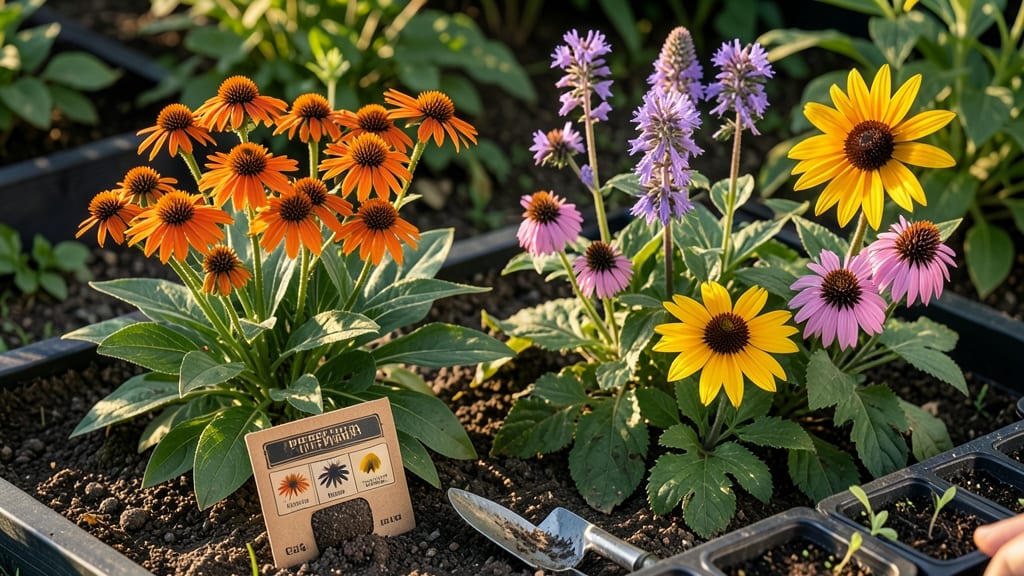
Fast-growing butterfly seed mixes turn bare patches into vibrant pollinator magnets within weeks. 🌱 I’ve planted these blends in my own yard, and within 6-8 weeks, you’ll see a riot of color that keeps butterflies visiting all summer long—no waiting months for slow-growing perennials.
The secret lies in the right soil prep: loose, well-draining earth mixed with compost. Most mixes need full sun (6+ hours/day) and consistent moisture until established, but once rooted, they’re shockingly drought-tolerant. My favorite blends include milkweed, coneflowers, and black-eyed Susans—the trifecta for monarchs and other pollinators.
By midsummer, you’ll have blooms that last for months, drawing butterflies in waves. The key is weekly light watering until seeds sprout, then letting nature take over. Just avoid overcrowding—space plants 12-18 inches apart for best results. Works in gardens, meadows, or even containers.
Here’s how to make it thrive—no green thumb required!
📚 In This Guide
- What you need
- Instructions
- Tips and common mistakes
- Wrapping up and next steps
What you need
- ● Butterfly seed mix: 1–2 lbs (pre-mixed blends like Milkweed, Coneflower, and Black-Eyed Susan work best). Look for native wildflower seeds for optimal results.
- ● Garden soil: 5–10 lbs (well-draining, loamy soil or a mix of topsoil and compost).
- ● Watering can or hose: With a gentle spray nozzle for even moisture distribution.
- ○ Gloves (optional): To protect your hands from prickly plants or soil.
- ● Garden trowel or rake: For breaking up soil and creating shallow furrows (4–6 inches deep).
- ● Measuring tape or ruler: To space seeds correctly (typically 6–12 inches apart for wildflowers).
- ○ Mulch or straw (optional): 1–2 inches to retain moisture and suppress weeds.
- ○ Plant labels (optional): To track seed varieties if testing multiple blends.
- ● Sunlight access: A spot with 6+ hours of direct sunlight daily—critical for butterfly-friendly blooms!
Step-by-Step guide to planting butterfly seed mix for instant pollinator attraction
Here's how to turn your outdoor space into a buzzing butterfly haven in just a few weeks.
🌱 Step 1: Prepare the Planting Site for Fast Germination
Choose a location with at least 6 hours of direct sunlight—butterfly-friendly plants thrive where they get plenty of warmth. Clear the area of weeds and debris, then loosen the top 4 inches of soil with a rake or garden fork. I like to work in a small, defined bed about 3 feet wide so I can maintain it easily.
For best results, mix in 2-3 inches of compost into the topsoil. This improves drainage and provides essential nutrients for quick germination. If your soil is heavy clay, add a handful of sand or perlite to lighten it—this prevents waterlogging, which can drown seeds before they sprout.
💧 Step 2: Scatter Seeds and Lightly Cover
Open your butterfly seed mix and scatter the seeds sparingly—they're small but packed with variety. Aim for about 1/4 teaspoon per square foot of soil. I use my fingers to spread them evenly, then lightly cover with a thin layer of soil (no more than 1/4 inch deep). Press gently with the back of a rake to ensure good seed-to-soil contact.
Water the area lightly but thoroughly until the soil feels evenly moist to a depth of 1 inch. Avoid soaking the seeds—this can wash them away or create a soggy environment that leads to rot. A gentle misting from a watering can works best. After watering, let the soil surface dry slightly before watering again.
☀️ Step 3: Maintain Moisture and Watch for Sprouts
Keep the soil consistently moist (not soggy) for the first 2-3 weeks—this is critical for fast germination. I water in the early morning to allow excess moisture to evaporate during the day. You'll see the first tiny sprouts appear in as little as 7-10 days, depending on your climate.
Once seedlings emerge, reduce watering to every 2-3 days unless your area experiences hot, dry spells. Thin seedlings to 6 inches apart when they reach 2-3 inches tall—this prevents overcrowding and ensures strong, healthy plants. Use small scissors to snip unwanted seedlings at soil level rather than pulling, which can disturb roots.
✂️ Step 4: Encourage Growth and Attract Butterflies
After 4-6 weeks, your butterfly seed mix will be established with a mix of nectar-rich flowers and host plants. Deadhead spent blooms regularly to encourage continuous flowering—this keeps the garden productive and attractive. I also add a small layer of mulch (about 1 inch thick) around plants to retain moisture and suppress weeds.
To maximize butterfly visits, plant in clusters rather than single rows. Butterflies are drawn to bright colors and dense foliage, so group similar flowers together. Avoid pesticides—even natural ones can harm these delicate pollinators. Instead, use a strong stream of water to dislodge pests like aphids if needed.
Tips & tricks for perfect butterfly seed mix planting
Real talk: The difference between a thriving butterfly garden and a failed attempt often comes down to these small but critical details.
Sunlight Strategy: That 6-hour minimum of direct sunlight is non-negotiable—many butterfly species need full sun to thrive. If your yard has partial shade, choose the sunniest spot possible and consider using reflective surfaces (like light-colored mulch or a white garden marker) to bounce extra light onto the area during critical afternoon hours when butterflies are most active.
Soil Science: The 2-3 inches of compost in Step 1 isn't just about nutrients—it's about creating the perfect seedbed. For clay-heavy soils, mix in sand or perlite to prevent compaction, which can smother emerging seedlings. I've found that adding a handful of worm castings (optional but game-changing) boosts microbial activity that helps seeds break dormancy faster.
Precision Planting: When scattering seeds at 1/4 teaspoon per square foot, think of it as planting confetti—not a snowfall. Use a calibrated spoon or small measuring scoop for consistency. For larger areas, consider making a simple stencil from cardboard to create evenly spaced planting zones. This prevents overcrowding and makes thinning easier later.
Watering Wisdom: The 1-inch deep moisture target in Step 2 is crucial, but timing matters just as much. I've learned the hard way that evening watering can lead to fungal issues—stick to morning watering to let foliage dry before nightfall. For containers, use a moisture meter to verify you're hitting that 1-inch depth without over-saturating.
Pro Tips for Butterfly Seed Mix
- Real talk: The difference between a thriving butterfly garden and a failed attempt often comes down to these small but critical details.
- Sunlight Strategy: That 6-hour minimum of direct sunlight is non-negotiable—many butterfly species need full sun to thrive.
- Soil Science: The 2-3 inches of compost in Step 1 isn't just about nutrients—it's about creating the perfect seedbed.
Frequently asked questions
Got questions about butterfly seed mixes?
You’re not alone! Here are answers to the most common queries to help you grow a thriving pollinator garden with ease.
How long does it take for butterfly seed mix to germinate?
Most butterfly seed mixes sprout in 7–21 days—some varieties (like cosmos or sunflowers) may appear in just 5–10 days if conditions are ideal. Keep soil moist but not soggy, and place seeds in full sun (6+ hours/day) for best results. Patience pays off—slow starters like milkweed can take up to 3 weeks!
Do I need to scarify or soak butterfly seeds before planting?
Some seeds (like milkweed or lupines) benefit from scarification (lightly nicking the seed coat) or soaking overnight to speed germination. Check the seed packet—hard-coated seeds often need this step, while others (e.g., cosmos or zinnias) germinate fine when dry-planted. A paper towel method (moisten seeds between towels for 24 hours) works for stubborn varieties.
Will squirrels or birds eat my butterfly seeds before they sprout?
Scatter seeds lightly
(¼ inch deep) and cover with a thin layer of soil to deter snacking. For extra protection, use wire mesh or plant in small batches every few weeks. Fast-growing annuals (like sunflowers) can outpace critters—just monitor and replant if needed.
Can I plant butterfly seed mix in partial shade?
While most butterfly-friendly plants thrive in full sun (6+ hours)**, some shade-tolerant options (like lupines, asters, or purple coneflowers) can handle 3–6 hours of sun. Avoid deep shade—pollinators need warmth to forage. Test your spot: If grass grows well there, it’s likely too shady for most butterfly seeds. Amend soil with compost to help struggling plants!
What if my seeds don’t germinate? Troubleshooting tips
- Check moisture: Soil should stay consistently damp (not muddy). Use a spray bottle for delicate seeds.
- Verify sunlight: Move pots/containers to a sunnier spot if indoors.
- Test seed viability: Plant a few seeds in a small pot with fresh potting mix to isolate issues.
- Adjust timing: Some seeds need cold stratification (refrigerate moist seeds for 1–2 weeks before planting).
- Try fresh seeds: Old seeds (2+ years) may lose potency—opt for recently harvested mixes.
Pro tip: Snap a photo of your planting area—compare it to the seed packet’s ideal conditions for clues!
Wrapping up and next steps
Transforming your garden into a pollinator paradise with butterfly seed mixes is simpler—and more rewarding—than you think! 🌸 These fast-growing blends not only attract beautiful butterflies but also support local ecosystems with minimal effort.
Whether you’re a seasoned gardener or just starting, every little patch of color counts—so grab your seeds, find that sunny spot, and let nature do the rest!
Ready to take the next step? Start small—plant a few packets this weekend, then expand as you see your garden buzz with life. Happy planting! 🌿✨