Lawn
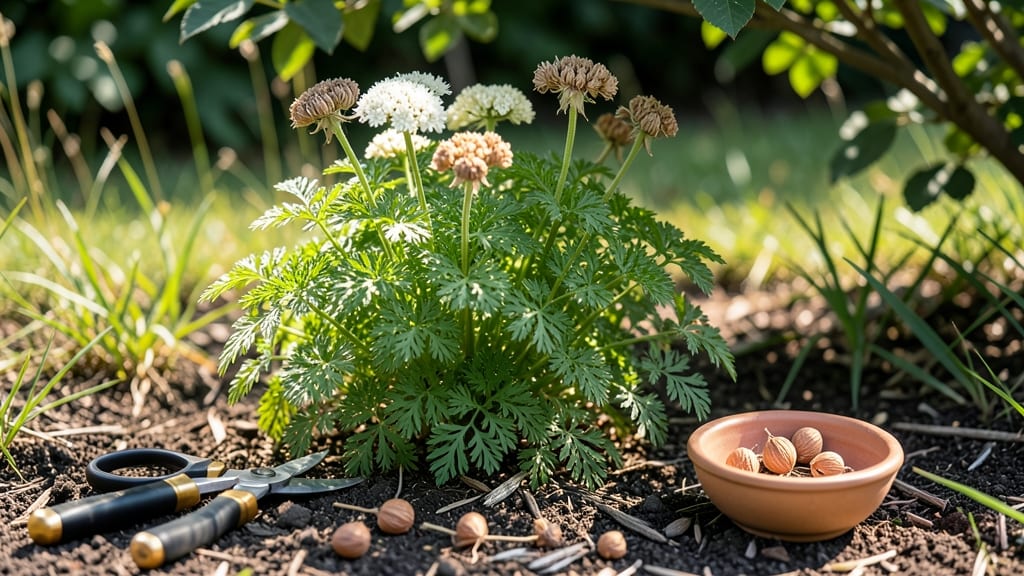
Growing coriander and cilantro from seed feels like a gardening game—until you learn the twist. 🌱 The same plant gives you fresh cilantro leaves and aromatic coriander seeds, but only if you handle the bolting right.
I’ve grown this plant for years, and I’ll show you how to get both without the frustration.
The secret starts with cool soil and consistent moisture—cilantro hates heat and dryness. Plant seeds ¼ inch deep in well-draining soil, spaced 6 inches apart, and keep them shaded until they sprout.
Once established, they thrive in 4-6 hours of sun daily, but too much heat sends them bolting faster than you can say "pesto."
By mid-season, you’ll have lush cilantro for cooking and the chance to let some plants flower for seeds. Harvest leaves early and often, but leave a few stems to bolt—they’ll produce those fragrant seeds you can dry for curries and spice blends.
The payoff? Fresh cilantro now and a pantry staple later.
Works in containers or garden beds, and even in partial shade if you’re in a hot climate. Here’s how to avoid the common pitfalls and keep your plants productive all season.
📚 In This Guide
- What you need
- Instructions
- Tips and common mistakes
- Wrapping up and next steps
What you need
- ● Coriander seeds (organic preferred) – 1 packet (approx. 1 oz or 28g). Look for heirloom varieties like ‘Santo’ or ‘Calypso’ for better flavor and slower bolting.
- ● Cilantro seeds (same as coriander seeds!) – Same packet as above. Yes, they’re the same—just different stages of growth!
- ● Growing containers or garden bed – 5-6 inch deep pots (3-4 per seed packet) or a well-draining garden plot in full sun (6+ hours/day).
- ● Potting soil or garden soil – Lightweight, well-draining mix with compost (avoid heavy clay).
- ● Watering can or spray bottle – For gentle, consistent moisture (avoid soaking).
- ○ Gloves – To protect hands from prickly stems (optional but handy!).
- ● Seedling trays – For starting indoors (if needed).
- ○ Fertilizer (low-nitrogen, organic) – Fish emulsion or compost tea (optional, for nutrient boost).
- ○ Shade cloth (30-50%) – To protect seedlings from intense afternoon sun (optional for hot climates).
- ○ Harvesting scissors or knife – For clean cuts (optional but makes harvesting easier!).
Step-by-step instructions for growing coriander and cilantro together
Here's how I grow both coriander seeds and cilantro from the same plant—no more bitter surprises!
🌱 Step 1: Start Seeds Indoors for Early Growth
Fill a seed tray with 2-3 inches of moistened potting mix and press it down gently. Scatter seeds ¼ inch deep, spacing them 1 inch apart in rows. Coriander seeds germinate best at 65-75°F, so place the tray on a seedling heat mat if your home runs cooler. Cover with a humidity dome or plastic wrap to keep moisture steady until sprouts appear.
Water lightly from the bottom by placing the tray in ½ inch of water for 10 minutes—this prevents washing seeds away. You'll see tiny green sprouts in 7-14 days. Once they emerge, remove the cover immediately to prevent mold. I always label my trays because cilantro and coriander look identical at this stage.
☀️ Step 2: Move to Bright Light and Thin Seedlings
When seedlings have 2 sets of true leaves (the first pair are cotyledons, the second are real leaves), thin them to 2 inches apart using clean scissors. Snip unwanted seedlings at soil level—don’t pull them, or you’ll disturb the roots of the remaining plants. This ensures your cilantro has room to grow without competing for nutrients.
Place the tray under grow lights 2-3 inches above the plants for 14-16 hours daily. Coriander and cilantro both need strong light to prevent legginess. You’ll know your light is right when leaves are dark green and stems are sturdy. If they stretch toward the light, lower the fixture or move them closer to a south-facing window.
🪴 Step 3: Transplant Outdoors After True Leaves Form
When seedlings have 4-6 true leaves and are 3-4 inches tall, transplant them into the garden or containers. Space plants 6-8 inches apart in well-draining soil with full sun to partial shade. I plant mine in late spring after the last frost, when soil temperatures reach 50°F—coriander seeds won’t germinate in cold soil.
Water deeply at transplanting to settle the roots, then maintain 1 inch of water per week. Let the top inch of soil dry between waterings to prevent bolting (when plants prematurely flower and become bitter). Mulch around the base with 1-2 inches of straw to retain moisture and keep roots cool.
✂️ Step 4: Harvest Cilantro Leaves Before Bolting
Start harvesting cilantro leaves when plants are 6-8 inches tall by snipping the outer stems just above a leaf node. This encourages bushier growth. Avoid cutting more than ⅓ of the plant at once, or you’ll stress it. I harvest in the morning after dew dries, when flavors are most concentrated.
If the plant starts to bolt (sends up a tall flower stalk), cut it back to the base. The roots may still produce more cilantro leaves, though the quality declines. Meanwhile, let some plants flower—they’ll develop coriander seeds. Once seed pods turn brown and dry, harvest them by hand or shake them into a paper bag to dry completely before storing.
🌿 Step 5: Save Seeds for Next Year’s Harvest
Collect dried coriander seeds by rubbing the seed heads over a bowl or shaking them onto a tray. Store seeds in a cool, dark place for up to 2 years. I keep mine in a small glass jar with a tight lid. Next spring, you’ll have fresh seeds ready to repeat the process—no store-bought packets needed.
Here’s the thing—if you let some cilantro bolt, you’ll get seeds too, but they may not be as flavorful as those from dedicated coriander plants. For the best results, grow a few extra plants specifically for seeds while harvesting leaves from others.
Tips & tricks for perfect coriander and cilantro growth
Real talk: Growing both coriander and cilantro from the same plant takes patience, but these tricks will help you avoid the common pitfalls that turn sweet cilantro into bitter disappointment.
Germination Secret: Don’t rush the 7-14 days germination window—consistency matters more than speed. I’ve learned that keeping the seed tray at 65-75°F and maintaining that 10-minute bottom-watering routine makes all the difference. If your kitchen runs cooler, a seedling heat mat is worth the investment.
Lighting Strategy: Those 14-16 hours of grow light are non-negotiable for preventing leggy seedlings. I use a simple LED fixture just 2-3 inches above the plants, and I adjust it weekly as they grow. If you notice stems stretching toward the light, it’s time to lower the fixture or move to a sunnier spot immediately.
Transplanting Hack: When your seedlings reach 3-4 inches tall, harden them off for a day before transplanting—place them outside in partial shade for a few hours. This helps them adjust to outdoor conditions and reduces transplant shock. I also water the soil thoroughly before pulling plants to minimize root disturbance.
Harvesting Wisdom: The 6-8 inch height guideline is your best friend for timing harvests. I always snip leaves in the morning when they’re at their freshest, and I never take more than ⅓ of the plant at once. This keeps the plant happy and encourages more growth—plus, you’ll get multiple harvests instead of one big disappointment.
Pro Tips for Coriander Seed Cilantro
- Real talk: Growing both coriander and cilantro from the same plant takes patience, but these tricks will help you avoid the common pitfalls that turn sweet cilantro into bitter disappointment.
- Germination Secret: Don’t rush the 7-14 days germination window—consistency matters more than speed.
- Lighting Strategy: Those 14-16 hours of grow light are non-negotiable for preventing leggy seedlings.
Frequently asked questions
Got questions about growing coriander seed (cilantro) from seed to harvest? You’re not alone—this herb can be tricky! Here are answers to the most common questions to help you avoid frustration and grow a thriving crop.
Is coriander seed and cilantro the same thing?
Yes and no! Coriander seed refers to the dried seeds harvested from the cilantro plant, while cilantro is the fresh leafy herb. The same plant produces both—just choose whether you want to harvest seeds or leaves. If you’re growing for seeds, let the plant bolt (flower) first!
How long does it take to grow cilantro from seed?
Cilantro grows surprisingly fast! You’ll see sprouts in 5–10 days, and harvest-ready leaves in 4–6 weeks. However, if you’re growing for seeds, expect a full 8–10 weeks from seed to maturity. Patience is key—especially if you’re dealing with bolting!
Why does my cilantro taste soapy?
That “soapy” flavor? It’s a genetic quirk! Some people naturally perceive cilantro this way due to _OR6A2_ gene sensitivity. If you dislike it, try Chinese parsley or Mexican coriander (both are cilantro cousins but milder). Pro tip: Harvest leaves young—older plants can intensify the flavor!
How do I prevent cilantro from bolting too quickly?
Bolting (premature flowering) happens when cilantro senses heat or stress. To delay it:
- Plant in cool seasons (spring/fall in most climates).
- Avoid overcrowding—thin seedlings for better airflow.
- Keep soil consistently moist (but not soggy).
- Use shade cloth in hot summers (30–50% shade helps!).
Can I grow cilantro indoors?
Cilantro thrives indoors with 4–6 hours of sunlight daily (a south-facing window or grow light works). Use a small pot (6+ inches deep) with well-draining soil, and harvest leaves regularly to encourage bushier growth. Just watch for bolting—indoor plants can still react to heat from appliances!
What can I do with cilantro seeds if I don’t want to eat them?
Coriander seeds are incredibly versatile! Try these ideas:
- Spice blends: Add to curry powder, chili mixes, or taco seasoning.
- Infused oils/vinegars: Toast seeds lightly, then steep in olive oil or apple cider vinegar.
- Baking: Use in bread, muffins, or energy bars for a citrusy kick.
- Compost: If you’re out of options, toss them into your compost pile.
Wrapping up and next steps
Growing coriander seed and cilantro from scratch is totally doable—even if you’ve struggled before! 🌱 With the right soil, sunlight, and a little patience, you’ll soon enjoy fresh herbs straight from your garden.
Whether you’re saving seeds for next season or harvesting vibrant cilantro leaves, the rewards are well worth the effort.
Ready to take the next step? Start small with a few pots or a dedicated garden bed, and soon you’ll be savoring homegrown flavors that beat store-bought any day. Happy growing! 🌿