
Lawn
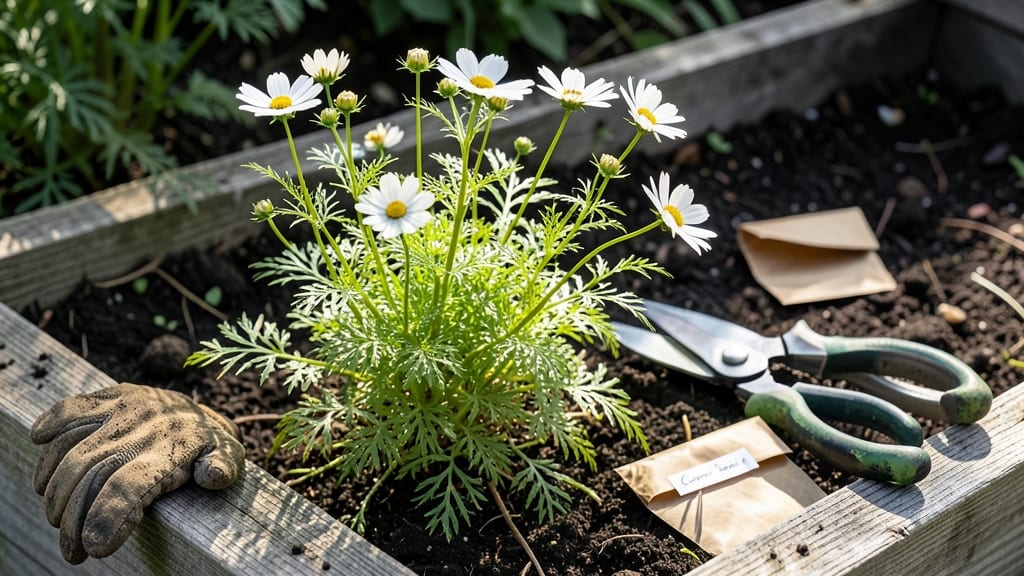
Cosmos seed collection is like saving little packets of next summer’s fragrant blooms. 🌻 These airy, papery seeds hold the promise of effortless regrowth—just let nature do the work, then store them properly for a 90%+ germination rate the following spring.
Timing is everything: wait until the seed heads turn from fluffy white to a deep, papery brown before harvesting. Cosmos are self-pollinating, so you’ll get true-to-type flowers without worrying about cross-contamination.
Gently twist off the dried seed pods and let them air-dry for another week in a paper bag before storage.
Once fully dry, store seeds in an airtight container with a silica gel packet to prevent moisture. Label with the variety and date—viability lasts 3-5 years if stored correctly. You’ll know you’ve done it right when your garden bursts into color again next season with minimal effort.
This method works for all cosmos varieties, from dwarf ‘Sensation’ to towering ‘Bright Lights.’ The secret? Patience—those delicate seeds need time to mature before they’re ready for their next chapter in your garden.
📚 In This Guide
- What you need
- Instructions
- Tips and common mistakes
- Wrapping up and next steps
What you need
- ● Mature cosmos flowers – Harvest when seed pods turn brown and dry (usually late summer/early fall). Aim for at least 10-15 healthy pods for a good seed yield.
- ● Scissors or pruning shears – Sharp, clean tools to snip seed pods without damaging them.
- ● Brown paper bags or breathable mesh bags – 2-3 bags (one per harvest batch) to allow airflow while drying.
- ○ Newspaper or cardboard – For a flat drying surface (optional but helpful for bulk drying).
- ● Small envelopes or seed packets – 5-10 envelopes (paper or resealable) for long-term storage.
- ● Permanent marker – To label seeds with the variety and harvest date.
- ○ Desiccant packets (optional) – 1-2 packets for extra moisture control in storage.
- ● Air-tight containers – Small glass jars or plastic containers with tight-sealing lids (e.g., mason jars or resealable bags).
- ● Cool, dark place – A pantry, basement, or refrigerator (not the freezer) to maintain seed viability.
- ○ Humidity monitor (optional) – Ensures storage conditions stay below 40% humidity for optimal seed longevity.
Step-by-step instructions for collecting and storing cosmos seeds
Here's how to preserve cosmos seeds for next season's vibrant blooms—simple steps that ensure viability and fragrance.
🌱 Step 1: Select the Healthiest Blooms for Seed Collection
Choose fully mature cosmos flowers that have completed their bloom cycle—look for dried, papery petals that have fallen away naturally. The seed heads should be plump and brown, not shriveled or moldy. I like to collect seeds from the second flush of blooms, as they often produce the hardiest plants.
Gently twist the dried flower head between your fingers until the seed pod releases. You'll feel a slight give as the seeds pop free. Avoid cutting stems—this can damage the seed head and reduce yield. Collect seeds on a clean, dry surface to prevent contamination from soil or debris.
💧 Step 2: Clean and Dry the Seeds Thoroughly
Spread the collected seeds on a paper towel or breathable mesh screen in a warm, dry location with good air circulation. A sunny windowsill or well-ventilated room works perfectly. The goal is to reduce moisture to 5-10% humidity—this prevents mold and ensures long-term storage viability.
Stir the seeds gently every 2-3 days to prevent clumping. You'll know they're properly dried when they feel light and brittle between your fingers. If any seeds show signs of mold or discoloration, discard them immediately—these won't store well.
⏰ Step 3: Store Seeds in Optimal Conditions
Transfer the dried seeds into a paper envelope or airtight container with a silica gel packet to absorb any remaining moisture. Label the container with the variety name and collection date—cosmos seeds remain viable for 2-3 years when stored correctly, but fresh seeds always germinate best.
Store the container in a cool, dark place like a pantry or refrigerator. Avoid basements or garages where temperature fluctuations occur—cosmos seeds are sensitive to freezing temperatures, which can reduce germination rates. Check the seeds annually for moisture or pests, discarding any that appear compromised.
☀️ Step 4: Test Germination Before Planting Next Season
Before sowing your stored seeds, conduct a simple germination test. Place 10 seeds between damp paper towels in a sealed plastic bag. Keep them in a warm spot (70-75°F) and check daily for sprouting. If 50% or more of the seeds germinate within 7-10 days, your storage method worked—plant with confidence.
If germination rates are low, try soaking the seeds in lukewarm water for 12 hours before planting. Cosmos seeds sometimes need this extra step to break dormancy, especially if stored beyond one year. Plant the seeds ¼ inch deep in well-draining soil and keep them moist until germination occurs.
Tips & tricks for perfect cosmos seed preservation
Here's what nobody tells you about keeping cosmos seeds viable for years—small details that make all the difference.
Selection Tip: The second flush of cosmos blooms often produces the hardiest seeds, but don't overlook the first flush entirely. If you're short on time, focus on flowers that have completely dried on the plant—look for those papery petals that have naturally fallen away. I've found that seeds from slightly later blooms tend to have better germination rates, but early blooms still work if they're fully mature. The key is that seed heads should be plump and brown, not shriveled or green.
Drying Strategy: When spreading seeds on paper towels or mesh screens, avoid plastic surfaces—they trap moisture and can lead to mold. A sunny windowsill with good airflow works perfectly, but if humidity is high, supplement with a small fan on low setting. The goal is to reach that 5-10% humidity level, which typically takes 5-7 days in average conditions. Stirring every 2-3 days prevents clumping, but be gentle—those brittle seeds can break easily.
Storage Wisdom: While paper envelopes work fine for short-term storage, I recommend airtight containers with silica gel packets for long-term viability. The silica gel absorbs any lingering moisture that could compromise seed quality over the 2-3 year lifespan. Labeling with the variety name and collection date is crucial—cosmos varieties can have subtle differences in bloom time and fragrance. I've seen people mix varieties by accident when they didn't label properly, leading to inconsistent blooms the following season.
Germination Test: The 70-75°F warm spot for your germination test is critical—this mimics ideal spring planting conditions. If your home runs cooler, consider using a seedling heat mat set to 75°F for more consistent results. When checking for sprouts, look for tiny white roots emerging first—this is your signal that germination has begun. The 50%+ germination rate within 7-10 days is your green light that storage conditions were optimal.
Pro Tips for Cosmos Seed Collection
- Here's what nobody tells you about keeping cosmos seeds viable for years—small details that make all the difference.
- Selection Tip: The second flush of cosmos blooms often produces the hardiest seeds, but don't overlook the first flush entirely.
- Drying Strategy: When spreading seeds on paper towels or mesh screens, avoid plastic surfaces—they trap moisture and can lead to mold.
Frequently asked questions
Got questions about saving cosmos seeds for next season? Here’s what you need to know to keep your garden blooming beautifully—without the guesswork!
When is the best time to collect cosmos seeds?
Harvest seeds when the cosmos flowers have fully bloomed and the seed pods turn brown and papery (usually late summer to early fall). Wait until the pods dry out completely—this ensures high germination rates. If you pick too early, the seeds won’t mature!
How do I know if my cosmos seeds are ready to collect?
Look for dry, crinkly seed pods that split open on their own or with gentle pressure. Inside, you’ll find flat, dark seeds. If the pods are still green or sticky, they’re not ready yet—patience pays off for healthy seeds!
Can I save cosmos seeds from hybrid varieties?
Most cosmos seeds are open-pollinated, meaning they’ll grow true to type. However, if you’re using a hybrid variety, the next generation might not match the parent plant’s exact traits. Check seed packets for notes—if labeled "hybrid," expect some surprises!
What’s the best way to store cosmos seeds for long-term use?
After drying, store seeds in a paper envelope or airtight container with a desiccant packet to absorb moisture. Keep them in a cool, dark place (like a fridge) for up to 3 years. Label everything—trust us, you’ll thank yourself next planting season!
Why aren’t my cosmos seeds germinating?
Seeds need warmth and light to sprout. Try pressing them lightly into moist potting mix (no burial needed!) and placing the tray in a sunny spot. If they’re old or stored damp, they may have lost viability. Test a few seeds in a separate pot to diagnose the issue.
Wrapping up and next steps
Collecting and storing cosmos seeds is a rewarding way to ensure your garden stays vibrant with fragrant blooms year after year.
By following the right drying and storage techniques, you’ll preserve their viability and set the stage for a stunning, low-maintenance garden. Now’s your chance to become a seed-saving pro—start small, experiment, and watch your cosmos thrive!
🌱 Next Steps:
- Label your seed packets with the variety and date for easy organization.
- Share your harvest with fellow gardeners or swap seeds to expand your collection.
- Plan your planting schedule for next spring—mark those calendars!