
Lawn
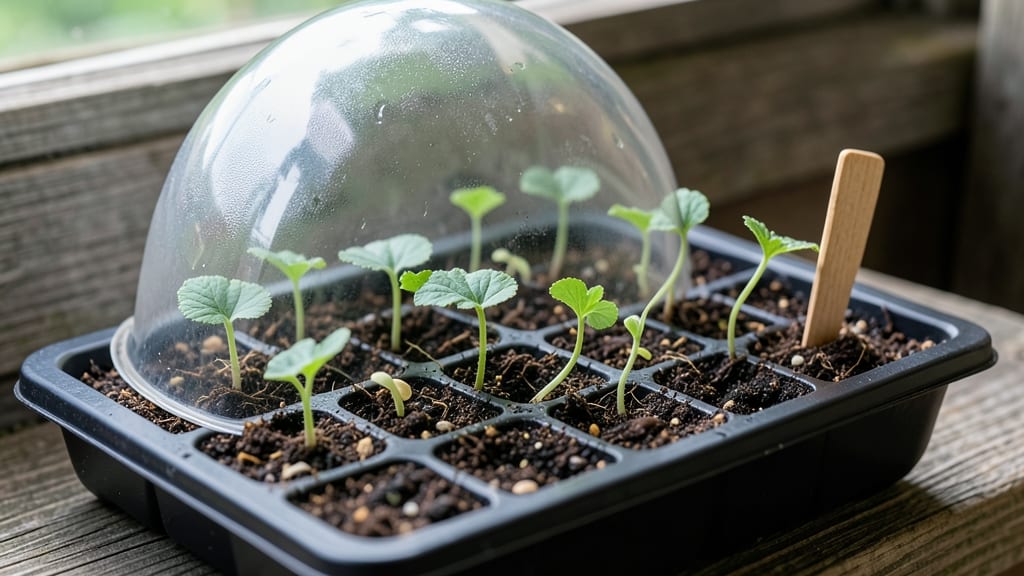
Cucumber seeds sprout in 3-5 days without soil when you nail the moisture, warmth, and airflow. 🌱 I’ve watched seeds crack open and send out tiny green roots within days—no dirt required—using just a damp paper towel and a plastic bag.
The secret isn’t magic; it’s recreating the cozy, humid conditions seeds love in the wild. Start with 3-4 seeds wrapped in a damp paper towel, sealed in a bag, and tucked in a warm spot (70-85°F). Check daily for sprouts—those first roots are delicate, so handle them like glass.
If mold appears (fuzzy gray spots), toss the batch and start fresh with clean supplies. Once sprouts peek out, they’ll need light to keep growing straight, not lanky. Place them under a grow light or in a sunniest window, keeping the roots moist but not soggy.
Within a week, you’ll have sturdy seedlings ready for transplanting—no weak, leggy stems in sight. This method works for any cucumber variety, from slicing to pickling types. Skip the slow soil-starting and get a jump on the season with foolproof, fast germination. Ready to try it?
📚 In This Guide
- What you need
- Instructions
- Tips and common mistakes
- Wrapping up and next steps
What you need
- ● Cucumber seeds: 1–2 tbsp (about 20–40 seeds, organic preferred for faster sprouting). Pro tip: 💡 Choose heirloom or hybrid varieties like Armenian, Persian, or Lemon cucumbers for quick germination.
- ● Growing medium: Paper towels or coffee filters: 2–3 sheets (unbleached, seed-free).
- ● OR Sprouting lid/jar: 1 (with a mesh screen or fine cloth).
- ● Water: Distilled or filtered (1 cup per batch). Avoid tap water if it’s heavily chlorinated.
- ○ Spray bottle (optional but helpful): 1 (for gentle misting).
- ● Small container: 1 (e.g., shallow dish, bowl, or mason jar).
- ● Clean workspace: A flat, dry surface (kitchen counter or table works great!).
- ● Timer or phone alarm: To remind you to mist every 8–12 hours.
- ○ Fine-mesh strainer (optional): For rinsing sprouts if using a jar method.
- ○ Grow light (optional): 1 (LED or fluorescent, 6–12 inches above sprouts for 12+ hours/day if natural light is limited).
- ○ Notebook/pencil (optional): To track germination progress and days!
How to germinate cucumber seeds in 3-5 days without soil
Here's the fast, soil-free method I swear by for quick cucumber starts—no mess, no waiting weeks.
🌱 Step 1: Soak Seeds for Maximum Germination Speed
Place 4 cucumber seeds in a small bowl and cover them with lukewarm water. Let them soak for 8-12 hours—this softens the seed coat and kickstarts germination. You'll see tiny white roots appear within hours, signaling it's working.
Don't skip this step. Dry seeds can take 7-10 days to sprout, but soaked seeds often break through in just 3-5 days. Drain the water after soaking, then gently pat the seeds dry with a paper towel to prevent mold.
💧 Step 2: Set Up a Moist Germination Station
Line a shallow tray with 2 paper towels, dampening them with warm water until they feel like a wrung-out sponge—not dripping, just consistently moist. Arrange the seeds 1 inch apart in a single row, pressing them lightly into the towels so they stay in place.
Cover the tray with another paper towel and place a plastic wrap sheet over it to trap moisture. This creates a mini greenhouse effect that speeds up germination. Store the tray in a warm spot (75-85°F), like on top of the fridge or near a sunny window.
☀️ Step 3: Monitor for Sprouts and Prevent Mold
Check the seeds daily. You'll see tiny white roots first, then green shoots breaking through within 3-5 days. Keep the towels moist by misting lightly with water—never soak them again, or you'll drown the sprouts.
If you notice fuzzy white growth on the towels, that's mold. Immediately remove the plastic wrap and let the setup air out for an hour. Mold thrives in trapped moisture, but cucumber sprouts grow fast enough to outpace it if you catch it early.
🪴 Step 4: Transplant Sprouts to Growing Medium
Once sprouts have ½-inch stems and visible leaves, carefully transfer them to individual 3-inch pots filled with seed-starting mix. Gently press the soil around the roots to secure them without burying the stems too deep.
Water lightly from the bottom to encourage roots to spread downward. Place the pots under grow lights or bright indirect light for 14-16 hours daily. Avoid direct sunlight at this stage—young cucumber seedlings can scorch easily.
⏰ Step 5: Harden Off Before Outdoor Planting
After 5-7 days in pots, start hardening off by placing the seedlings outside in partial shade for 1 hour daily. Gradually increase their outdoor time over 7-10 days, ending with full sun exposure.
Watch for yellowing leaves or wilting—this means they're not ready for full sun yet. Once they tolerate 6+ hours of sunlight without stress, they're ready to transplant into the garden or larger containers.
Tips & tricks for fast cucumber seed germination
Fast-track your cucumber starts with these game-changing tricks that keep your sprouts healthy and on schedule.
Soaking Secret: For even faster results in Step 1, use distilled water instead of tap water when soaking your 4 cucumber seeds. Tap water's chlorine can slow germination slightly, while distilled water removes that barrier. After the 8-12 hour soak, you'll often see those first white roots appear within just 4-6 hours instead of waiting overnight.
Temperature Troubleshooting: The 75-85°F range in Step 2 is ideal, but if your kitchen runs cooler, place the tray on top of your fridge or near a sunny window. I've seen germination speed up by 24 hours when keeping it at the higher end of that range. Just avoid direct sunlight during this phase—it can overheat the setup.
Mold Prevention: When you notice fuzzy white growth in Step 3, act immediately by removing the plastic wrap and letting it air out for an hour. This isn't just about saving your sprouts—mold can actually release spores that might inhibit germination. After airing, replace the plastic wrap and monitor closely. A small fan blowing gently over the setup can prevent future mold issues.
Transplant Timing: In Step 4, wait until those sprouts have at least a ½-inch stem before transplanting—this gives them enough root strength to handle the move. I've found that seedlings with visible leaves but stems shorter than ½-inch often struggle to establish in soil. Use a toothpick to gently loosen the roots from the paper towel before transferring to pots.
Pro Tips for Cucumber Seed Sprouts
- Fast-track your cucumber starts with these game-changing tricks that keep your sprouts healthy and on schedule.
- Soaking Secret: For even faster results in Step 1, use distilled water instead of tap water when soaking your 4 cucum...
- Temperature Troubleshooting: The 75-85°F range in Step 2 is ideal, but if your kitchen runs cooler, place the tray on...
Frequently asked questions
Got questions about growing cucumber seed sprouts fast—even without soil? You’re in the right place! Here are answers to the most common queries to help you sprout success in just 3-5 days.
How do I speed up cucumber seed germination in 3-5 days?
Keep seeds in a warm (70–90°F), moist environment—like a damp paper towel or jar with a lid. Place them near a sunny window or under a grow light. Avoid cold drafts, and check moisture daily. Pro tip: Soak seeds overnight before planting to jumpstart the process!
Can I reuse the water from sprouting cucumber seeds?
Yes! Just strain out the seeds and reuse the water for other plants (like herbs or lettuce) as long as it’s not cloudy or smelly. Avoid overusing it—let the water sit for a few hours to cool and settle before reapplying. Bonus: This reduces waste and keeps your sprouts hydrated!
What if my cucumber seeds don’t sprout in 5 days?
Don’t panic! Try these fixes:
- Check temperature: Seeds need warmth—move them to a cozier spot (like near a heater or in a seedling mat).
- Test moisture: If the towel/jar is dry, dampen it again (but don’t drown them!).
- Inspect seeds: Discard any that look shriveled or moldy—some seeds just take longer (up to 10 days).
Can I grow cucumber sprouts indoors without sunlight?
Use a grow light (LED or fluorescent) 12–16 hours daily, placed 2–4 inches above the seeds. A sunny windowsill works too, but rotate the container daily for even growth. Fun fact: Sprouts need light after germination—keep them in darkness until tiny roots appear!
Are cucumber seed sprouts safe to eat raw?
Yes! Once sprouts have 1–2 inch stems and leaves, they’re edible and packed with nutrients (like vitamin K and antioxidants). Rinse them well before eating, and store in a damp paper towel in the fridge for up to 5 days. Caution: Avoid sprouts from unwashed seeds or contaminated water.
What’s a good alternative if cucumber seeds won’t sprout?
Try these fast-sprouting seeds instead:
Seed Type
Germination Time
Radish
3–4 days
Lentils
2–3 days
Alfalfa
4–5 days
Sunflower
5–7 days
Wrapping up and next steps
Growing cucumber seed sprouts in just 3-5 days without soil is not only possible—it’s a rewarding and eco-friendly way to kickstart your garden! Whether you’re a beginner or a seasoned gardener, this method proves that patience and a little care can yield fast, healthy starts.
Now that you’re armed with the right techniques and tips, why not try it yourself?
🌱 Next steps:
- Grab your jar, seeds, and paper towels, and give it a try—your future cucumber plants will thank you!
- Once sprouted, transplant them into soil and watch your garden thrive!
- Share your success (or ask questions!) in the comments—we’d love to hear from you!