
Lawn
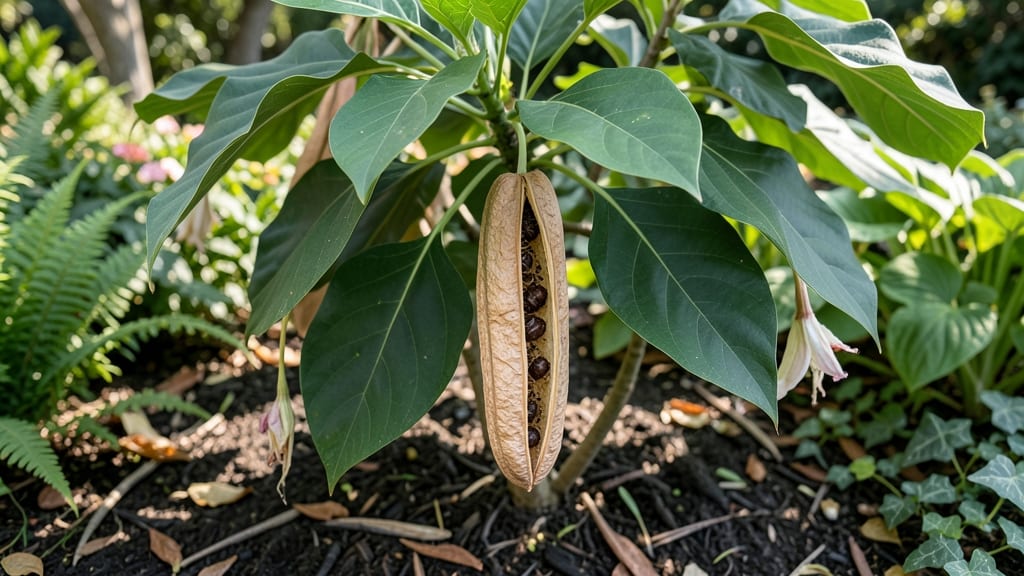
Harvesting devil's trumpet seed pods without twisting them open is the secret to saving viable seeds year-round. 🌿 I've learned the hard way that these spiky pods hold potent seeds—if you know when and how to collect them properly.
The key is patience and timing, because harvesting too early means immature seeds, while waiting too long risks them scattering everywhere.
You'll need just a few simple tools: sharp pruning shears, a paper bag for collecting pods, and thick gloves—this plant's toxicity isn't something to take lightly. The best time to harvest is when the pods turn from green to brown but haven't split open yet.
A single plant can produce hundreds of seeds, so even a small harvest gives you plenty for next season.
Once you've carefully snipped the pods, store them in a cool, dry place until they fully dry and split on their own. The seeds inside will be black and plump, ready for planting.
These aren't just for ornamental gardens—they're perfect for saving year after year, as long as you handle them with care.
Fair warning: never handle these seeds without gloves, and keep them away from children and pets. The plant's beauty hides its danger, but with proper precautions, devil's trumpet can be a fascinating addition to your seed-saving collection. Here's how to do it safely and effectively!
📚 In This Guide
- What you need
- Instructions
- Tips and common mistakes
- Wrapping up and next steps
What you need
- ● Mature devil’s trumpet seed pods: 5–10 fully dried, brown pods (harvest when they split open naturally or turn papery).
- ● Pruning shears or sharp scissors: Clean, sterilized tools to snip stems without crushing pods.
- ● Paper grocery bags or breathable cloth sacks: 2–3 medium-sized bags to collect seeds (avoid plastic—it traps moisture!).
- ● Tweezers or fine-tipped tongs: For gently extracting seeds from stubborn pods.
- ● Labeling tags & permanent marker: To mark seed varieties and harvest dates.
- ● Drying rack or mesh screen: A flat, elevated surface (like a wire cooling rack) for pods to dry completely.
- ● Fine-mesh sieve or colander: To sift out debris and chaff from seeds.
- ● Gloves (nitrile or cotton): Protects hands from mild skin irritation (devil’s trumpet contains tropane alkaloids—handle with care!).
- ● Small paintbrush: Helps dislodge seeds stuck in pod fibers.
- ● Air-tight glass jars: For long-term seed storage (add a silica gel packet to prevent mold).
- ● Hand lens or magnifying glass: To inspect seed viability (look for plump, dark seeds).
- ○ Spray bottle with water: Optional for loosening stubborn seeds (use sparingly!).
Step-by-Step instructions for harvesting devil's trumpet seed pods
Here’s how I collect seeds without damaging the pods or wasting a single viable seed.
🌿 Step 1: Identify the Right Pods for Harvesting
Wait until the seed pods turn a deep brown and feel dry to the touch—this means they’re fully mature and ready for collection. I always check pods in the morning when the air is cooler, as they’ll be easier to handle. Avoid harvesting pods that are still green or slightly damp, as they won’t contain viable seeds.
Gently twist the pod between your fingers to test its readiness. If it resists and doesn’t crack open easily, it’s not quite ready. A mature pod will open with just a slight twist, revealing the seeds inside. This is the moment that matters: harvesting too early means wasted effort, while waiting too long risks losing seeds to birds or weather.
✂️ Step 2: Harvest and Prepare the Pods
Use clean, sharp scissors or pruning shears to snip the pods from the stem, leaving about ½ inch of stem attached. This prevents damage to the plant and makes it easier to handle the pods later. Place the harvested pods in a paper bag or breathable container—plastic traps moisture, which can encourage mold.
Don’t rush this step. I like to harvest pods on a dry day so they can air-dry properly. If rain is forecast, bring them indoors immediately to avoid moisture damage. Once you’ve collected enough pods for your needs, lay them out on a clean, dry surface to finish drying for 3-5 days.
💧 Step 3: Dry and Clean the Seeds
After the pods are fully dry, gently crush them with your hands or a mortar and pestle to release the seeds. I find a clean kitchen towel works well for this—just place the pods on the towel and rub them lightly until the seeds pop out. Be patient; forcing it can damage the seeds or create unnecessary dust.
Once the seeds are out, spread them on a fresh towel or paper plate and let them air-dry for another 24 hours to ensure all moisture is gone. This extra step prevents mold from forming in your seed storage. Use a fine-mesh sieve to remove any chaff or debris, leaving only the clean, viable seeds behind.
🪴 Step 4: Store the Seeds for Year-Round Viability
Transfer the dried seeds into a labeled envelope or small glass jar. I always include the harvest date and variety name—this helps track seed age and viability later. Store the container in a cool, dark place, like a pantry or seed vault, where the temperature stays between 35-45°F.
Devil’s trumpet seeds can remain viable for 2-3 years if stored properly, but I like to test a few seeds annually to confirm germination. If you notice any signs of mold or musty smells, discard those seeds immediately and start fresh. Proper storage is the key to keeping your seeds ready for next season’s planting.
Tips & tricks for perfect devil's trumpet seed pod harvesting
Real talk: Harvesting these pods right means the difference between seeds that sprout and seeds that don't. Here's what I've learned after years of trial and error.
Timing is Everything: The 3-5 day drying period in Step 2 is non-negotiable—this is when the pods fully release their moisture. I've learned the hard way that rushing this step leads to moldy seeds. Place your pods on a screen or rack for airflow, especially if your climate is humid. A small fan on low setting can help speed up drying without damaging the pods.
Seed Extraction Technique: When crushing the pods in Step 3, think of it like opening a delicate package. Too much pressure can crush the seeds themselves. I use a clean kitchen towel folded in half—this gives me just enough friction to release the seeds without damaging them. For stubborn pods, gently tap them against the towel rather than squeezing.
Storage Wisdom: That 35-45°F storage range in Step 4 isn't just arbitrary—it's the sweet spot for seed viability. If you don't have a seed vault, use the back of your fridge (not the crisper drawer) where temps stay consistently cool. I also add a small silica gel packet to my seed jars for extra moisture protection. Labeling with harvest date is crucial—after 2-3 years, germination rates drop significantly.
Pro Tips for Devil'S Trumpet Seed Pod
- Real talk: Harvesting these pods right means the difference between seeds that sprout and seeds that don't. Here's wh...
- Timing is Everything: The 3-5 day drying period in Step 2 is non-negotiable—this is when the pods fully release their...
- Seed Extraction Technique: When crushing the pods in Step 3, think of it like opening a delicate package. Too much pr...
Frequently asked questions
Got questions about harvesting devil’s trumpet (Datura stramonium) seed pods without the twisty mess? You’re not alone!
Here are the most common FAQs to help you save seeds like a pro—no frustration, just foolproof results.
How do I tell when devil’s trumpet seed pods are ready for harvest?
Wait until the pods turn tan or light brown and feel dry and papery when gently squeezed. If they’re still green or firm, they’re not ready—overripe pods may crack open, scattering seeds everywhere. Aim for late summer to early fall in most climates.
Why do the seed pods twist shut when I try to open them?
This is the plant’s natural defense! The pods snap shut when disturbed to protect seeds. To bypass this, harvest pods while dry and store them in a paper bag for 2–3 days—this relaxes the mechanism. Alternatively, freeze pods for 24 hours before opening.
Can I save seeds from devil’s trumpet grown in containers or pots?
Container-grown plants produce viable seeds just like their in-ground counterparts. Just ensure pots are at least 12 inches deep for robust growth. Monitor for pests (like aphids) and deadhead spent flowers to redirect energy to pod development.
What’s the best way to store devil’s trumpet seeds long-term?
After extracting seeds, let them dry completely (1–2 weeks in a cool, dark place), then store in an airtight container with a silica gel packet. Keep seeds in a freezer (0°F or below) for up to 5 years to maintain viability. Label clearly—these seeds are toxic if ingested!
Are there alternatives to devil’s trumpet for seed saving?
If you’re avoiding Datura’s toxicity, try non-toxic annuals like Nicotiana (flowering tobacco) or Lupinus (lupine), which also produce twisty pods but are safe for gardens. For ornamental seeds, Celosia or Zinnia are easier to handle and harvest.
Pro tip: Always wear gloves when handling devil’s trumpet—its sap can irritate skin and eyes. Work in a well-ventilated area to avoid inhaling dust from dried pods.
Wrapping up and next steps
The devil’s trumpet seed pod offers a fascinating twist—literally!—on traditional seed saving, ensuring viability year-round with minimal fuss. By mastering the twist-free harvesting technique, you unlock a sustainable way to preserve these striking seeds without stress or guesswork.
Whether you’re a gardening novice or a seasoned green thumb, this method empowers you to harvest with confidence and sustain your garden’s legacy.
Ready to dive deeper? Start experimenting today! Try harvesting a few pods this season, compare results, and share your findings with fellow gardeners. Your future garden—and the devil’s trumpet’s next generation—will thank you! 🌱✨