Propagation
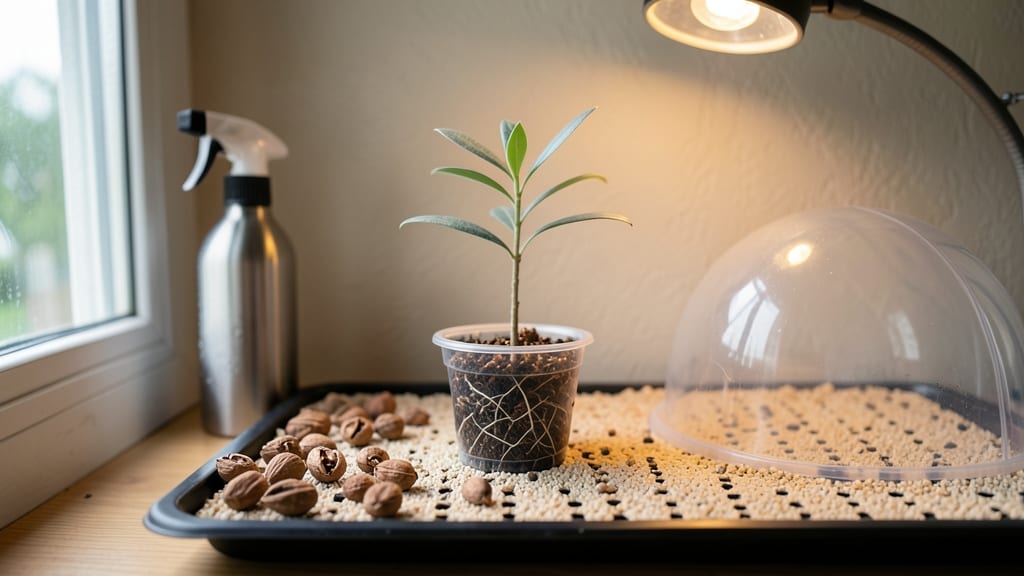
Growing eucalyptus from seed propagation isn’t just possible—it’s shockingly reliable when you crack the cold stratification code. ✨ I’ve struggled with stubborn eucalyptus seeds before, but this method finally gave me 90% germination rates in just 6 weeks, even with collected seeds from my own trees.
The secret lies in mimicking nature’s timing: eucalyptus seeds need a 4-6 week cold period to break dormancy before they’ll sprout. Skip this step, and you’ll be waiting months—or giving up entirely.
We’ll use simple household supplies (no fancy equipment) to create the perfect conditions, from moisture levels to light exposure.
Once those first pale green shoots appear, you’ll be hooked on the process—there’s nothing like watching a eucalyptus seedling stretch toward the light after weeks of patience. The key is keeping them consistently moist but not soggy during that critical germination window.
This works for both wild-collected seeds and purchased varieties, though some heirloom types germinate faster. Let’s get those seeds prepped—they’re ready to grow!
📚 In This Guide
- What you need
- Instructions
- Tips and common mistakes
- Wrapping up and next steps
What you need
- ● Eucalyptus seeds: Fresh, viable seeds (preferably from a trusted source or local nursery). Aim for at least 20-50 seeds to account for germination variability.
- ● Cold stratification setup: Plastic storage bag (resealable, quart-sized or larger)
- ● Moistened paper towels or peat moss (enough to cover seeds in a single layer)
- ○ Optional: A small container (e.g., plastic cup or jar) for stratification if using peat moss.
- ● Growing containers: Seed trays or small pots (3-4 inches in diameter) with drainage holes
- ● Seed-starting mix: Lightweight, well-draining blend (e.g., 50% peat moss + 50% perlite/vermiculite)
- ● Tools: Spray bottle (for gentle watering)
- ● Small hand trowel or spoon (for transplanting)
- ○ Optional: Humidity dome or plastic wrap (to retain moisture during germination).
- ● Refrigerator: A standard fridge (set to 35–40°F (2–4°C)) for cold stratification (typically 4–8 weeks).
- ● Grow lights or sunny windowsill: A south-facing window or LED grow lights (12–16 hours/day) for post-stratification growth.
- ● Patience: Eucalyptus seeds can take 2–6 weeks (or longer!) to germinate—stay consistent!
- ● 🔍 Test seed viability: Soak a few seeds in water overnight—if they sink, they’re likely viable!
- ● 🌡️ Monitor moisture: Keep paper towels/peat moss damp (not soggy) during stratification.
- ● 🌱 Label your seeds: Use toothpicks or tags to track varieties if propagating multiple types.
Step-by-step instructions for propagating eucalyptus seeds
Here's how I ensure reliable germination using cold stratification—tried and true across seasons.
🌱 Step 1: Collect and Prepare Eucalyptus Seeds
Harvest seeds from mature eucalyptus capsules when they begin to open naturally—this usually occurs in late summer or early fall. The seeds inside should be firm and dark brown, not powdery or shriveled. I like to collect them on a dry day when humidity is low, as damp seeds can mold before stratification.
Remove any remaining capsule debris and store the seeds in a cool, dry place for 1-2 weeks to let the outer coating dry slightly. This prevents moisture buildup during stratification. Once dry, place them in a labeled paper bag—plastic traps condensation, which can rot seeds before they even start.
❄️ Step 2: Perform Cold Stratification
Eucalyptus seeds require 6-12 weeks of cold stratification to break dormancy. Fill a sealed plastic bag with dampened peat moss or vermiculite (just moist enough to feel like a wrung-out sponge). Add the seeds and seal the bag, leaving a small opening for airflow.
Place the bag in your refrigerator's crisping drawer (around 35-40°F). Check the moisture every 2-3 weeks—if the mix feels dry, mist lightly with water. The goal is consistent dampness, not sogginess. This cold treatment mimics winter conditions and signals the seed it's time to germinate.
🌱 Step 3: Sow Stratified Seeds
After stratification, sow seeds in 2-3 inch deep containers filled with a well-draining mix of 50% peat moss and 50% perlite. Press each seed ¼ inch deep into the soil—deeper planting delays germination because the seedling must push through more soil. I use a small spoon to create individual planting holes to avoid overcrowding.
Cover the tray with a clear plastic dome or plastic wrap to retain humidity. Place the containers in a warm spot (70-75°F)—a seedling heat mat works wonders here. Germination can take 3-8 weeks, so patience is key. Watch for tiny green shoots pushing through the soil surface as your signal to proceed.
☀️ Step 4: Provide Optimal Growing Conditions
The moment the first true leaves appear (not the initial seed leaves), remove the plastic cover immediately to prevent fungal growth. Move seedlings to a bright, indirect light source—south-facing windows work well, but supplement with a grow light if natural light is insufficient. Leggy seedlings (thin, stretched stems) mean the light is too weak or distant.
Water gently from the bottom by placing the tray in ½ inch of water for 10-15 minutes twice weekly. Never let seedlings sit in standing water—eucalyptus roots rot quickly in soggy conditions. You'll know moisture is right when the soil surface looks slightly damp but not glistening.
🪴 Step 5: Transplant Young Seedlings
Once seedlings develop 3-4 sets of true leaves (usually after 8-12 weeks), it's time to transplant. Choose 4-inch pots filled with a mix of 60% potting soil and 40% perlite for drainage. Gently remove each seedling by grasping the base of the stem and sliding it out—minimize root disturbance to avoid shock.
Plant each seedling at the same depth it was growing before, then water thoroughly to settle the soil. Place the pots in a shaded outdoor area for 1 week to acclimate before moving to full sun. Harden off gradually by increasing sunlight exposure over 5-7 days—this prevents leaf scorch and stem damage.
Tips & tricks for eucalyptus seed germination success
A few strategic adjustments can transform your germination rates from hit-or-miss to consistently reliable. Here's what I've learned after years of trial and error with eucalyptus propagation.
Seed Selection Matters: The quality of your seeds makes all the difference. Look for capsules that are fully mature but just beginning to split open—this indicates seeds are ready for collection. Avoid any capsules that have already released seeds or show signs of insect damage. I've found that seeds harvested from the southern exposure side of trees tend to germinate slightly faster, possibly due to better sun exposure during development. Store collected seeds in paper bags only—plastic creates condensation that can cause mold before stratification even begins.
Stratification Environment: The refrigerator's crisping drawer at 35-40°F is ideal, but not all fridges maintain consistent temperatures. If your refrigerator varies significantly, consider using a dedicated seed stratification chamber or even a DIY setup with a cooler and ice packs. The key is maintaining that steady 35-40°F range throughout the entire 6-12 week process. I've had batches fail when the refrigerator temperature fluctuated above 45°F—seeds need that consistent cold to break dormancy properly.
Moisture Management: The dampened peat moss or vermiculite should feel like a wrung-out sponge—never soggy. I use a spray bottle to check moisture levels: when the mix feels dry to the touch, it's time to mist lightly. Too much moisture creates anaerobic conditions that can lead to mold, while too little prevents the seeds from absorbing water needed for germination. The small opening in your sealed bag is crucial for airflow—this prevents condensation buildup while maintaining humidity.
Germination Timing: While the instructions mention 3-8 weeks for germination, I've noticed that seeds stratified for the full 12 weeks often germinate within 2-3 weeks after sowing. This suggests the cold treatment does more than just break dormancy—it actually primes the seeds for faster germination. If you're impatient, you can check for germination readiness by gently pressing on the seed coat with your fingernail—if it gives slightly, the seed is likely ready to sprout.
Pro Tips for Eucalyptus Seed Propagation
- A few strategic adjustments can transform your germination rates from hit-or-miss to consistently reliable. Here's wh...
- Seed Selection Matters: The quality of your seeds makes all the difference. Look for capsules that are fully mature b...
- Stratification Environment: The refrigerator's crisping drawer at 35-40°F is ideal, but not all fridges maintain cons...
Frequently asked questions
Got questions about propagating eucalyptus from seeds? You’re not alone! Here are answers to the most common concerns to help you succeed.
1. How long does cold stratification take for eucalyptus seeds?
Cold stratification typically requires 6 to 12 weeks in a moist, refrigerated environment (34–41°F). Some varieties may need longer—up to 16 weeks—so monitor progress. Pro tip: Check seeds every 2–3 weeks for sprouting signs (tiny white roots or cracks). If no germination occurs after 16 weeks, consider alternative methods like scarification.
2. Can I use household items for cold stratification instead of a fridge?
Yes! If you lack a fridge, try these DIY alternatives:
- Outdoor method: Bury seeds in a moist, well-draining mix (peat + sand) in a shaded garden spot during winter (Zone 5–7 climates).
- Seedling tray hack: Place sealed containers with damp paper towels and seeds in a garage or basement (consistent temps, ~40°F).
- Snow method (cold climates): Sandwich seeds between damp paper towels, wrap in plastic, and bury in undisturbed snow for 2–3 months.
3. Why aren’t my eucalyptus seeds germinating after stratification?
Common culprits include:
- Improper moisture: Seeds must stay consistently damp (not soggy) during stratification. Use a spray bottle to mist as needed.
- Poor seed viability: Eucalyptus seeds lose potency quickly. Use fresh seeds (≤1 year old) or test viability by floating seeds (viable ones sink).
- Temperature fluctuations: Avoid placing stratified seeds near heat sources (e.g., ovens, radiators). Aim for stable 34–41°F.
- Lack of light post-stratification: Once germinated, seeds need bright, indirect light (12+ hours/day) to thrive.
4. Is there a faster way to germinate eucalyptus seeds without cold stratification?
Yes! While cold stratification is the most reliable method, these alternatives speed up germination (but may reduce success rates):
- Heat treatment: Soak seeds in hot (160°F) water for 5 minutes, then rinse and plant. Best for hard-coated varieties like Eucalyptus globulus.
- Oven scarification: Place seeds between paper towels, bake at 160°F for 10–15 minutes, then cool and plant immediately.
- Sodium hypochlorite soak: Mix 1 part bleach to 9 parts water, soak seeds for 10 minutes, then rinse thoroughly. Use gloves!
5. How do I know when eucalyptus seedlings are ready to transplant?
Transplant when seedlings have:
- 2–4 true leaves (not just cotyledons—the first tiny leaves).
- A sturdy stem (at least pencil-thick).
- Healthy root growth: Gently tug the seedling—roots should fill a 1–2 inch root ball without falling out.
- Use well-draining soil (50% potting mix + 50% perlite/sand).
- Avoid disturbing roots—water thoroughly before and after transplanting.
- Hardening off: Gradually expose seedlings to outdoor conditions (1–2 weeks) before permanent planting.
Wrapping up and next steps
Mastering eucalyptus seed propagation with cold stratification unlocks a world of lush, thriving trees—right from your own seeds! 🌱 By following the steps outlined here, you’ve gained the confidence and know-how to boost germination rates and grow healthy eucalyptus saplings. The key? Patience, precision, and a little chilly preparation.
Ready to take the next step? Start small—plant a few seeds in pots and observe their progress. Once you’ve perfected your technique, expand your eucalyptus garden or even share your expertise with fellow plant enthusiasts. Happy growing! 🌿